
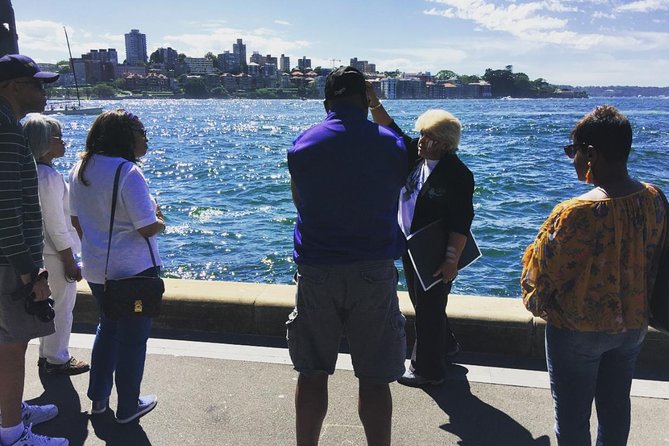
Reviewed · THE ROCKS HISTORY WALKS
illi-Langi The Rocks Aboriginal Dreaming Tour
Few places in Sydney come with this depth.
I love how illi-Langi The Rocks Aboriginal Dreaming Tour turns The Rocks and the harbour into a living classroom, with an Aboriginal guide explaining Dream Time connections right where the stories take place. It’s a small-group walk (up to 25), paced enough that you can actually look up at the city and hear the meaning behind the streets.
My favorite part is the hands-on and place-based approach: an ochre activity to start, then stops like Argyle Cut and Dawes Point that show how “ordinary” landmarks carry cultural memory. One practical thing to consider: this is mostly outdoors and on foot, and you’ll want to bring water, especially on hot Sydney days.
In This Review
- Key highlights to look for on this tour
- Why this illi-Langi The Rocks walkabout feels different
- Price and value: what $33 buys you in the real world
- Getting to Cadmans Cottage: meeting point and what to bring
- Stop 1: Cadmans Cottage and the ochre activity
- Stop 2: Argyle Cut and the Earth Mother ochre on the wall
- Stop 3: Dawes Point under the Harbour Bridge
- Stop 4: Hickson Road Reserve and rock art as an old gallery
- Stop 5: Sydney Harbour at Campbells Cove, Opera House to Circular Quay
- Stop 6: Illi-Langi and The Rocks precinct at walking pace
- What to expect from your Aboriginal guide (and how to get the most)
- Quality and reliability: the one drawback you should plan for
- Who this tour is best for (and who should think twice)
- Should you book illi-Langi The Rocks Aboriginal Dreaming Tour?
- FAQ
- Where is the tour meeting point?
- How long is the illi-Langi The Rocks Aboriginal Dreaming Tour?
- What’s the group size?
- What should I bring?
- Is it an outdoor walking tour?
- Is the tour suitable for children?
Key highlights to look for on this tour
- Aboriginal guide commentary focused on place, not just facts
- Dream Time stories told in the spaces where they belong
- Ocher-focused start with a seasonal nature component
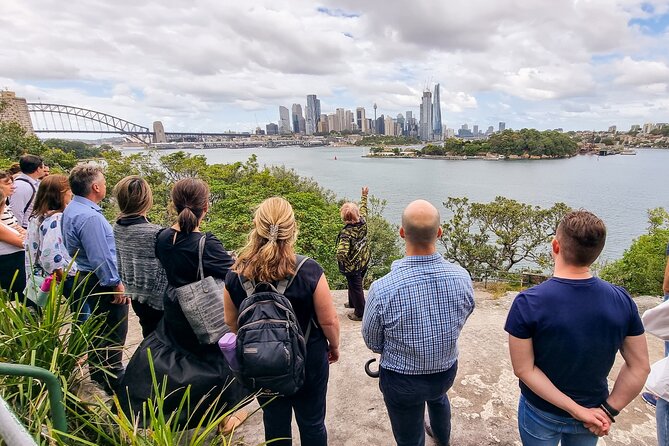
- Harbour Bridge views paired with Indigenous site names and meaning
- Multiple outdoor stops around illi-Langi and The Rocks
Why this illi-Langi The Rocks walkabout feels different
This tour is the kind that helps you read a city like it has layers. Sydney’s skyline is the obvious draw, sure, but the point here is learning how the Aboriginal people of this area understand Country through story, spirituality, and everyday use of the land and water.
The format matters. You’re not sitting in a room. You’re walking from Cadmans Cottage through the The Rocks precinct and down toward the harbour, with short stops that build a bigger picture. It’s also small enough to ask questions without the group feeling like a moving crowd.
And for value, $33 for about 90 minutes is easy to justify if you care about context. You’re paying for a guide who can connect what you see outside your window to a much older timeline than the usual visitor storyline.
More laneways and convict corners in The Rocks
- Sydney The Rocks Guided Walking Tour
★ 5.0 · 1,546 reviews - Sydney: The Rocks 90-Minute History Walking Tour
★ 4.7 · 1,092 reviews - The Rocks Ghost Tours with Guide in Sydney
★ 4.5 · 482 reviews - Convicts and The Rocks: Sydney’s Walking Tour Led by Historian
★ 5.0 · 304 reviews
Price and value: what $33 buys you in the real world
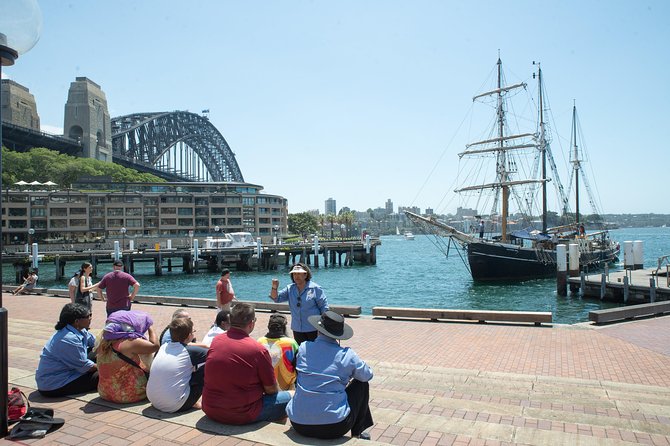
At $33, the math is pretty clear: this is a short walking tour with guide-led commentary, no heavy add-ons, and no long wait. The itinerary is made of outdoor sites that don’t require you to pay for separate attractions, so you’re mostly buying time with an Aboriginal guide and a way to interpret the place.
You also get a tour structure that keeps your attention moving. The stops are brief—think 5 to 15 minutes at key points—so the tour doesn’t rely on one big lecture. If you like practical sightseeing that also teaches you something, this style fits.
Getting to Cadmans Cottage: meeting point and what to bring
You meet at Cadmans Cottage, 110 George St, The Rocks, and you finish back at the same place. That setup is convenient because you’re near public transportation and central sights, so you can tack this onto the start or end of a day in the city.
Bring water, especially on warmer days. The tour is outdoors and you’re walking between stops. There’s also a strong chance you’ll be standing and looking around as stories connect to what you see in front of you.
One more practical note: you’ll want comfortable shoes. The Rocks has uneven areas in places, and the tour moves steadily through viewpoints and reserves. If you’re sensitive to longer walking stretches, plan to take it slow and mention any limits at the start.
Stop 1: Cadmans Cottage and the ochre activity
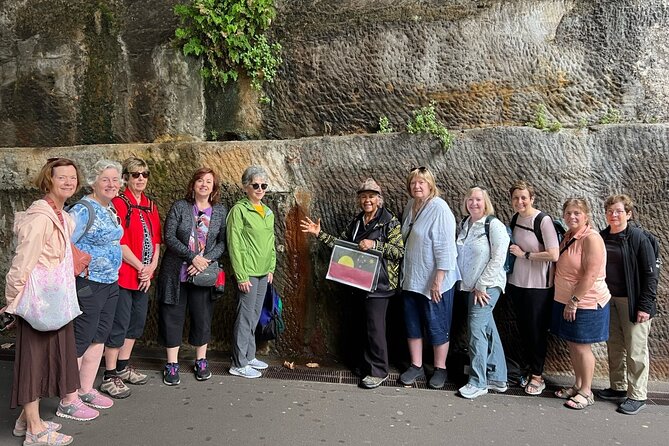
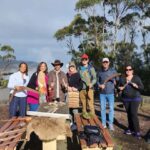
The tour begins with an introduction and acknowledgement, then an ochre activity at the start. After that, you move into Bligh Barney Reserve, right beside the cottage, and the focus shifts to natural resources—seasonal native flora and fauna—through an Aboriginal lens.
Why this first stop works: it sets the tone. Instead of starting with a history lesson about arrival dates, you start with how people read Country—plants, materials, and what the environment offers through the seasons. It’s a smart opener because it gives you a framework before the tour points at specific sites.
You’ll also learn that this knowledge isn’t only about the past. The guide connects it to modern day life in Sydney, which helps you understand why place names and materials still matter.
Stop 2: Argyle Cut and the Earth Mother ochre on the wall

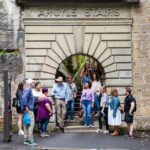
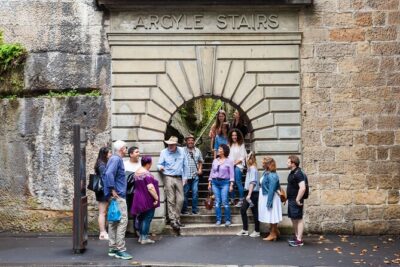
Next comes Argyle Cut, a spot that’s famous for its ochre presence. Here, the tour focuses on Earth Mother’s ochre—described as existing in large clay pods in the wall of the cut.
This is one of those moments where the story turns physical. When you see a site like Argyle Cut and then learn how materials like ochre fit into cultural practice, the Rocks stops feeling like “cool old stone” and starts feeling like a working archive.
The stop is short (about 5 minutes), so if you’re the type who likes to ask follow-up questions, hang near the group center so you can hear without rushing. The guide’s job is to keep the momentum, and Argyle Cut is part of the building blocks.
More stories of Country told by First Nations guides
Stop 3: Dawes Point under the Harbour Bridge

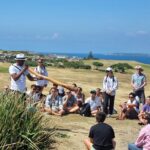
At Dawes Point Park, you’re under the Harbour Bridge with harbour views, and the guide explains the Aboriginal name and importance of this significant site.
This stop is valuable for two reasons. First, you get a strong visual anchor—views of the harbour make it easier to imagine how people lived with the water. Second, you learn that naming is not trivia. Indigenous place names carry meaning, and the tour frames the site as part of a bigger spiritual and practical system.
If you come expecting only skyline photos, this moment gives you a different kind of photo opportunity: one where you can point to the area and understand why it’s significant.
Stop 4: Hickson Road Reserve and rock art as an old gallery
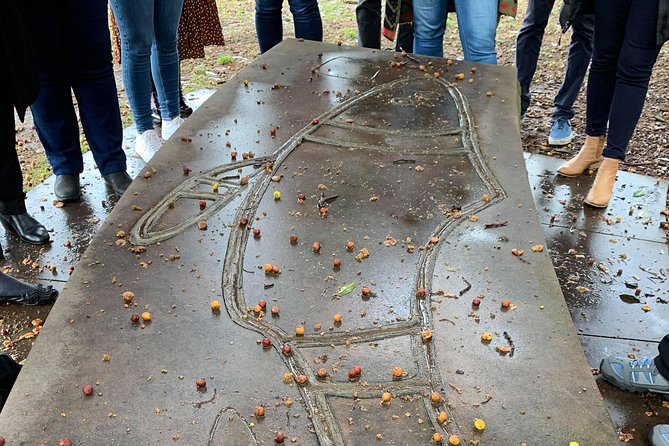
Then you move to Hickson Road Reserve to see an example of recent rock art and learn about traditional art galleries of the Sydney region that are thousands of years old.
For me, this is where the tour earns its keep as a learning experience. Rock art is often treated like an object behind glass or a distant museum artifact. Here, it’s presented as part of a living relationship with place—something connected to how people gathered information and expressed identity over long timeframes.
The stop is brief (around 5 minutes), so treat it like a first look. If you want more detail after the walk, you’ll be glad you saw where to focus your curiosity.
Stop 5: Sydney Harbour at Campbells Cove, Opera House to Circular Quay
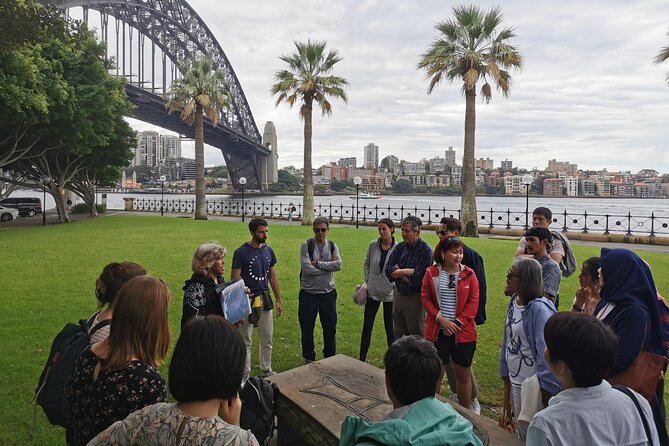
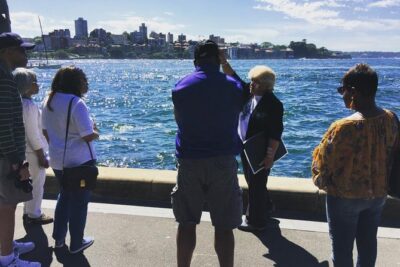
The tour then shifts to Sydney Harbour, with a stop at Campbells Cove for harbour views. The guide focuses on the Aboriginal saltwater lifestyle and the spiritual importance of sites like Opera House/Bennelong Point and Circular Quay/… (the tour keeps going along the harbour area).
This is one of the most “Sydney” parts of the itinerary, because you’re surrounded by modern landmarks. The value is that you’re learning how Indigenous connections run through the same geography—water access, spiritual sites, and the meaning people place on particular stretches of shoreline.
A tip for this section: don’t rush your eyes. Look for the way the guide ties the spiritual meaning to what you can actually see from your position. When stories connect directly to the view in front of you, the tour feels less like a checklist and more like understanding.
Stop 6: Illi-Langi and The Rocks precinct at walking pace
Finally, you spend the longer portion in The Rocks precinct—about 1 hour 30 minutes in the tour flow—continuing the walkabout theme across illi-Langi, The Rocks, and the surrounding areas.
This is where the tour becomes a “walk with context.” Instead of just naming places, the guide helps you understand the relationship between land, resources, and community responsibilities. That’s also where you’re more likely to feel the personality of your guide, and the feedback I’ve seen places a lot of weight on that: guides such as Emily, Amanda, Nathan, and Donia show up repeatedly in positive notes, often for clear explanations and a respectful tone.
Some of the most praised experiences also mention warmth, humor, and the sense that you’re being cared for while learning. One review even references sharing knowledge connected to an elder named Auntie Margret Campbell, which gives you an idea of how lineage and respect show up in the storytelling.
What to expect from your Aboriginal guide (and how to get the most)
The tour includes Aboriginal guide commentary, and the best guides make the walk feel like a conversation. When the delivery clicks, you’ll get myth-busting moments, practical examples of how people used plants and resources, and an explanation of cultural concepts like walking paths and the meaning behind walkabout.
To help you get more from the tour, come with one mindset: you’re learning a different way of seeing. Ask one simple question if something clicks. For example, if the guide points out how a plant is used, ask what part of the process matters most. If they mention a place name, ask what that name is trying to teach you.
Also, don’t be shy about pace. This tour is a group walk, so you’ll want to move with the group. But if you have limited mobility, it’s smart to tell the guide early so they can adjust where you pause and how you follow.
Quality and reliability: the one drawback you should plan for
There’s a clear pattern in the rating: many people love it, but a small number of experiences had serious problems like a no-show or a missed connection/cancellation mismatch between messages and what appears in apps. That’s not something you can control, but you can protect yourself with a couple of actions.
The best approach: keep your confirmation details handy on your phone, arrive a little early at Cadmans Cottage, and if something seems off, contact the provider quickly rather than waiting around.
If you’re traveling with tight plans, build in a buffer day. This tour is short, so you can usually rearrange, but you don’t want it to be your only shot at a guided cultural experience in Sydney.
Who this tour is best for (and who should think twice)
This is a strong fit if you:
- Want a compact way to learn Indigenous connection to The Rocks and the harbour
- Prefer walking tours with short stops over a long bus ride
- Enjoy practical cultural context, like how natural resources and place names connect to life
You might think twice if you:
- Need lots of seated time or a fully indoor experience (this is primarily an outdoor walk)
- Are expecting a huge entertainment-style production rather than a respectful place-based talk
- Are highly sensitive to delays and meeting-point confusion, since a few reports show that can happen
Should you book illi-Langi The Rocks Aboriginal Dreaming Tour?
Yes, I’d book it if your goal is to understand Sydney beyond postcard views. For $33, you get a small-group walk with an Aboriginal guide, multiple meaningful stops (including Argyle Cut and harbour sites), and stories tied to place rather than just dates.
Book it especially if you like learning through walking—when you can stand where the story points and then look around with new eyes. And do yourself a favor: bring water, wear good shoes, and arrive early at Cadmans Cottage.
If your schedule is tight, give yourself a buffer and confirm your plan the day before. When it runs smoothly, this tour is the kind that makes the city feel bigger, older, and more human.
FAQ
Where is the tour meeting point?
You start at Cadmans Cottage, 110 George St, The Rocks NSW 2000, and the tour ends back at the same meeting point.
How long is the illi-Langi The Rocks Aboriginal Dreaming Tour?
It’s approximately 1 hour 30 minutes.
What’s the group size?
The tour has a maximum of 25 travelers.
What should I bring?
Bring water, especially on hot days. Bottled water is not included.
Is it an outdoor walking tour?
Yes, it’s a walkabout around The Rocks and nearby areas, with stops at several outdoor sites.
Is the tour suitable for children?
Children 2 years and under are free of charge. The tour notes that most travelers can participate.
More Tour Reviews in Sydney
- Blue Mountains Small-Group Tour from Sydney with Scenic World,Sydney Zoo & Ferry
★ 5.0 · 3,709 reviews




Country, Told First-Hand
Convict Corners of The Rocks


Fresh off the jetty: more Sydney reviews

The Rocks History Walks, compared.
 ★ 5.0Sydney The Rocks Guided Walking TourFrom $321,546 reviews
 ★ 4.7The Rocks 90-Minute History Walking TourFrom $321,092 reviews
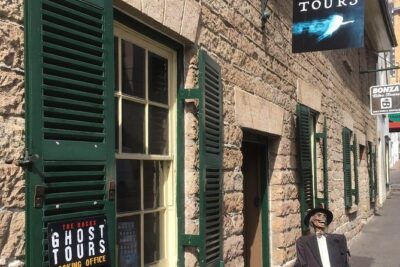 ★ 4.5The Rocks Ghost Tours with Guide in SydneyFrom $39482 reviews
 ★ 5.0The Rocks Pub Walking TourFrom $82447 reviews
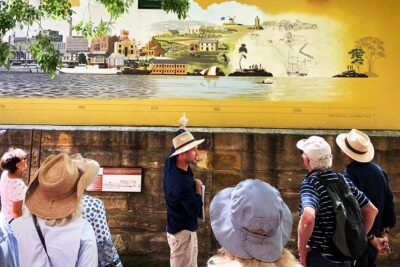 ★ 5.0Convicts and The Rocks: Sydney’s Walking Tour Led by HistorianFrom $37304 reviews
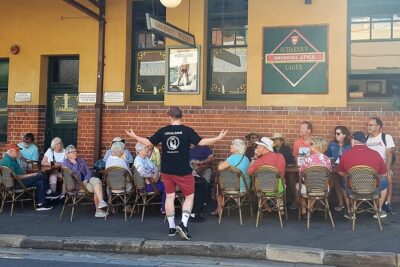 ★ 5.0Sydney The Rocks Historical Pub TourFrom $82251 reviews
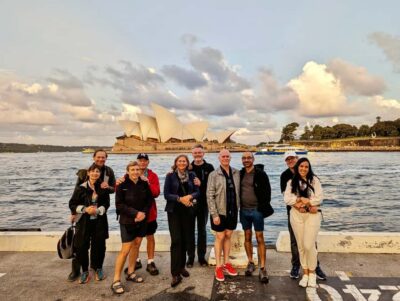 ★ 4.9City & The Rocks 3.5-Hour Walking Tour with a DrinkFrom $53234 reviews
 ★ 4.9Sydney Convicts, History & The Rocks 2.5-Hour Walking TourFrom $36181 reviews
Browse the lists this tour appears in