
Reviewed · ABORIGINAL CULTURE & HERITAGE
Sydney: Aboriginal Art Exhibition Ticket, Art Gallery of NSW
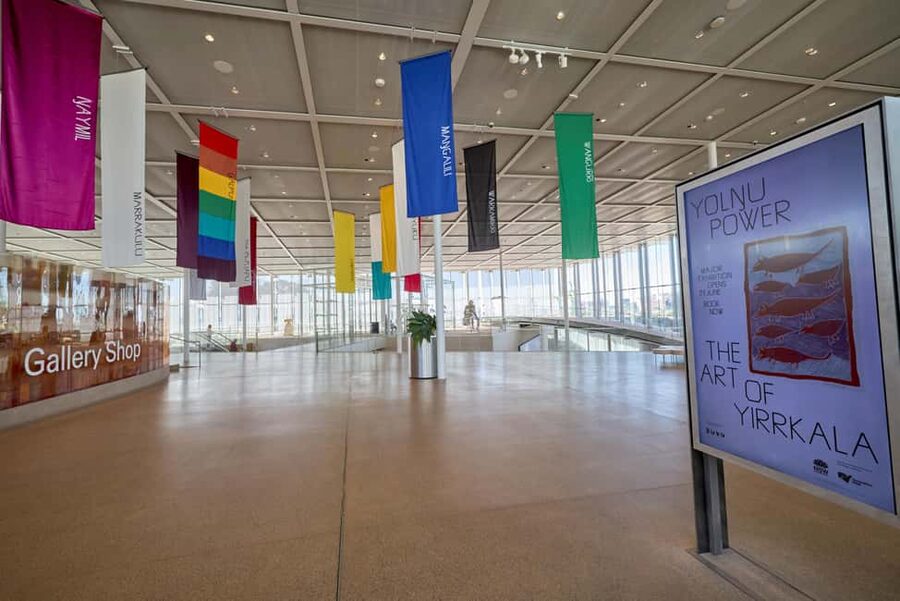
Yolŋu Power turns an art ticket into a lesson you can feel. The exhibition, Yolŋu power: the art of Yirrkala, brings works from one of Australia’s most influential Indigenous art communities to Sydney’s Art Gallery of NSW, with context rooted in Yirrkala and Arnhem Land. I especially like how the show links art to country—earth, sea, and sky—so it feels more like cultural meaning than decoration.
What I like second is the range: it spans the 1940s to today, showing how artists kept their stories while changing materials and styles. One thing to consider: this is self-paced entry, so if you want a lot of guided explanation, you’ll need to rely on what’s available onsite or pair it with a related tour option rather than expecting a full guided program with the ticket alone.
In This Review
- Key things to know before you go
- Yolŋu Power ticket basics at the Art Gallery of NSW
- How long you’ll need (and how to use that time well)
- From the 1940s to today: reading the exhibition like a story
- Country, earth, sea, and sky: why the meaning feels bigger than the frames
- New materials and changing style: tradition that keeps moving
- Family and cultural connection: the real engine behind the artwork
- Partnership with Buku-Larrŋgay Mulka Centre: why the context feels grounded
- Timing and pairing with the Australian Art Stories Tour
- Practicalities: what’s included, what’s not, and how to plan
- Who should book this exhibition (and who might want a different plan)
- Should you book Yolŋu Power at the Art Gallery of NSW?
- FAQ
- Where is the Yolŋu Power exhibition located inside the Art Gallery of NSW?
- How long should I allow for the exhibition visit?
- Does the ticket include a guided tour?
- What language is support available in?
- Is the exhibition wheelchair accessible?
- What is the cancellation policy?
Key things to know before you go
- Sydney-exclusive exhibition at the Art Gallery of NSW, tied directly to Yolŋu art traditions from Yirrkala in the NT
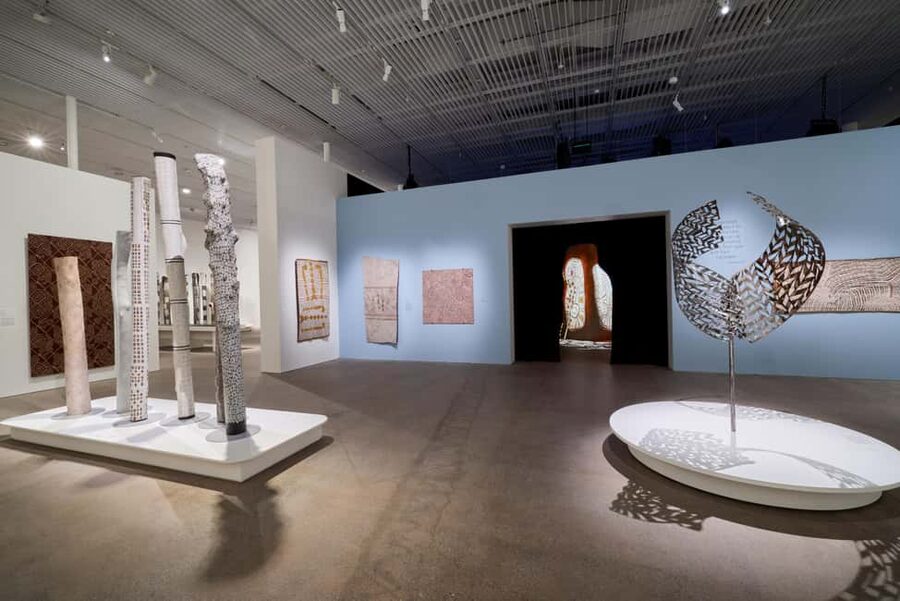
- Nearly 100 years of work, spanning from the 1940s through contemporary pieces
- Cultural diplomacy in the art, with themes of sovereignty, strength, and identity
- Story is built through family and culture, not just individual inspiration
- Adaptation matters: you’ll see changes in style and the use of new materials over time
- Plan 1–2 hours, and you’ll have time to slow down instead of rushing the meaning
Yolŋu Power ticket basics at the Art Gallery of NSW
This is a straightforward ticket experience that lets you focus on the exhibition at your own pace. You’re going to Naala Badu (north building) at the Art Gallery of NSW, then heading to the Lower Level Two entrance for the display. When you arrive, show your ticket so the barcode gets scanned at the exhibition entry point.
The ticket is priced at $17 per person, and that’s a big part of the value. You’re not just paying for access to artworks—you’re paying for a focused slice of Yolŋu art across decades, presented in a major Sydney museum setting. For about the price of a mid-range coffee-and-cake detour, you get a multi-generational story of how Indigenous art carries power.
You can go morning, afternoon, evening, or night. That flexibility is genuinely useful in a city like Sydney where your day can swing earlier or later. I like having control: you’re not stuck with one rigid slot, and you can match it to your energy level.
More stories of Country told by First Nations guides
- Blue Mountains Tour from Sydney with an Aboriginal Experience
★ 5.0 · 104 reviews - illi-Langi The Rocks Aboriginal Dreaming Tour
★ 4.5 · 90 reviews - Blue Mountains: Aboriginal Experience Day Tour from Sydney
★ 5.0 · 15 reviews - Cowan Creek Lunch paddle with Aboriginal rock art
★ 4.5 · 4 reviews
How long you’ll need (and how to use that time well)
You should allow 1–2 hours for a meaningful visit. That range is honest. If you treat it like a quick look, you’ll miss the connections that give the works their weight. If you take your time, you’ll start noticing repeated ideas—especially around identity, land, and the way family knowledge shapes what artists do.
Here’s the practical way to use your time without overthinking it. First, spend a few minutes getting oriented inside the exhibition space. Then pick two or three works that really stop you, and stay with them long enough to follow the story they’re telling. After that, move on and keep collecting moments like you’re building a personal map of the exhibition.
If you’re the type who likes closure, give yourself a final pass at the end. You’ll often understand earlier pieces better once you’ve seen what came later in the show’s timeline.
From the 1940s to today: reading the exhibition like a story
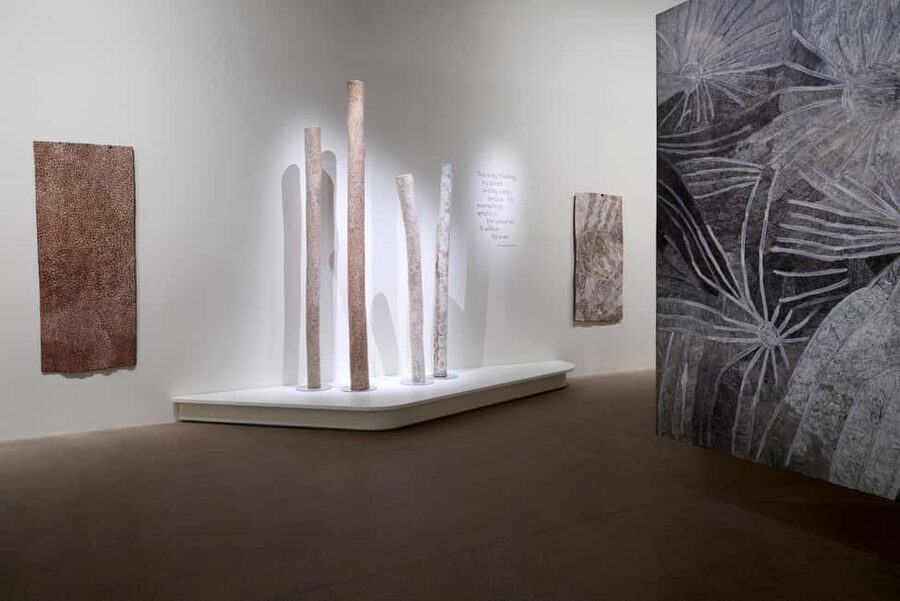
This exhibition is built around time. You’ll explore powerful works created by generations of Yolŋu artists, covering the shift from the 1940s to today. That matters, because it changes the way you look at the art. You’re not just admiring individual pieces—you’re tracking continuity and change.
A helpful mindset: think of the artworks as conversations across generations. Earlier works can help you understand what stories needed to be carried forward. Later works show you how the same cultural foundations continue to speak in new ways.
The exhibition also connects art to themes you can translate into everyday language: sovereignty, strength, and identity. Those words sound big, but the works make them concrete. You start to see how identity isn’t abstract. It’s tied to who you are within a network of family and culture, and how that network relates to land and knowledge.
Country, earth, sea, and sky: why the meaning feels bigger than the frames
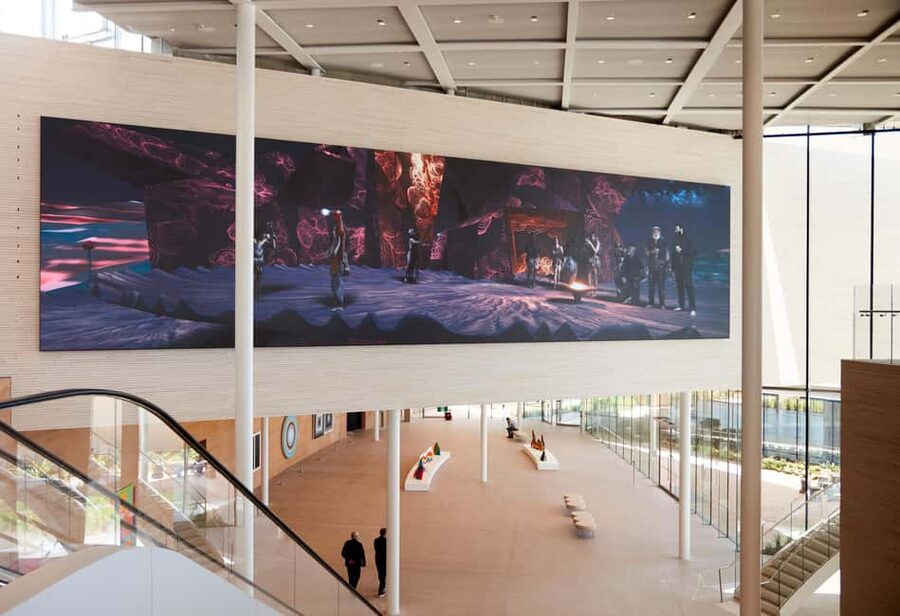
One of the highest-praise elements of this exhibition is how it makes the meaning of country feel whole. The works don’t treat land as scenery. They treat land as a living framework for knowledge, connection, and responsibility.
In the best moments, you’ll feel how the exhibition links country with earth, sea, and sky. That can click fast if you let yourself slow down and read beyond the visual first impression. Instead of asking, What style is this? try asking, What does this connect me to?
This is also why the show lands for people who care about Australian history and contemporary Indigenous culture. You’re seeing how art functions as communication—across time, across communities, and into the wider world. It’s not only history you’re viewing. It’s ongoing expression.
New materials and changing style: tradition that keeps moving
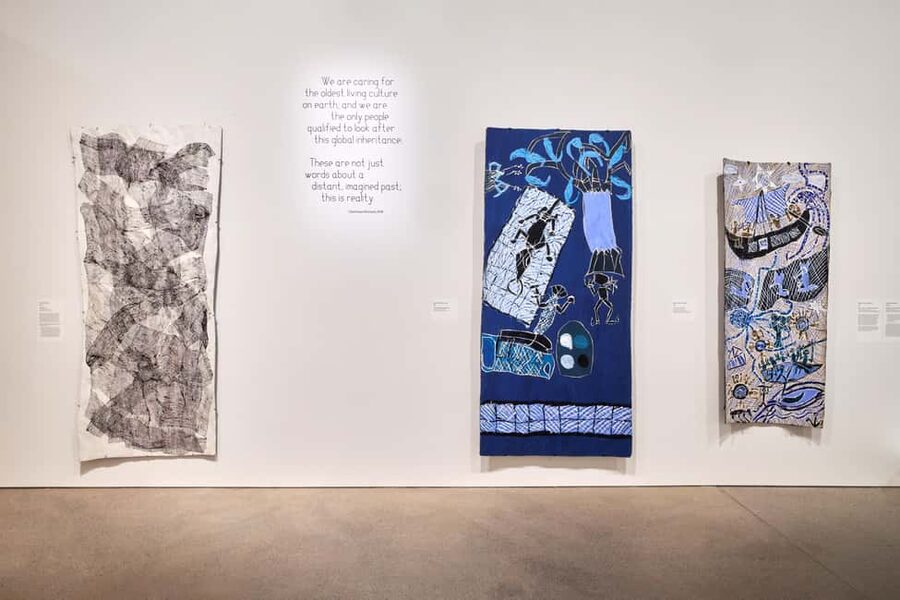
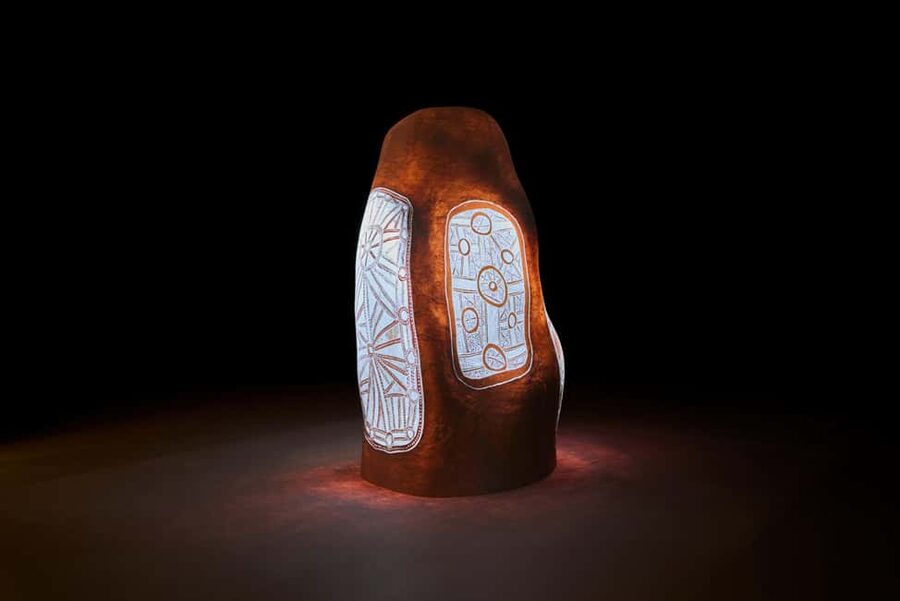
Another key idea is adaptation. The exhibition shows how Yolŋu artists adapted their styles and embraced new materials to share stories. That’s a crucial detail, because it challenges the common museum habit of freezing Indigenous art in a single time period.
Here, change doesn’t equal loss. Change equals transmission. Artists can bring new tools and approaches while keeping the same deep structures of story, meaning, and connection.
When you’re inside, look for what stays consistent even as the visual language shifts. You might spot recurring patterns or compositional logic. You might also notice how certain themes keep returning. That repetition is part of why the exhibition feels coherent rather than like a random stack of masterpieces.
Worth lining up next to this Sydney pick:




Family and cultural connection: the real engine behind the artwork
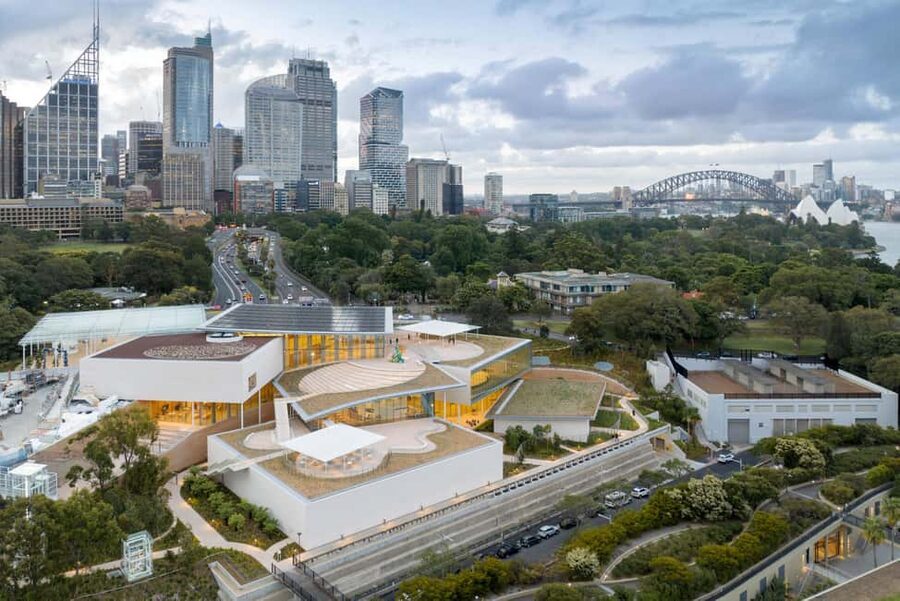
You’ll learn that deep family and cultural connections shape this vibrant art movement. That’s not a side note. It’s the operating system.
Many art exhibitions can make you feel like each artist is working alone. This one doesn’t. It emphasizes how art is tied to knowledge held within family relationships and cultural responsibilities. The works become less like isolated creations and more like expressions within a living system.
If that idea resonates with you, give yourself extra time. You’ll likely feel the exhibition reward patience, because the meaning doesn’t always announce itself in the first glance. The more you let the context sink in, the more the works start to read as communication rather than just visual form.
Partnership with Buku-Larrŋgay Mulka Centre: why the context feels grounded
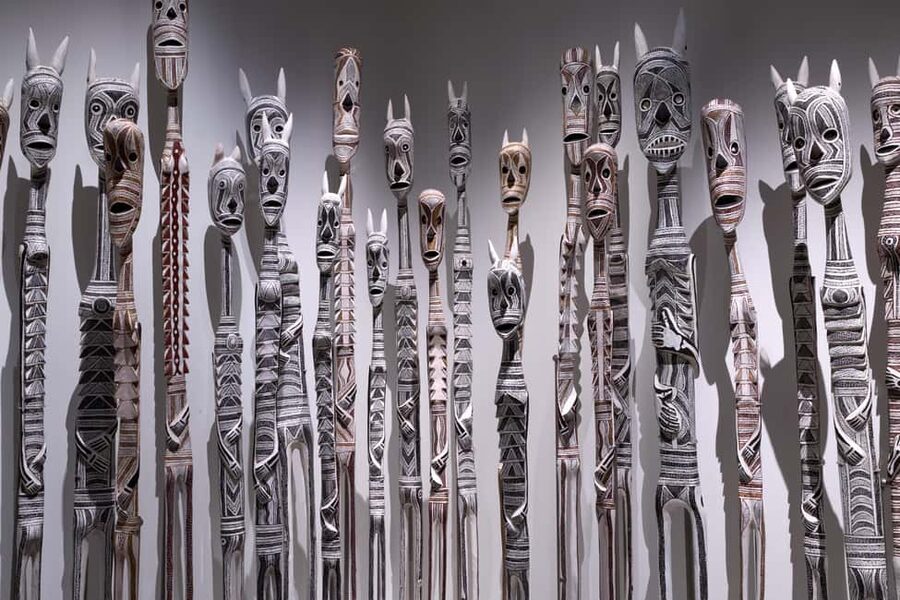
The exhibition is presented in partnership with the Buku-Larrŋgay Mulka Centre in Yirrkala, north-east Arnhem Land. That partnership matters because it anchors the show in the community relationships that generate and interpret the art.
In practice, it means the exhibition frames the works not only as objects but as cultural expression and cultural diplomacy. Cultural diplomacy is a fancy phrase, but in this context it becomes plain. These works travel and speak outward. They carry meaning across borders while still being rooted in Yolŋu connection to country.
You’ll also see the global impact of Yirrkala’s artists. The show helps you understand why these artworks are now recognized worldwide: they’re strong visually, yes, but they’re also powerful because they communicate sovereignty, strength, and identity through story.
Timing and pairing with the Australian Art Stories Tour
The ticket is valid across the day—morning, afternoon, evening, or night—so you can match your visit to the rest of your Sydney plan. If you’re doing other museum stops, I’d aim for a time when you won’t feel rushed. You’re trying to absorb meaning, not just collect photos.
Also, this ticket can be bundled with an Australian Art Stories Tour at the Art Gallery of NSW. If you like your art explained with context, pairing is a smart move. Even when you can read the art on your own, a guided frame can help you focus on what to notice first.
One of the standout bits from an English-speaking guide named Catherine highlights what you get when someone walks you through cultural background. It’s the difference between seeing the artwork and understanding what it’s doing.
Practicalities: what’s included, what’s not, and how to plan
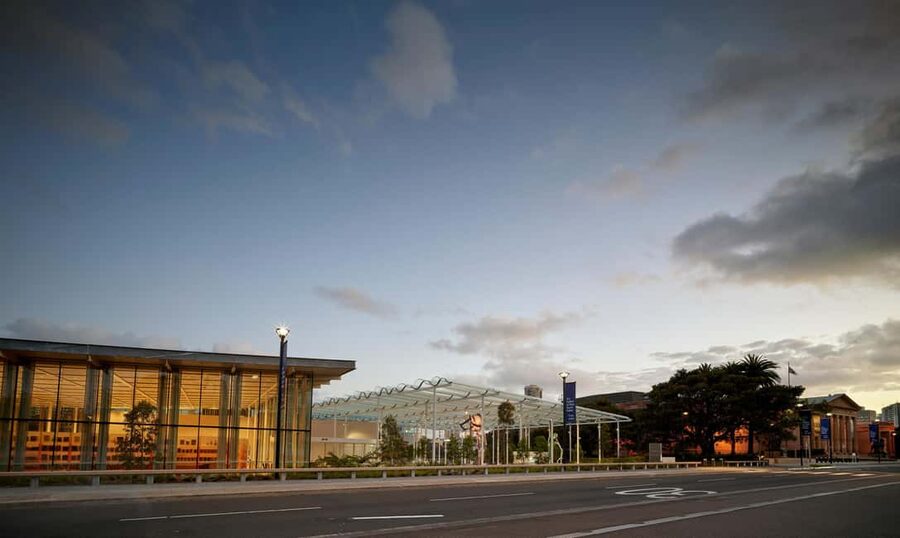
Included is simple: entry ticket to Yolŋu power: the art of Yirrkala at the Art Gallery of NSW. Not included: a guided tour of the exhibition, food and beverages, and purchases from the gallery store.
So plan like this: treat it as an exhibition visit first, then handle the rest of your day separately. If you need caffeine or lunch, you’ll have to sort that on your own at the museum or nearby. And if you want a souvenir, budget a little extra for the store—your ticket won’t cover that.
Good to know for comfort: the experience is wheelchair accessible. It’s also hosted/greeter English-speaking, so you can expect support in English if you need help finding the entrance or understanding what to do at entry.
And if your schedule shifts, you can cancel up to 24 hours in advance for a full refund. That gives you some breathing room in a city trip where plans change.
Who should book this exhibition (and who might want a different plan)
This is a great fit if you:
- care about Indigenous culture and contemporary Australian art
- want historical depth through works spanning decades
- enjoy exhibitions where meaning connects to land, identity, and community
It may be a little less ideal if you:
- strongly prefer a fully guided, step-by-step tour experience included in the ticket
- plan to rush through museums and treat art as purely background
If you’re somewhere in the middle—curious but not sure how much context you’ll want—then the bundle with an Australian Art Stories Tour is often the best compromise. You still get your own pacing, but you add a guiding layer so the meaning lands faster.
Should you book Yolŋu Power at the Art Gallery of NSW?
Yes, I’d book it if you’re in Sydney and you like your museum time to matter. For $17, you’re getting a focused exhibition that traces nearly 100 years of Yolŋu art, explains themes tied to sovereignty and identity, and shows adaptation over time through new materials and changing style.
The biggest reason to go is also the most practical: the exhibition is paced for reflection. With 1–2 hours, you can actually absorb what you’re seeing instead of sprinting through a checklist. Add the Australian Art Stories Tour if you want extra help reading the works, especially if you enjoy the way a guide like Catherine can add clarity.
If you want art that feels like it has something to say—beyond what’s on the label—this one is worth your time.
FAQ
Where is the Yolŋu Power exhibition located inside the Art Gallery of NSW?
It’s open in the Naala Badu building, north building, at the Art Gallery of New South Wales. Enter the building and go to the Lower Level Two entrance of the exhibition.
How long should I allow for the exhibition visit?
Plan on 1–2 hours for a meaningful visit.
Does the ticket include a guided tour?
No. The ticket includes entry to the exhibition, but it does not include a guided tour.
What language is support available in?
The host or greeter is English.
Is the exhibition wheelchair accessible?
Yes, it is wheelchair accessible.
What is the cancellation policy?
You can cancel up to 24 hours in advance for a full refund.
More Tickets in Sydney



More Tour Reviews in Sydney
- Blue Mountains Small-Group Tour from Sydney with Scenic World,Sydney Zoo & Ferry
★ 5.0 · 3,709 reviews

Country, Told First-Hand


Fresh off the jetty: more Sydney reviews

Aboriginal Culture & Heritage, compared.
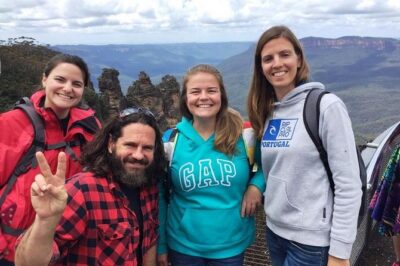 ★ 5.0Blue Mountains Tour from Sydney with an Aboriginal ExperienceFrom $297104 reviews
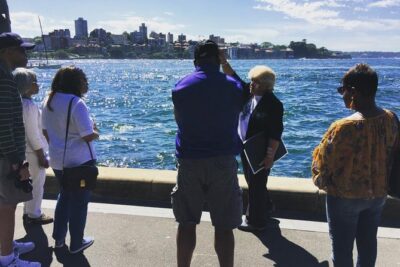 ★ 4.5illi-Langi The Rocks Aboriginal Dreaming TourFrom $3390 reviews
 ★ 5.0Blue Mountains: Aboriginal Experience Day Tour from SydneyFrom $29315 reviews
 ★ 4.5Cowan Creek Lunch paddle with Aboriginal rock artFrom $1394 reviews
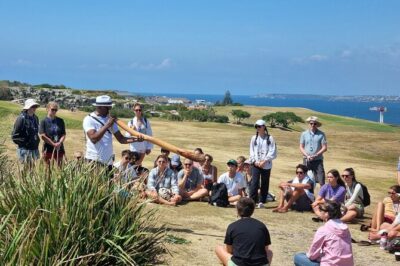 ★ 5.0Private Walangari’s Aboriginal Walking Tour in Bondi BeachFrom $7103 reviews
Browse the lists this tour appears in