
Reviewed · PHOTOGRAPHY SESSIONS
Photography Essentials Workshop in Sydney Harbour Foreshore
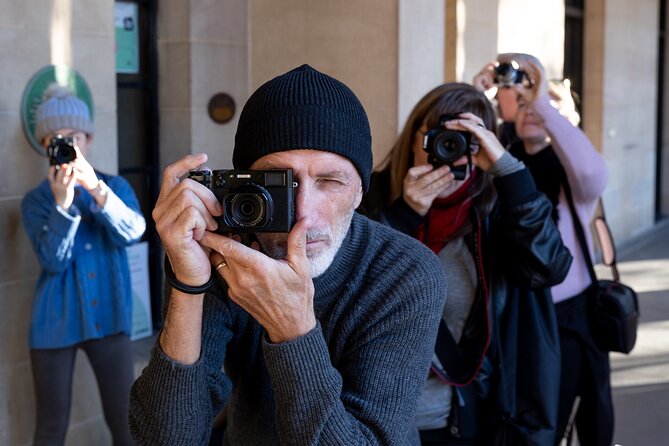
Sydney’s foreshore teaches your camera fast. In a 4-hour walk with an award-winning Sydney-based photojournalist, you learn how to shape light and composition from the Opera House area to The Rocks.
I love that the instruction starts with your actual camera kit (camera, lenses, and key accessories) and then moves through all your shooting modes. You finish with a solid push into manual control, which is exactly what you want if you’re tired of half-good results.
One catch: it’s not suitable for compact cameras without full manual capability. If your camera can’t switch into full manual settings, you’ll likely feel stuck instead of progressing.
In This Review
- Key things I’d watch for before you go
- A Harbour Foreshore workshop that turns theory into pictures
- The core lesson: camera modes to manual control, in plain language
- Composition and pre-visualising (so you stop shooting by luck)
- Four Stops, Four Kinds of Challenges on Sydney’s waterfront
- Stop 1: Sydney Opera House
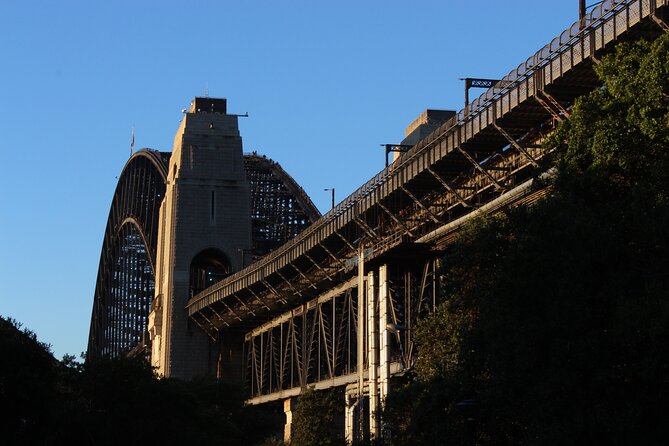
- Stop 2: Sydney Harbour Bridge
- Stop 3: Circular Quay
- Stop 4: The Rocks
- Lighting: the skill most people skip until it hurts
- Teaching style: clear instruction and real-world feedback
- Price and value: $107.59 for a short, focused upgrade
- Who should book this workshop (and who should skip it)
- Practical tips so you get better fast
- Should you book this Sydney Harbour Foreshore Photography Essentials Workshop?
- FAQ
- What is the duration of the Photography Essentials Workshop?
- Where is the meeting point, and when does the workshop start?
- Where does the workshop end?
- What types of cameras is this workshop suitable for?
- Is it suitable for compact cameras?
- How many people are in a group?
- Does the workshop depend on weather?
- Are service animals allowed?
- What’s the cancellation window for a full refund?
Key things I’d watch for before you go
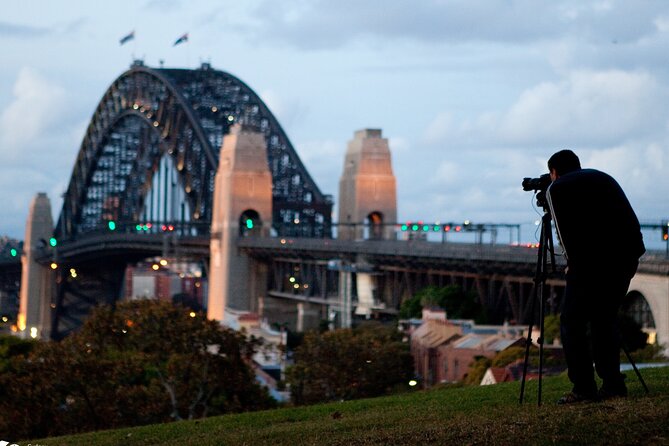
- Small group size (max 10): more chance to get specific feedback on your settings.
- ALL camera modes, not just the basics: you learn when to use each mode, then how to override it.
- Manual mode for creative control: you practice the mechanics so you can actually plan shots.
- On-location practice around iconic Harbour spots: Opera House, Harbour Bridge, Circular Quay, and The Rocks.
- Composition plus lighting training: you’re taught to pre-visualise and adjust for changing conditions.
- Not for simple compacts: it’s built for any camera with full manual capability (SLR and mirrorless are a good fit).
A Harbour Foreshore workshop that turns theory into pictures
Sydney Harbour is one of the easiest places in the world to get inspired and one of the hardest places to get consistent results. You’ve got bright sky, reflective water, mixed light, and scenes packed with strong shapes. This workshop tackles that problem in a practical way: you’re learning while you’re walking, stopping, shooting, and refining.
The format is a half-day, about 4 hours (starting at 12:00 pm), and it stays focused on the essentials. No fluff lectures. No waiting around for perfect conditions that might never arrive. The plan is built around getting you to understand what makes a photograph work, then giving you the tools to recreate that look again later.
Worth lining up next to this Sydney pick:
- Sydney: Private Photoshoot outside the Opera House
★ 4.6 · 40 reviews - Sydney Photography Course in the Historic Rocks Area
★ 5.0 · 35 reviews - Photoshoot in stunning locations! (sydney)
★ 5.0 · 26 reviews - Private photo tour at Sydney’s most iconic locations
★ 4.9 · 12 reviews
The core lesson: camera modes to manual control, in plain language
The best part of this kind of course is that it doesn’t treat your camera like a black box. It starts at the beginning: what your camera and lenses are actually doing, and why settings matter. Then it progresses step by step into the “why” behind exposure and composition.
You’ll learn how shooting modes are used in real life. That means you don’t just memorize what P, A/Av, S/Tv, or M are called. You learn when each mode helps you, and when you need to take control. After that comes manual mode, where you get the kind of control that makes your photography feel like it’s yours.
The practical win is this: once you can control exposure and focus decisions intentionally, Sydney’s scenery stops being random “cool views” and becomes a repeatable photo system. That’s also why this workshop is pitched as a great start for beginners and for people who want a re-introduction and a clearer handle on fundamentals.
Composition and pre-visualising (so you stop shooting by luck)
It’s not only technical. You’re also building a creative eye. The course includes simple compositional techniques and an approach to pre-visualise a photograph before you press the shutter.
That pre-visualising piece matters more than most people think. A lot of visitors aim first, shoot second, and then hope the result is good. With this method, you’re training your brain to decide what the frame should do—where the viewer’s eye should go, what should be sharp, what should be simplified—then you adjust your settings to match your vision.
Four Stops, Four Kinds of Challenges on Sydney’s waterfront
This workshop is designed around learning in layers. Each Harbour location gives you different “problems” to solve, which is exactly how you level up faster.
You start with a meeting at Customs House, 31 Alfred St, Sydney NSW 2000, and the experience runs until it loops back to the same meeting point.
Stop 1: Sydney Opera House
The Opera House area is an instant lesson in geometry. You’re dealing with strong lines, bold architecture, and water reflections nearby. This is where composition training pays off quickly because your frame choices change the whole mood.
When you’re practicing here, you’ll likely play with how to manage:
- the contrast between bright sky and darker structures
- how to keep the building dominant instead of letting background details steal attention
- the way perspective changes when you choose different angles and distances
Even if you’re brand new, this stop is forgiving in a way. It’s dramatic, so you can learn without needing perfect light.
More hands-on Sydney classes

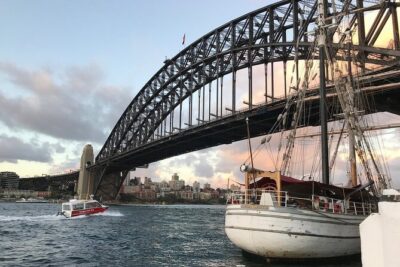
Stop 2: Sydney Harbour Bridge
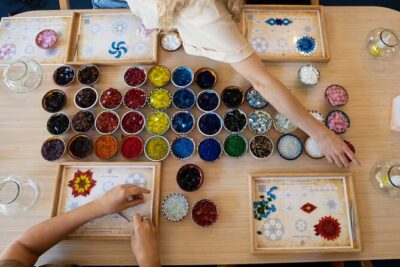
The Harbour Bridge is a leading-lines playground. You’ve got repeating structure and a clear directional shape that naturally pulls the eye across the frame.
This stop is ideal for understanding how camera settings interact with what your eyes see:
- how shutter speed affects motion in the harbour environment
- how aperture choices change the sharpness and depth you feel in the scene
- how your framing decisions can reduce clutter and strengthen the subject
You’re also learning how to work with lighting conditions rather than pretending the world will always cooperate. Midday can be harsh, and Harbour scenes often have glare. The goal is to adjust instead of giving up.
Stop 3: Circular Quay
Circular Quay is where your photography stops being just architecture and becomes atmosphere. You’ll be thinking about how to separate subject from background, especially when there’s activity and lots of visual noise.
This is a strong stop for learning composition because it forces decisions:
- what you include (and what you leave out)
- how you use the frame to manage distractions
- how you control brightness so the scene looks intentional, not blown out
If you want your images to look less like a postcard and more like a real photograph, this is the kind of location where that shift happens.
Stop 4: The Rocks
The Rocks brings texture and character into the mix. Instead of only shooting big icons, you get practice with smaller details and tighter scenes. That’s important because photographers who improve quickly learn to switch between wide, structural images and more intimate street-level shots.
This is also where “hidden” angles start to matter. The workshop is described as including both well-known and some lesser-seen photographic locations in the Harbour Foreshore/Rocks precinct. Even without turning it into a treasure hunt, that kind of local routing helps you avoid the same handful of viewpoints everyone already posts.
Lighting: the skill most people skip until it hurts
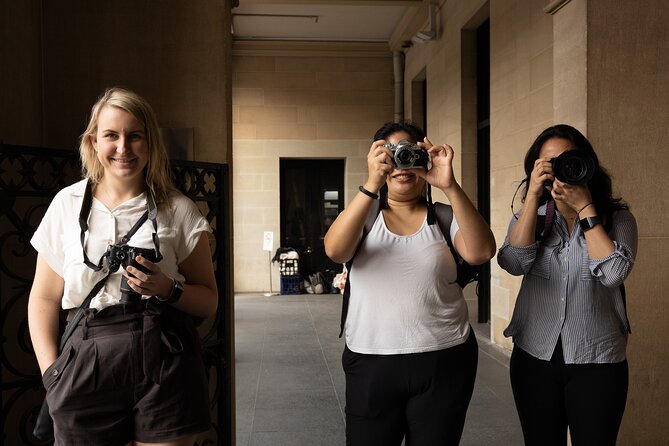
Lighting is the big theme here. The workshop explicitly focuses on working with various lighting conditions, which is a fancy way of saying: the world isn’t always soft and golden.
With a 12:00 pm start, you’ll likely deal with stronger light and higher contrast. That’s a great training scenario because it teaches you to react instead of freeze. You’ll practice the idea that good exposure is not just a technical target. It affects mood, readability, and the feeling of depth.
The key is how the course connects lighting to pre-visualising. You’re not only learning what settings do. You’re learning how to decide what you want the scene to look like, then use your camera to get there.
Teaching style: clear instruction and real-world feedback
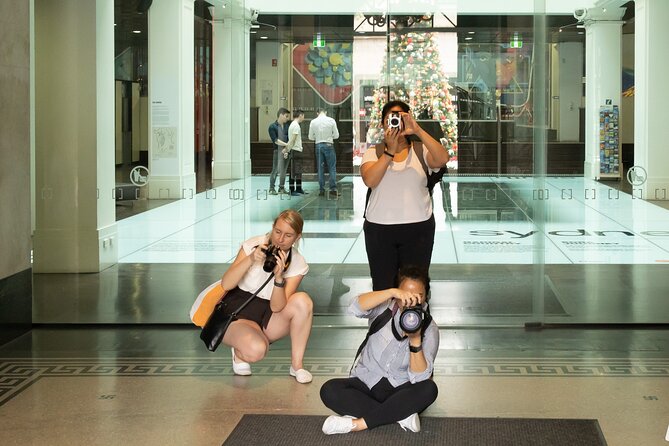
The strongest praise in the available reviews centers on teaching quality. You’ll be working with Daniel Linnet, and the feedback highlights how clearly he explains concepts and how easy it is to follow his instruction. People also mention that the on-street shooting is where things really click, because theory turns into results fast.
There’s also mention of tutor photography work by Glenn Lockitch and students, which suggests the workshop is grounded in real practice rather than generic camera tips. That matters because it keeps the lessons connected to actual images, not just settings lists.
Price and value: $107.59 for a short, focused upgrade
At $107.59 per person for around 4 hours, this workshop is priced like a serious skill session, not a casual walk. The value comes from three things working together:
- You get structured fundamentals (camera kit, modes, manual control).
- You apply the lessons immediately on iconic locations.
- The group is capped at 10 people, which keeps the teaching grounded and responsive.
If you tried learning from YouTube and Instagram and your results still feel inconsistent, this kind of workshop is a practical fix. It’s also a better option than paying for a generic tour where you only stop for photos without being taught how to improve.
Who should book this workshop (and who should skip it)
This workshop is best for:
- beginners who want a clear start, not confusing jargon
- people who can use their camera but don’t fully understand settings
- photographers returning to the hobby and wanting manual mode confidence
- anyone shooting SLR or mirrorless with full manual capability
You should skip it if:
- your camera is a compact model without full manual control
- you expect a purely scenic sightseeing experience with no settings work
Also, the workshop includes walking and you should have moderate physical fitness. It’s not described as extreme, but Harbour precincts do mean you’ll be on your feet.
Practical tips so you get better fast
A few simple things can make your learning smoother:
- Use your camera in advance so you know where your mode dial and manual settings are. This course is about applying skills, not searching menus.
- Bring what you normally shoot with (your main lens is best). You’ll want to practice with your real kit.
- Charge your battery and have enough memory space. When you’re shooting constantly, you burn storage faster than you expect.
- Expect the workshop to depend on good weather. If weather conditions are poor, the experience may be rescheduled or refunded.
- If you use a service animal, this activity allows it.
Should you book this Sydney Harbour Foreshore Photography Essentials Workshop?
If you want your Harbour photos to look intentional, not accidental, I’d say this workshop is worth booking. The biggest strength is the combination: fundamentals (including manual mode) plus real shooting stops around the Opera House, Bridge, Circular Quay, and The Rocks. It’s a focused way to get better in a single half-day without turning your trip into a photography boot camp.
Book it if you’re ready to learn settings and apply them on the spot. Skip it only if your camera can’t do full manual control.
If you’re on the fence, here’s the simple test: do you want your pictures to improve in a measurable way after one afternoon? If yes, this is a solid choice.
FAQ
What is the duration of the Photography Essentials Workshop?
It runs for about 4 hours.
Where is the meeting point, and when does the workshop start?
You meet at Customs House, 31 Alfred St, Sydney NSW 2000, and the start time is 12:00 pm.
Where does the workshop end?
The activity ends back at the meeting point.
What types of cameras is this workshop suitable for?
It’s suitable for any camera with full manual capability, including SLR and mirrorless cameras.
Is it suitable for compact cameras?
No. It is not suitable for compact cameras without full manual capability.
How many people are in a group?
This workshop has a maximum of 10 travelers.
Does the workshop depend on weather?
Yes. It requires good weather, and if it’s canceled due to poor weather you’ll be offered a different date or a full refund.
Are service animals allowed?
Yes, service animals are allowed.
What’s the cancellation window for a full refund?
You can cancel for a full refund up to 24 hours in advance of the experience start time. If you cancel less than 24 hours before, the amount paid is not refunded.
Craft a Sydney Souvenir

More Photography Sessions in Sydney
More Tour Reviews in Sydney
- Blue Mountains Small-Group Tour from Sydney with Scenic World,Sydney Zoo & Ferry
★ 5.0 · 3,709 reviews

Fresh off the jetty: more Sydney reviews
Photography Sessions, compared.
 ★ 4.6Private Photoshoot outside the Opera HouseFrom $10640 reviews
 ★ 5.0Sydney Photography Course in the Historic Rocks Area35 reviews
 ★ 5.0Photoshoot in stunning locations! (sydney)From $22026 reviews
 ★ 4.9Private photo tour at Sydney’s most iconic locationsFrom $15912 reviews
 ★ 3.5Professional Photoshoot at Opera HouseFrom $6910 reviews
 ★ 5.0Personal Travel & Vacation PhotographerFrom $2687 reviews
 ★ 5.0Private Pro Photography- Sydney -price per group of 4From $3377 reviews
 ★ 5.0Sydney Photography Masterclass – Private Photography LessonFrom $1867 reviews
Browse the lists this tour appears in