
Reviewed · KATOOMBA & SCENIC WORLD
Small-Group Weekend Rock Climbing Adventure from Katoomba
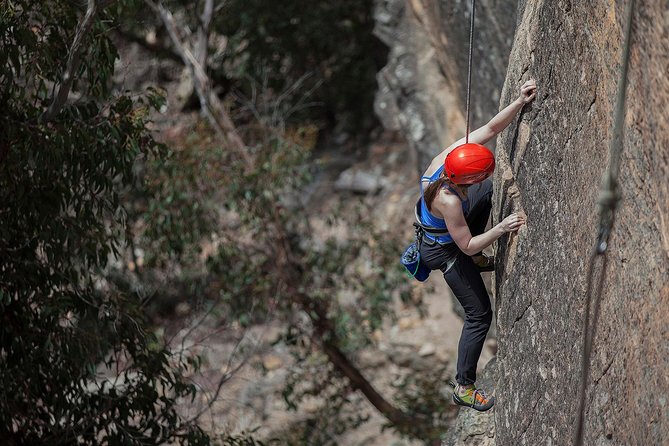
Two days, one big confidence jump. This small-group weekend rock climbing adventure from Katoomba turns first-time outdoor nerves into real skill on Blue Mountains rock, with safety training built in. It’s a practical intro if you’ve climbed indoors and want to make that step into the outdoors.
What I like most: you get hands-on belaying, anchors, and knots training, then you put it to work right away on rock. I also love that the course is set up for convenience, with equipment and lunches included so you can focus on learning instead of sourcing gear. In past sessions, instructors like Liam and Pedro have been praised for patience and choosing routes that match the group grade, and Scott has been noted for adjusting to different comfort levels.
One thing to consider: this is outdoors and it expects moderate physical fitness, plus you’ll need to get yourself to the meeting point at 8:45am. If you’re expecting a relaxed sight-seeing day, this one has real climbing work.
In This Review
- The Big Picture: What This 2-Day Course Really Delivers
- Key Highlights You’ll Notice Fast
- Katoomba Start: How the Weekend Flows From 8:45am
- Safety Training on Day One: Belaying, Anchors, and Abseiling
- Getting to the Rock: Why Graduated Climbs Matter
- Equipment and Gear Confidence: What’s Included and Why It Helps
- Lunch in the Bush: Real Break Time for Real Learning
- Day Two: Climbing for Fun, Technique, and Variety
- Small Group Size (15 Max) and the Safety Factor
- Price and Value: What $394.48 Covers (and What It Doesn’t)
- Who Should Book This Course in the Blue Mountains
- Quick Practical Tips Before You Go
- Should You Book This Weekend Rock Climbing Course From Katoomba?
- FAQ
- How long is the Small-Group Weekend Rock Climbing Adventure from Katoomba?
- Where is the meeting point?
- What time does the tour start?
- How big is the group?
- What skills will I learn in the first day?
- What happens on the second day?
- Is gear included?
- Is accommodation included, and do you provide pickup?
- What if the weather is poor?
The Big Picture: What This 2-Day Course Really Delivers
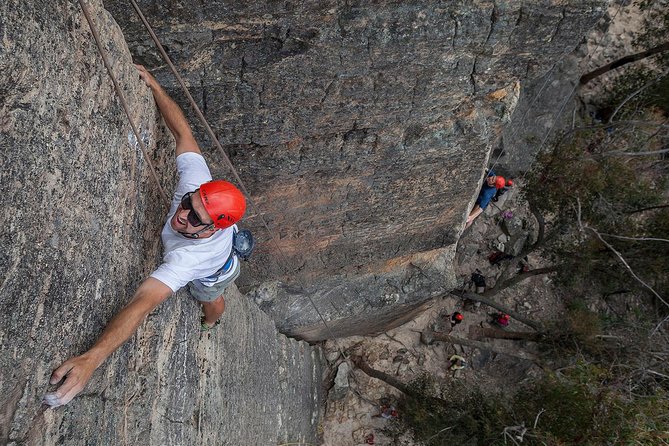
This weekend course is designed for people with little or no outdoor climbing experience, including a smooth transition from the gym to the real thing. The structure is simple: learn the safety system first, then climb with guided coaching until the basics feel usable. You’ll get world-standard technical rope skills training and plenty of actual Blue Mountains climbing—so it’s not just theory with a couple of short tries.
The course runs daily from Katoomba and returns you to the start point. With a maximum group size of 15, the instructors can spend real time on your technique—especially on the moments that matter most, like how you tie knots, set up a belay, and handle your rope without panic.
You’ll also get lunch each day (and it’s served as a picnic-style break in the bush), plus all park fees. For many beginners, that’s a big part of the value: you’re paying for guided instruction, not just access to a climbing site.
Key Highlights You’ll Notice Fast

- Day one builds the safety system: belay anchors, rope handling, tying knots, and abseiling fundamentals.
- Gear is supplied: ropes, helmets, harnesses, technical hardware, and climbing shoes.
- Graduated climbs keep you in your zone: short progressions that build confidence rather than overwhelm.
- Day two is about climbing variety: as many different climbs as possible, focused on technique.
- Small group size (15 max): better attention when you’re learning key movements.
- Instructors include praised names: Liam, Pedro, Scott, Zuza, and Lewis are specifically mentioned for safety focus and teaching style.
More of Katoomba and the Three Sisters
- Katoomba: Blue Mountains Full-Day Hop-On Hop-Off Bus Tour
★ 4.5 · 274 reviews - PRIVATE Blue Mountains Scenic World Wentworth Falls & Cruise Tour
★ 5.0 · 52 reviews - Blue Mountains Day Tour with Wildlife and Scenic World Entry
★ 4.0 · 51 reviews - Blue Mountains day tour with Cruise, Scenic world pass & Zoo
★ 4.4 · 19 reviews
Katoomba Start: How the Weekend Flows From 8:45am
Your weekend begins at 166 Katoomba St, Katoomba NSW 2780, at the Paddy Pallin Adventure Center, with a start time of 8:45am. From there, you board the vehicle and head to where you’ll begin the first part of your day—focused on safety awareness and belaying skills.
This early start matters more than you might think. Learning rope work takes time and calm attention, and instructors can’t rush the fundamentals. By the time you move to the rock, the goal is that you already understand what you’re about to do and why it matters.
At the end, the activity finishes back at the meeting point. That keeps the weekend simple if you’re staying somewhere in Katoomba, because you’re not juggling extra transfers or complicated end-of-day logistics.
Safety Training on Day One: Belaying, Anchors, and Abseiling
Day one is built around fundamentals. You’ll start with the art of safe movement on rock, then move into the climbing and rope mechanics that keep the whole system working. For beginners, this part is the difference between feeling brave and feeling secure.
You’ll practice:
- Using climbing equipment correctly
- Efficient use of holds and footholds
- Rope handling and knot tying
- Belay anchors and correct belay technique
- Abseiling basics
- Additional climbing techniques that connect rope skills to real movement on rock
The course also teaches you how to select and use modern abseiling and rockclimbing equipment, which is useful because outdoor climbing isn’t just about doing the move—it’s about doing it with the right setup.
In short: you’re not just learning steps. You’re building a mental routine you can repeat. That routine is what helps you climb with experienced leaders on short, moderately graded rock climbs after the course.
Getting to the Rock: Why Graduated Climbs Matter

After the first training segment, the weekend doesn’t waste time. You go straight to the rock so you get the most out of the experience. The instructors use a special selection of graduated climbs, meaning the difficulty is introduced step-by-step.
That approach is a big deal for first-timers. If you jump straight into harder routes, you can spend the whole session focused on fear instead of technique. Here, you should feel progression: you’ll start with climbs that teach movement and control, then build toward more varied skills.
Past course participants specifically praised the way instructors adjust routes to the group grade and comfort levels. That matters because it keeps the climbs challenging but not chaotic—especially when you’re still learning how your hands and feet should work together on real rock.
Equipment and Gear Confidence: What’s Included and Why It Helps

A beginner-friendly course lives or dies on gear clarity. Here, all technical equipment is supplied, including ropes, helmets, harnesses, technical hardware, and climbing shoes. You also get the supply and guided use of everything you need, so you’re not stuck figuring out unfamiliar systems before you even start.
The course also includes nationally and internationally certified climbing instructors. That’s important for a safety-focused weekend like this, because the instruction isn’t just “here’s how to climb.” It’s “here’s how to stay safe while you climb.”
For you, this reduces friction:
- No scrambling to rent or source equipment
- Less chance of showing up with gear that doesn’t fit the training plan
- More time spent practicing knots, belays, and movement
All of that means you’re paying for guided learning with the right tools, not paying to rent a scramble of gear and hope it works out.




Lunch in the Bush: Real Break Time for Real Learning
Each day includes lunch. The weekend begins and ends with movement, climbing, and instruction, so the break isn’t a filler between activities—it’s part of keeping you sharp.
The course includes a picnic amid the bush, with lunch supplied. There’s also a practical note worth taking seriously: if you have special dietary requirements, you should inform the team when booking. That helps prevent the common “good intentions, no plan” problem that happens on outdoor trips.
Drinks are not included unless specified, so plan to handle hydration and extra snacks on your own. For a two-day outdoor course, that’s one more reason it’s smart to bring extra awareness to how you fuel and recover between climbs.
Day Two: Climbing for Fun, Technique, and Variety
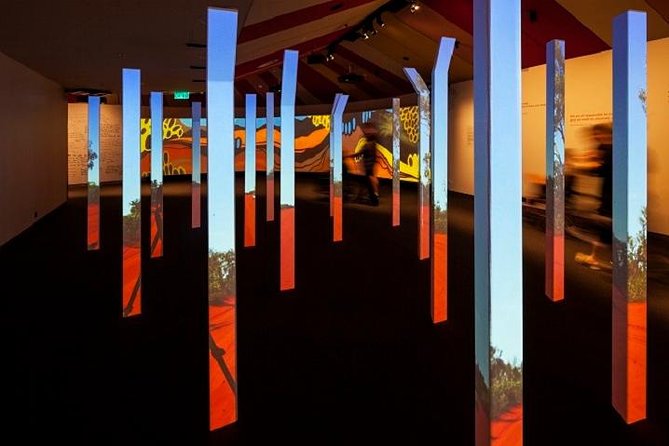
Day two is devoted solely to climbing—no separate safety theory segment. The instructor aims to take you on as many varied climbs as possible, with the main goal being learning and developing technique as you climb.
This is where your day-one training gets tested. You’ll apply rope handling, safe belay habits, and the movement fundamentals you practiced earlier. The focus stays on technique, which usually means you’ll repeat skills in slightly different ways so they start to feel automatic.
This second day also fits beginners who are transitioning from the gym. Indoor climbing often teaches you problem-solving with controlled conditions. Outdoor climbing adds different rock texture and natural variability, so day two helps you build comfort on real features while still staying supported by your instructor.
Small Group Size (15 Max) and the Safety Factor

With a maximum of 15 participants, you’re not just part of a crowd. You should get the kind of attention that matters when learning belays, anchors, and abseiling basics—skills where small mistakes can be big problems.
This small-group format also helps instructors match pace. In feedback from past sessions, participants highlighted patience and instructors adjusting routes to suit different abilities. That blend—safety focus plus flexibility—creates a learning environment where beginners can improve without feeling rushed or singled out.
If you learn best by asking questions in real time, this setup is a good match. And if you’re a bit nervous, it’s a relief to know the instruction is structured and safety-focused from the start.
Price and Value: What $394.48 Covers (and What It Doesn’t)
At $394.48 per person for the 2-day course, this isn’t a budget activity—but it’s also not just a ticket to climbing locations. The fee includes national park fees, a professional guide, and all technical equipment, plus lunch each day and GST.
That “all-in” equipment part matters. Ropes, harnesses, helmets, shoes, and technical hardware can add up quickly if you had to rent or arrange it yourself. Here, you also get guided climbing and skills training with certified instructors, which is the core of what you’re paying for.
What’s not included:
- Accommodation
- Hotel pickup and drop-off
- Drinks (unless specified)
So the real value question is simple: are you already set on where you’re staying in Katoomba, and can you get yourself to the meeting point at 8:45am? If yes, you’re likely getting a good deal for a structured two-day skills course with gear and lunches handled. If not, you’ll want to budget for lodging and local transport.
Who Should Book This Course in the Blue Mountains
This weekend climbing course is a strong fit if you:
- Are new to outdoor climbing or moving from indoor gym climbing
- Want a safety-first introduction to rope systems
- Prefer small-group learning with guided progression
- Are ready to practice skills like belaying, knot tying, and abseiling fundamentals
You’ll also need to be at least 14 years old. Children must be accompanied by an adult, and the course expects moderate physical fitness. If you’re looking for an easy stroll with a view, this likely won’t match your expectations.
If you’re planning a private or personal training approach, the provider notes they can run the course on a personal training or private group basis so you can select dates that fit you better.
Quick Practical Tips Before You Go
Plan around the schedule: 8:45am departure from Katoomba and two full days of instruction and climbing. Wear clothing that can handle outdoors and rope work, and expect to spend meaningful time moving on rock.
Also, don’t ignore the dietary note. If you need special meals, tell the team when booking so lunch is handled well.
Finally, remember the course requires good weather. If it’s canceled due to poor weather, you’ll be offered another date or a full refund.
Should You Book This Weekend Rock Climbing Course From Katoomba?
If you’re a beginner or a gym climber ready to try the Blue Mountains with proper safety instruction, I think this is a smart buy. The big strengths are the structured day one (belaying, anchors, abseiling basics) and the heavy focus on real climbing with graduated progression. With equipment and lunch included, the experience is designed to remove obstacles so you can learn.
I’d skip it if you can’t meet the basics: getting to the meeting point at 8:45am, being comfortable with moderate physical effort, or needing accommodation and transfers handled for you.
If you want a weekend where you leave with usable outdoor skills—especially the rope and safety fundamentals—this is the type of course you book once, then build on.
FAQ
How long is the Small-Group Weekend Rock Climbing Adventure from Katoomba?
It runs for 2 days (approximately), with the experience starting at 8:45am and ending back at the meeting point after the course concludes.
Where is the meeting point?
You meet at 166 Katoomba St, Katoomba NSW 2780, at the Paddy Pallin Adventure Center.
What time does the tour start?
The start time is 8:45am.
How big is the group?
The course has a maximum of 15 travelers.
What skills will I learn in the first day?
Day one focuses on safety and technique basics like belaying, rope handling, tying knots, belay anchors, correct belay technique, and abseiling fundamentals, plus basic rockclimbing movement skills.
What happens on the second day?
Day two is devoted to climbing, aiming to take you on as many varied climbs as possible so you can develop technique by climbing.
Is gear included?
Yes. The fee includes all technical equipment such as ropes, helmets, harnesses, technical hardware, and climbing shoes, plus guided use of that equipment.
Is accommodation included, and do you provide pickup?
Accommodation is not included, and hotel pickup and drop-off are not included.
What if the weather is poor?
This experience requires good weather. If it’s canceled due to poor weather, you’ll be offered a different date or a full refund. You can also cancel up to 24 hours in advance for a full refund.
More Tour Reviews in Blue Mountains



Katoomba and the Three Sisters
Fresh off the jetty: more Blue Mountains reviews


Katoomba & Scenic World, compared.
 ★ 5.0All Inclusive Blue Mountain,Scenic World,Lunch,Koalas,ferryFrom $2047,832 reviews
 ★ 5.0Blue Mountains Small-Group Tour from Sydney with Scenic World,Sydney Zoo & FerryFrom $1613,709 reviews
 ★ 4.8Blue Mountain Small Group Scenic World, Wildlife, WaterfallFrom $1483,428 reviews
 ★ 4.5Blue Mountains Day Trip from Sydney Including Scenic WorldFrom $1502,420 reviews
 ★ 4.7Blue Mountains Adventure: Scenic World, Zoo & Koala PhotoFrom $1442,062 reviews
 ★ 4.8From Sydney: Blue Mountains, Scenic World, Zoo, & Ferry RideFrom $1391,484 reviews
 ★ 5.0Blue Mountains: Three Sisters, Scenic World and Wildlife parkFrom $1821,481 reviews
 ★ 4.5Small Group Blue Mountains, Wildlife & Scenic World Day TourFrom $147932 reviews
Browse the lists this tour appears in