
Reviewed · MUSEUMS
Australian National Maritime Museum: See It All Ticket
One ticket, multiple ships, and real sea stories. The Australian National Maritime Museum at Darling Harbour turns a waterfront stroll into a full day of ships you can actually board, and I love the floating fleet and the Action Stations look at the Royal Australian Navy.
The one watch-out is timing; the last vessel boarding is around 3:10pm, so a quick dash through can leave you short on deck time.
In This Review
- Key Takeaways Before You Go
- Darling Harbour Base: where the museum fits your Sydney day
- Wharves First: the floating fleet you can walk onto
- Captain Cook to the Cold War: what each ship visit helps you understand
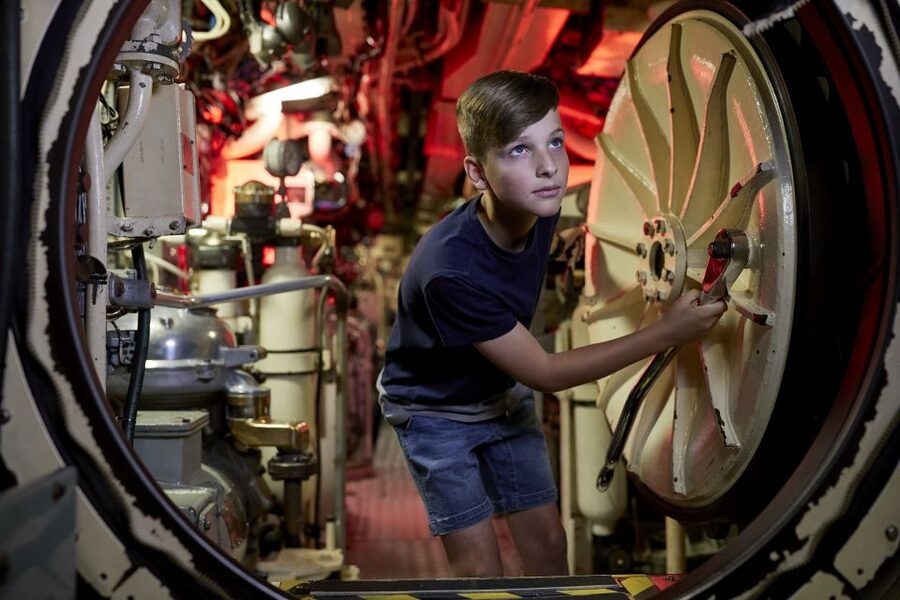
- The cold war submarine
- The naval destroyer
- HMB Endeavour replica
- Duyfken replica and early contact
- Action Stations: a hands-on way into Royal Australian Navy history
- Galleries and special exhibitions: artefacts with real context
- Ocean Photographer of the Year: why this photo show lands
- Family-friendly flow: kid crafts without wasting adult time
- What can feel thin: interactive expectations and pacing
- Price and value: is $23 a smart deal?
- Timing tips: how to arrive, board, and not get rushed
- Last boarding time
- How to get there without stress
- What to wear
- Quick guide to a satisfying day plan
- Should you book the See It All Ticket?
- FAQ
- How long is the See It All Ticket valid?
- What does the ticket include?
- What’s not included?
- Where do I meet for the experience?
- Is there a tour guide?
- What should I wear or bring?
- Can I cancel my booking?
- Is the museum wheelchair accessible?
- When is the last time I can board the vessels?
Key Takeaways Before You Go
- A truly all-in ticket: it covers all galleries and exhibitions, plus special exhibitions and Action Stations.
- Board real vessels: from a cold war submarine to a naval destroyer and tall ships including HMB Endeavour.
- Navy history you can try, not just read: Action Stations is built for active learning.
- Ocean Photographer of the Year on-site: a standout photo exhibition tied to the fragility of our oceans.
- Good for mixed ages: kids get included art and crafts while adults get ship time.
- You’ll need a full day: there’s a lot to see across wharves and galleries.
Darling Harbour Base: where the museum fits your Sydney day

The museum sits right on Darling Harbour, in that part of Sydney where you can go from city noise to waterfront calm in a few minutes. You’re in the middle of the action, but the experience doesn’t feel like a theme park. It’s more like a harbor-sized classroom with ships.
If you’re pairing it with other Sydney highlights, this location is practical. It’s an easy walk from the CBD area, and it’s also simple to reach by ferry. On foot, expect a 20 to 30 minute walk from Town Hall or Central stations, and you can cross over the Pyrmont Bridge from Town Hall. From Central, the stroll through Chinatown and Darling Harbour is straightforward.
What I like about this setup is that you can shape the day around your energy. Some people want to start at the water first and save the indoor galleries for later. Others do the galleries first so they’re warmed up and ready for boarding. Either way, the museum layout keeps you close to the next stop.
Worth lining up next to this Sydney pick:
- Sydney: Opera House Guided Tour with Entrance Ticket
★ 4.8 · 8,312 reviews - Sydney: Taronga Zoo Ticket with Return Ferry
★ 4.5 · 1,142 reviews - SEA LIFE Sydney Aquarium Entry Ticket
★ 4.3 · 1,025 reviews - Sydney Taronga Zoo General Entry Ticket
★ 4.0 · 941 reviews
Wharves First: the floating fleet you can walk onto
This is the main event. The museum has one of the largest and most diverse in-water fleets in the world, and the wharves are packed with vessels you can’t really duplicate anywhere else in Sydney. You’re not just looking at ships through glass. You’re stepping aboard and imagining what life at sea would have felt like.
The ticket’s included vessel stops are a big deal because they cover both eras and ship types. You’ll have access to:
- a cold war submarine
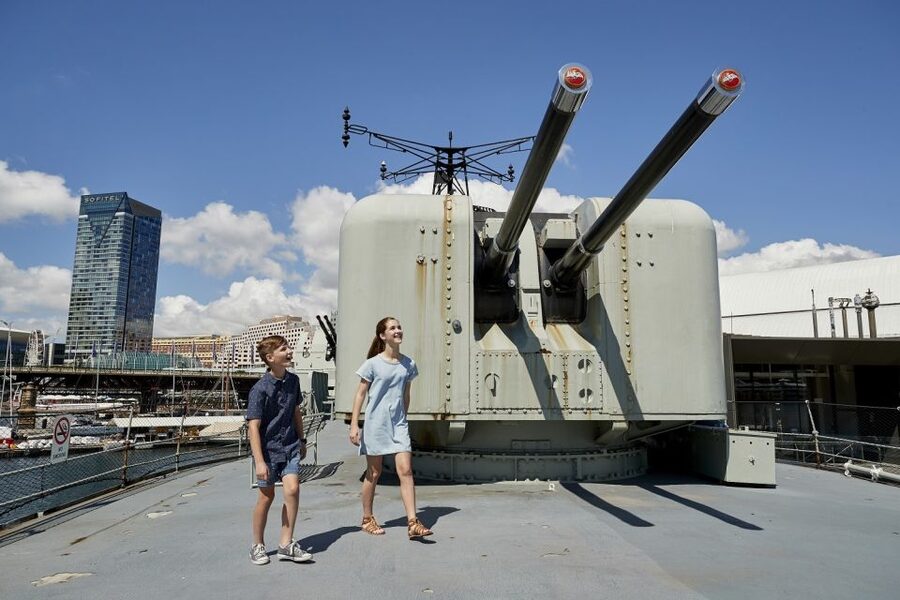
- a naval destroyer
- the tall ship replica of Captain Cook’s HMB Endeavour
- the replica of Duyfken, recognized as the first European ship to reach Australia in 1606
Even if ships are not your normal hobby, you’ll likely find at least one vessel that clicks. The submarine is a big draw because it forces you to picture close quarters and engineering detail. The destroyer helps you understand naval power in a more modern setting. And the tall ships bring you into the older rhythm of exploration and ship handling.
One practical tip: boarding time matters. The museum lists a last boarding time for vessels of 3:10pm. During NSW school holidays, that stretches to 4.10pm. Plan to be at the wharves earlier than you think you need, especially if you want time to look slowly.
Captain Cook to the Cold War: what each ship visit helps you understand
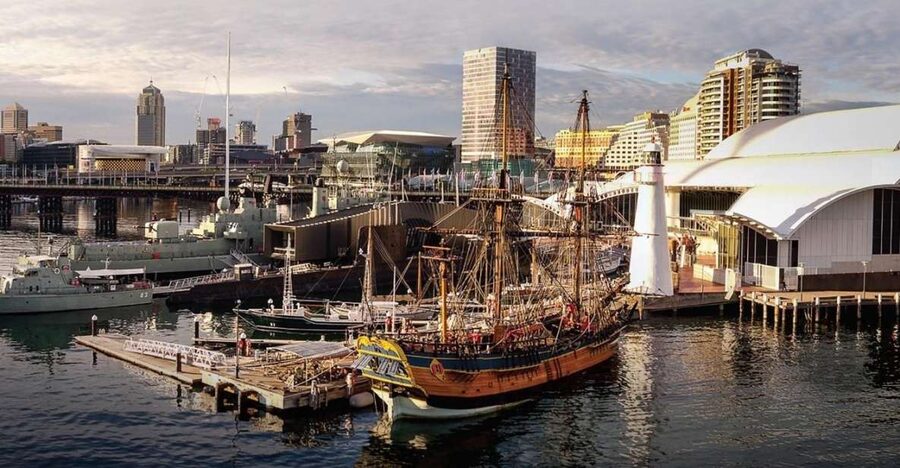
Each vessel teaches a different story, and that’s why the ticket works. You’re not just collecting photos. You’re moving through time and mission.
The cold war submarine
If you’ve ever wondered how technology and secrecy shaped naval life, this stop tends to make people pay attention fast. Submarines are built around limited space, careful systems, and the reality of operating out of sight. Even without turning it into a technical course, you get a strong sense of how compact and purposeful the environment is.
The naval destroyer
A destroyer brings you into the world of surface operations and active naval defense roles. It’s a shift from the quiet, enclosed feel of a submarine. Here, you can connect the dots between how ships are laid out, how crews might work, and why training and procedures matter.
Worth lining up next to this Sydney pick:
HMB Endeavour replica
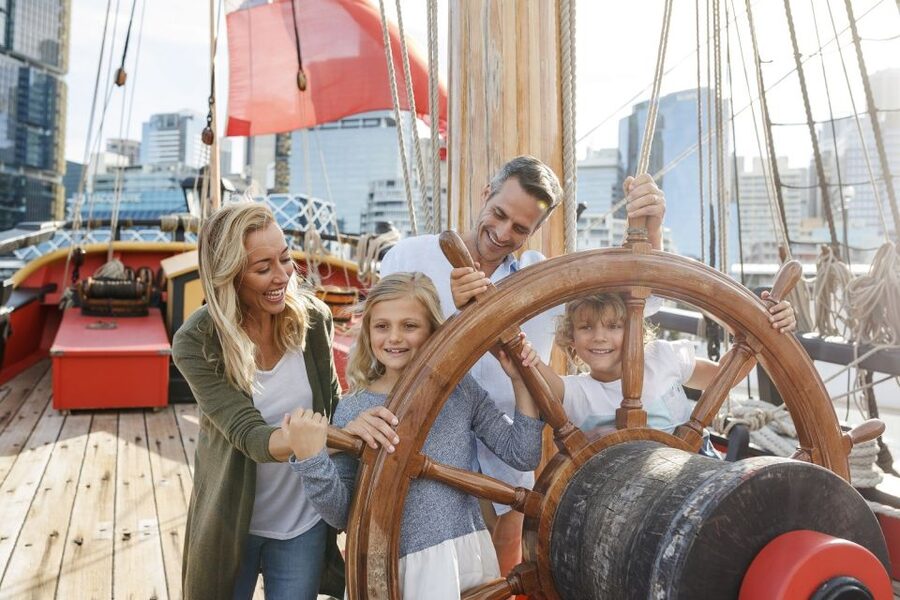
This is where the museum broadens from military to exploration. HMB Endeavour ties to Captain Cook and the 18th-century era of navigation and discovery. Tall ship time also changes how you walk through the museum day. You move slower, look higher, and start thinking about sails, rigging, and the sheer effort it took to move under wind power.
Duyfken replica and early contact
Duyfken is included as the first European ship to reach Australia in 1606. It’s a reminder that maritime history is not only war and technology. It’s also meeting points, routes, and the beginnings of a much larger chain of events.
Action Stations: a hands-on way into Royal Australian Navy history
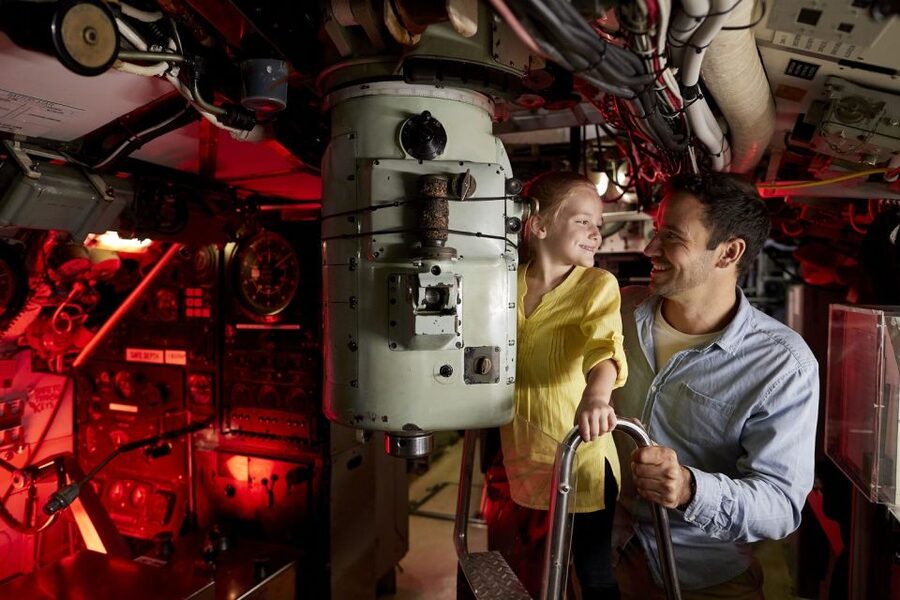
The included Action Stations experience is the museum’s interactive learning angle for the Royal Australian Navy. Instead of making you sit and read, it pushes you toward involvement. That matters, especially if you’re visiting with kids or anyone who loses steam when the day turns too text-heavy.
Action Stations also acts like a bridge between the ships on the wharves and the galleries inside. You’re not jumping randomly between exhibits. You’re building context: what the Navy needed, how training works, and how maritime roles shape everyday life on board.
The museum also lists a live tour guide in English. That’s useful if you want explanations that connect the dots. Even if you’re just catching pieces, a guide can help you focus on what’s worth your time rather than spreading attention thin.
Galleries and special exhibitions: artefacts with real context
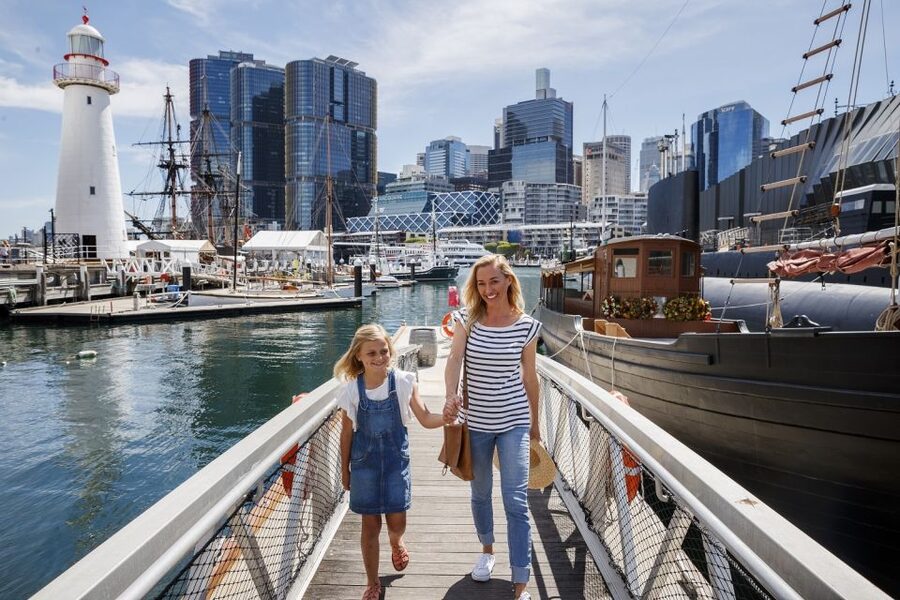
Outside the ships, you’ll find six permanent galleries showcasing artefact collections across Australia’s sea connection, plus an ever-changing program of temporary exhibitions. This mix is smart. The permanent spaces give you the backbone, while the temporary exhibits add fresh themes.
Here’s what to expect from a day built around both ships and galleries. The wharves can feel sensory and physical: stairs, railings, changing levels, open air. The galleries slow you down. They’re where the museum turns those ship visits into meaning through artefacts and interpretive displays.
The ticket includes access to all galleries and exhibitions, plus access to special exhibitions. That’s one reason this ticket feels better value than trying to pick and choose. You won’t get stuck doing math mid-day when you realize you still want the photo show or a temporary gallery.
Ocean Photographer of the Year: why this photo show lands

One of the highlights is the Ocean Photographer of the Year exhibition. It’s an excellent pairing with the ship focus because it changes the mood from mechanical history to something more emotional and urgent.
Ships can make you think about power, navigation, and human work. The ocean photo exhibition is more about the ocean itself: beauty and fragility. You’ll often see people linger longer here than they expect, because photos do what ship galleries can’t always do. They make you feel what’s at stake.
If you like photography, this is the kind of exhibit you can build your pace around. I’d treat it like a planned stop, not a quick pass. Even if you rush through everything else, give yourself time to actually look.
Family-friendly flow: kid crafts without wasting adult time
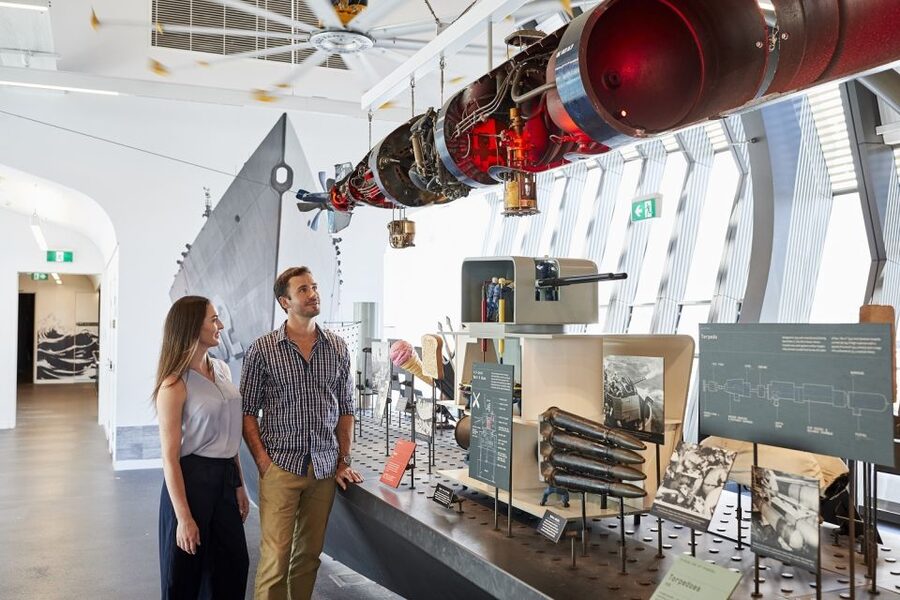
This museum is set up so a family day doesn’t turn into constant negotiation. Included in the ticket are art and crafts activities for kids. That means you can handle the typical energy curve of younger visitors without having to hunt for an off-site distraction.
The key is timing. Kids often want the ships first because boarding feels like adventure. Then the indoor galleries can become a rest period. Or you can do the reverse: galleries first to burn off some early patience, then ships while they still have momentum.
You’ll also appreciate that the museum is an indoor/outdoor attraction. Bad weather won’t completely ruin your day, and when the harbor air is nice, the wharves feel like an extension of Sydney itself.
What can feel thin: interactive expectations and pacing
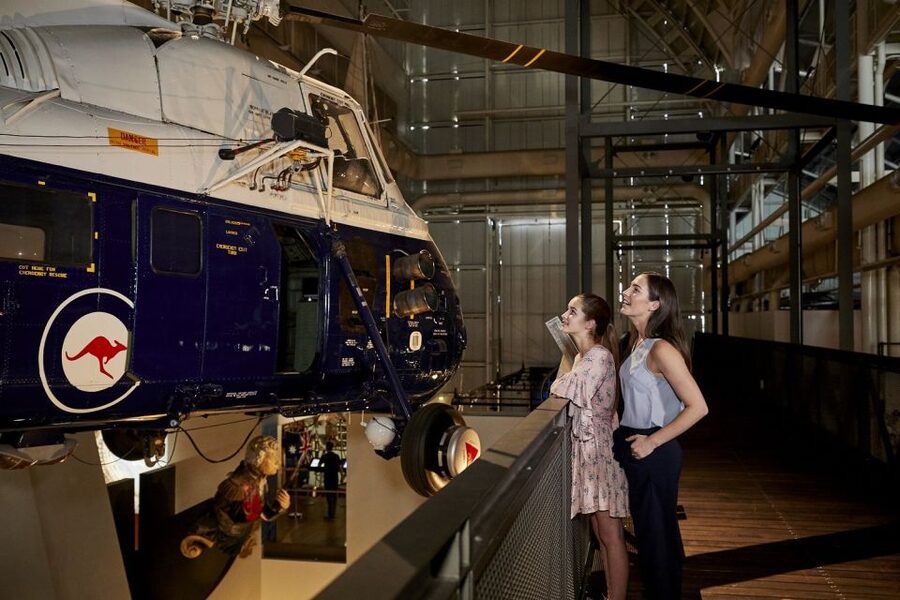
The museum gets strong marks for its ships and history focus. At the same time, not every exhibit hits the same for every person.
Some visitors have found that the museum can feel light on interactivity in certain areas, and one part themed around a galaxy/space idea didn’t feel like it had much to see. If you’re the kind of visitor who expects lots of hands-on tech or a massive space-themed setup, manage expectations. The ship experience is the main strength.
Also, time is the biggest real constraint. One visit can easily stretch long. When people say there’s not enough time, they’re usually talking about the fact that boarding vessels takes longer than you think, and galleries add more walking and reading than planned.
If you only have a few hours, you can still have a good visit. But you’ll be choosing between the submarine, the destroyer, the tall ships, Action Stations, and the photo exhibition. The See It All Ticket is built for doing the whole set.
Price and value: is $23 a smart deal?
At about $23 per person, the value comes from the sheer number of included stops. This is not a ticket for one building or one highlight. You’re getting:
- access to all galleries and exhibitions
- access to special exhibitions
- Action Stations
- boarding access for the submarine, destroyer, HMB Endeavour, and Duyfken
- kids art and crafts activities
That matters because maritime museums can get pricey fast when you start adding separate vessel entry. Here, the ticket bundles the expensive part: access to multiple ships, including the submarine and tall ship replicas.
Food and drinks are not included, so you’ll want to budget for that separately. The good news is there’s an on-site café, and it’s positioned for a waterfront break. More than once, the café is the spot where you’ll feel like you actually have time to breathe after all the stairs and deck walking.
Timing tips: how to arrive, board, and not get rushed
This museum rewards early arrival. Not because it’s complicated, but because your attention needs time.
Last boarding time
Plan around the vessel boarding deadline:
- 3:10pm last boarding time for vessels
- 4.10pm during NSW school holidays
If you arrive late, you risk seeing everything except the vessels you most wanted. If you’re serious about the submarine or tall ships, aim to be on the wharf side well before the afternoon rush.
How to get there without stress
- Walking: 20 to 30 minutes from Town Hall and Central stations
- Ferry: Sydney Ferries Route F4 has a Darling Harbour Loop that runs about every half hour, stopping at Pyrmont Bay Wharf next to the museum
- Parking: Harbourside Car Park at 100 Murray Street, Pyrmont charges $15 all day, but you need your parking ticket stamped at museum reception
What to wear
Bring comfortable shoes. High-heeled shoes are not allowed. That rule matters because ship boarding often means uneven surfaces, steps, and a bit of scrambling around railings and entry points.
Quick guide to a satisfying day plan
If you like a simple order that works for most visitors, this pattern tends to keep you from bouncing around:
- Start with the wharves so you can enjoy open air before you’re tired
- Use Action Stations mid-day as your context builder
- Move indoors for the galleries and the special photo exhibition
- Save the café break for when you feel like you’ve earned it
The biggest mistake I see is leaving the photo exhibition for last. It’s easy to think you’ll have time, then suddenly you’re watching the clock because you still haven’t boarded the last vessel. Build your day so the clock protects your day, not the other way around.
Should you book the See It All Ticket?
If you want one day in Sydney that feels hands-on, ship-based, and genuinely different from the usual city sights, this ticket is a strong pick. The bundled value is the main reason. For roughly $23, you get multiple vessel experiences plus all galleries and special exhibitions, including Action Stations and the Ocean Photographer of the Year show.
You might skip it or adjust expectations if:
- you have only a short time window and can’t fit a full museum rhythm
- you’re mainly interested in a highly interactive, space/galaxy-style experience (some visitors have felt certain sections don’t have much to offer)
- you’re traveling with very limited mobility and want less time on boarding steps (wheelchair access is available, but vessel boarding still requires planning)
If your goal is a single-ticket maritime day at Darling Harbour, the See It All Ticket makes the most sense. It’s the easiest way to avoid picking and choosing and end up short on the very things that people love most.
FAQ
How long is the See It All Ticket valid?
It’s valid for 1 day. You should check availability to see the starting times.
What does the ticket include?
It includes access to all galleries and exhibitions, access to special exhibitions, access to Action Stations, access to the submarine, the destroyer, the tall ships HMB Endeavour and Duyfken, plus art and crafts activities for kids.
What’s not included?
Food and drinks are not included, and transportation to the museum is also not included.
Where do I meet for the experience?
The meeting point is 2 Murray Street, Darling Harbour, Sydney NSW 2000, AU.
Is there a tour guide?
Yes. There is a live tour guide in English.
What should I wear or bring?
Bring comfortable shoes. High-heeled shoes are not allowed.
Can I cancel my booking?
Yes. Free cancellation is available if you cancel up to 24 hours in advance for a full refund.
Is the museum wheelchair accessible?
The experience is wheelchair accessible.
When is the last time I can board the vessels?
The last boarding time is 3:10pm. During NSW School Holidays, the last boarding time is 4.10pm.
More Museums in Sydney




More Tickets in Sydney





More Tour Reviews in Sydney
- Blue Mountains Small-Group Tour from Sydney with Scenic World,Sydney Zoo & Ferry
★ 5.0 · 3,709 reviews




Fresh off the jetty: more Sydney reviews



Museums, compared.
 ★ 4.9Sydney Cricket Ground (SCG) and Museum Walking TourFrom $23616 reviews
 ★ 4.5Australian National Maritime Museum Entry Ticket – Holiday TicketFrom $25140 reviews
 ★ 4.5Blackwood Tours: Highland Village, Baddeck, Bell Museum TourFrom $14082 reviews
 ★ 5.0Private Tour in Sydney to Bondi and Historical SiteFrom $61050 reviews
 ★ 4.0Sydney Summer Art Exhibitions Art Gallery of New South WalesFrom $2416 reviews
 ★ 4.5Tours & Exhibitions at Art Gallery of New South WalesFrom $1711 reviews
 ★ 4.5Baddeck & Bell Museum Tour: Explore at Your Own PaceFrom $1237 reviews
 ★ 4.8Tickets & Tours at Art Gallery of New South WalesFrom $245 reviews
Browse the lists this tour appears in