
Reviewed · TARONGA ZOO & WILDLIFE
Sydney Wildlife Safari
Platypus is the headline, but the real joy is the search. This Sydney Wildlife Safari sends you from Circular Quay to the Southern Highlands for an afternoon and evening built around animals, wild habitat links, and patient guiding.
I love the sheer variety of wildlife you’re set up to see in one day, from kangaroos and wallabies to birds you’d never expect to track so closely. I also like the small-group setup (max 8) and the hands-on kit, like binoculars and handheld spotlights, that helps you actually notice what’s happening.
One consideration: the night part includes walking over rough, steep, and sometimes slippery ground, and the best sightings depend on good conditions. So if you have limited mobility, this one won’t feel comfortable.
In This Review
- Key things I’d circle before you go
- Southern Highlands at noon: getting out of Sydney fast
- Private farmland plus the Great Western Wildlife Corridor
- Lunch in Bowral: the part that makes the spotting click
- Afternoon spotlighting strategy: kangaroos, wallabies, and birds
- Dusk at the river: your real platypus shot
- Dinner at an historic country inn, then night spotlighting
- Price and what $304.83 buys you
- The guide factor: when timing turns a good day into a great one
- Who this safari suits (and who should skip it)
- Should you book Sydney Wildlife Safari?
- FAQ
- FAQ
- How long is the Sydney Wildlife Safari?
- Where do we meet, and what time does it start?
- What is included in the tour price?
- How big is the group?
- Is the tour physically demanding?
- What should I wear or bring?
- Is alcohol included with dinner?
- What happens if the weather is poor or too few travelers sign up?
- Is it a mobile ticket?
Key things I’d circle before you go
- Small group, big focus: Max 8 people means time for better spotting and questions.
- Great Western Wildlife Corridor: You’re learning how habitat connections help animals move safely.
- Dusk platypus search: A quiet river session at dusk is where the day turns special.
- Night spotlighting: Wombats, possums, and Tawny Frogmouths are best seen after dark.
- Included meals: Light lunch plus classic country pub dinner with a drink (alcoholic or non-alcoholic).
- You get the tools: Binoculars, handheld spotlights, and wildlife reference guides are part of the package.
Southern Highlands at noon: getting out of Sydney fast
You start at 12:00 pm at the Sydney Harbour Marriott Hotel by Circular Quay (30 Pitt St). From there, an air-conditioned vehicle takes you south for about 90 minutes to the Bowral area, which is a nice pacing choice compared with earlier departures. You’re already thinking wildlife before you even arrive, because the guide sets the stage for what you’re likely to find.
Bowral is the classic Southern Highlands base, and that matters. You’re not just driving through scenery; you’re timing the day around animal activity and the light you need for spotting. This is the kind of trip where late morning and evening are the point, not an afterthought.
More koalas, roos and harbour-view enclosures
- Blue Mountains Small-Group Tour from Sydney with Scenic World,Sydney Zoo & Ferry
★ 5.0 · 3,709 reviews - Blue Mountain Small Group Scenic World, Wildlife, Waterfall
★ 4.8 · 3,428 reviews - Blue Mountains Adventure: Scenic World, Zoo & Koala Photo
★ 4.7 · 2,062 reviews - From Sydney: Blue Mountains, Scenic World, Zoo, & Ferry Ride
★ 4.8 · 1,484 reviews
Private farmland plus the Great Western Wildlife Corridor
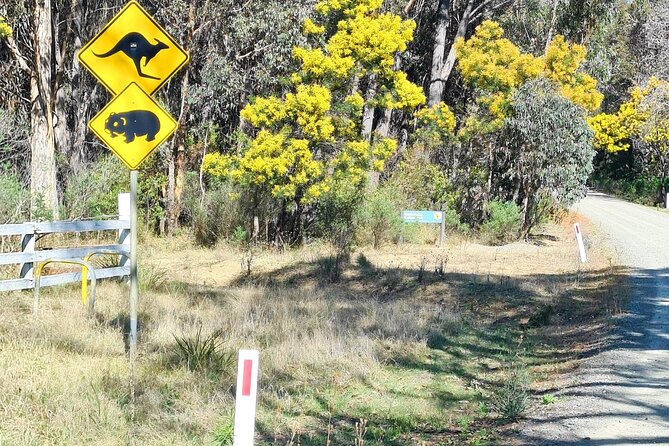
A lot of wildlife tourism stays on public viewing spots. Here, you’re moving through a mix of private farmland and untouched bushland, which changes what you can reasonably spot. You’ll be looking for signs of movement and feeding, not only the animals that are standing still for a photo.
The guiding theme is the Great Western Wildlife Corridor, a habitat link connecting the southern Blue Mountains and Morton National Park. That corridor idea isn’t just a fun fact. It helps you understand why you might see certain species in certain places, and why wildlife doesn’t appear everywhere at once. It also explains the conservation work happening in the region: protecting movement routes so animals can move safely instead of getting cut off.
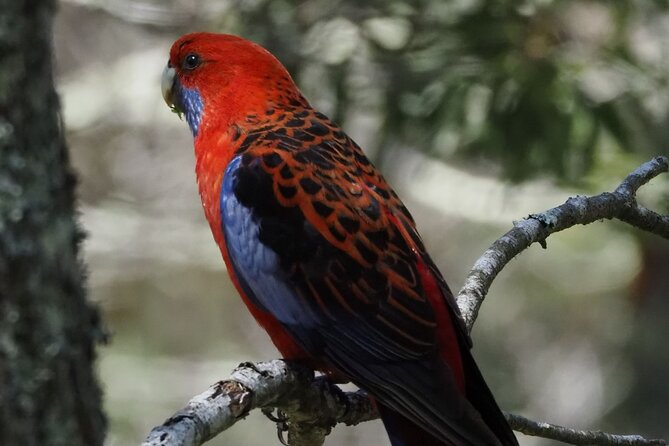
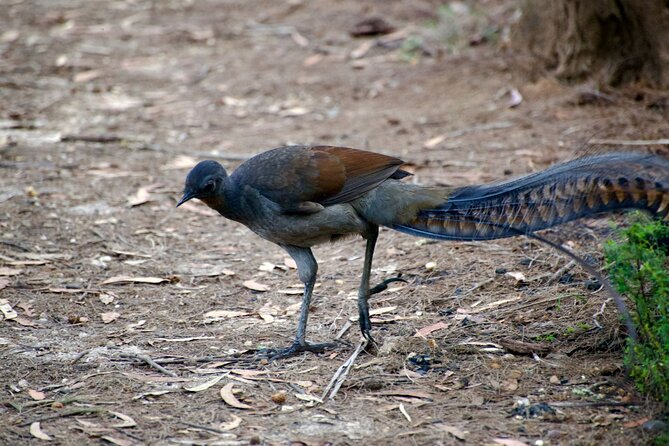
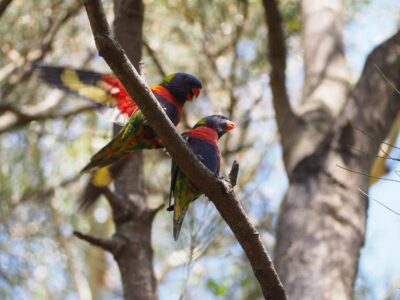
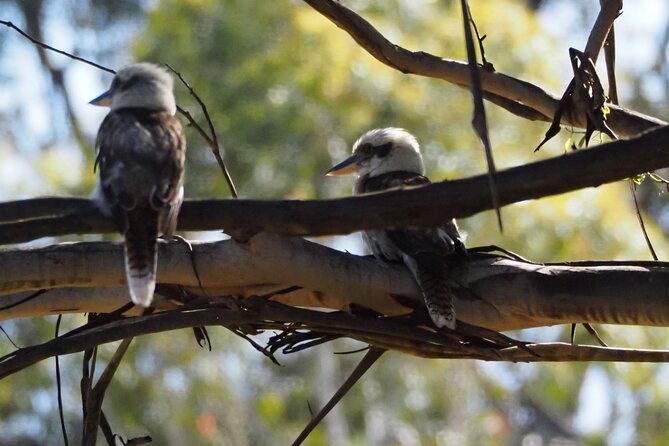
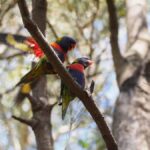
Bird life is a major highlight during the afternoon. Kookaburras are a familiar crowd-pleaser, but you’re also set up to notice smaller flashes of movement—parrots in the trees, and other birds that show themselves more easily when you slow down and scan.
Lunch in Bowral: the part that makes the spotting click
Before you spend more time outdoors, you stop for a light lunch in the Bowral area. It’s described as something like gourmet wraps, which is a practical choice for an active day. You won’t feel heavy, and you’ll be fueled for a long mix of walking, scanning, and waiting.
Then you get a crash-course in wildlife monitoring and tracking—local conservation projects, monitoring programs, and what to look for when animals are harder to spot. This matters because a great wildlife guide isn’t only good at finding things; they’re good at helping you understand what you’re seeing. You learn to read signs, not just search for movement.
You’ll also get guidance on how sightings are recorded. That sounds technical, but it’s actually helpful for your own attention span. When you’re told what to watch for (calls, tracks, feeding areas, likely times), you stop randomly scanning and start observing.
Afternoon spotlighting strategy: kangaroos, wallabies, and birds
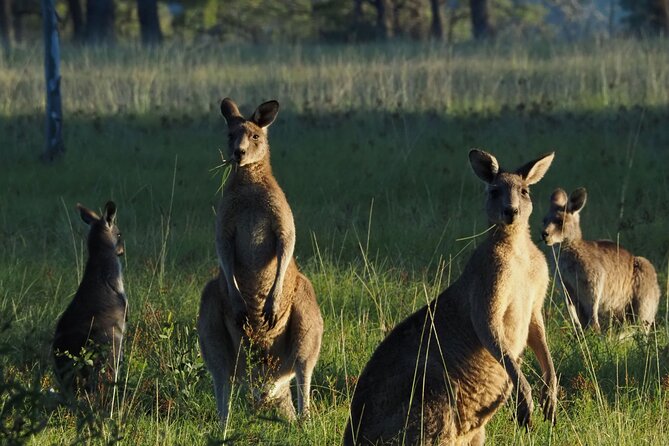
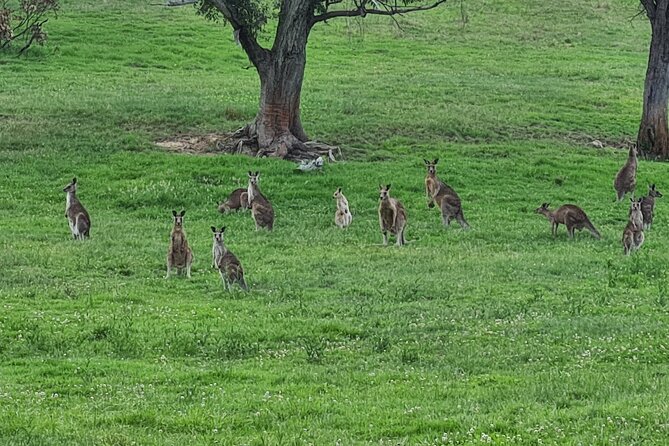
The bulk of your daylight hours are spent wildlife spotting at several locations. This is where the tour earns its reputation for variety—animals that are often scattered across different viewing areas become possible in one day when you have the right local rhythm.
You’re specifically in the mix for kangaroos, wallabies, wombats, and emus, plus a strong birds-and-more list. Even when you don’t see everything, the afternoon still works because you’re taught what to expect and how to improve your chances. The guide’s timing—based on animal behavior and light—helps you focus where the action is more likely.
Binoculars are your best friend here. At a distance, kangaroos and wallabies can look like random shadows. With binoculars, you start noticing posture changes, head movement, and feeding patterns. And because you’re in small group mode, you’re not constantly waiting for someone to stop blocking your view.
Dusk at the river: your real platypus shot
Then comes dusk. You head to a quiet river area for a search for wild platypus. This is the moment most wildlife tours quietly fail, because it’s the hardest animal to reliably see and the conditions have to align. The tour approach is built around patience: calm observation, scanning the water, and using the guide’s sense of when the river is most active.
This is where I’d manage expectations in a healthy way. You’re going for a rare sight, not a guaranteed checkbox. Good weather and the right timing matter, and the tour is set up with that reality in mind.
If you’re the type who gets frustrated waiting in the dark, this part may test your patience. But if you like slow travel moments—the kind where you watch and listen rather than rush—this is the payoff. When it clicks, it feels like you’re seeing something that belongs to the habitat, not a stage set.
Worth lining up next to this Sydney pick:
Dinner at an historic country inn, then night spotlighting
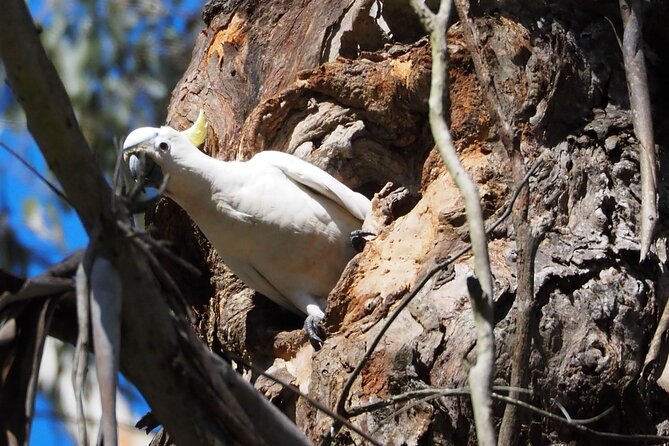
After your river time, you eat dinner at Australia’s oldest licensed inn—a real slice of regional character, not just a convenient stop. Dinner includes a classic country pub meal plus a drink (alcoholic or non-alcoholic), which helps make the long day feel worthwhile rather than like a logistics chore.
Once the sun is down, the tour shifts gears into night spotlighting. This is when you’re searching for wombats, possums, and Tawny Frogmouths, using handheld spotlights and the guide’s spotting skills. Tawny Frogmouths, in particular, are an interesting target because they can blend into tree lines if you’re not sure what you’re looking for.
Spotlighting works best when everyone knows what they’re doing. You’ll be issued the gear, and the guide’s job is to help the group read the scene without turning it into chaos. In other words: you get the thrill of night wildlife without the frustration of random shining.
Wildlife reference guides also come into play here. Even if you spot only part of the day’s targets, you’ll have a way to match what you saw to what it probably was. That makes the experience stick with you long after the drive back to Sydney.
Price and what $304.83 buys you
At $304.83 per person, this isn’t a budget add-on. But for what you get, it’s easier to justify: you’re paying for a full-day plan, dedicated guiding, and specialized equipment that helps you find and identify animals.
The inclusions are the real value drivers:
- A knowledgeable guide with an eye for timing and animal behavior
- Comfortable air-conditioned transport out of the city and back
- A light lunch (like gourmet wraps)
- A country pub dinner with a drink
- Binoculars and handheld spotlights
- Wildlife reference guides
There’s also the practical value of the small group size (max 8). If you’ve ever tried to wildlife-spot with a crowd, you know how quickly it turns into standing still while someone else blocks the view. Here, the format supports better searching.
One more detail: the tour is typically booked about a month in advance. That suggests it’s popular, and it may sell out for your dates—so if you’re serious, don’t treat it like a last-minute whim.
The guide factor: when timing turns a good day into a great one
The guides are a big part of why this safari earns top marks. In the feedback I saw, names like Steve and Emma come up with praise for wildlife know-how and the ability to make the timing work—especially for the harder sightings.
This is important because wildlife spotting isn’t only about luck. The difference between a frustrating day and a memorable one is often when you check a place and how you adjust when animals don’t cooperate. A strong guide helps you recalibrate without killing the mood.
Even if your guide’s name isn’t Steve or Emma, the guiding style matters. You want someone who teaches you while they lead you, who explains what you’re looking at, and who helps you stay calm and focused when the environment is quiet.
Who this safari suits (and who should skip it)
This tour is aimed at people who are comfortable outdoors and okay with a moderate fitness level. You should be able to walk about 1 km (half a mile) at a time, and that includes steep, rough, and sometimes slippery trails and river banks.
So I’d recommend it for:
- You if you enjoy wildlife and you’re okay with waiting quietly
- You if you like learning how conservation and habitat corridors work
- You if you don’t mind night spotting and being outside for long stretches
I’d skip it if:
- You have limited mobility
- You’re not comfortable with uneven ground
- You dislike walking in dim light and on potentially slippery surfaces
One practical note for dinner: alcohol is available with a minimum age of 18, and photo ID may be requested. If you’re not drinking, you can still enjoy the day fully; the dinner also offers a non-alcoholic option.
Should you book Sydney Wildlife Safari?
Book it if your idea of a great day is a small group, real wildlife searching, and the chance at the rare stuff—especially platypus at dusk. The combination of daytime habitat spotting, an evening river search, and night spotlighting makes it feel like one continuous wildlife program rather than a rushed checklist.
Skip it if you’re hoping for an easy, fully seated experience, or if you can’t handle rough and slippery walking. Also, if you’re very weather-sensitive, know this runs best with good conditions; the experience is described as requiring good weather.
If you can manage those points, this safari is a strong value play. The price covers transport, meals, and the gear that helps you see more than just what’s obvious from a roadside.
FAQ
FAQ
How long is the Sydney Wildlife Safari?
It runs for about 10 hours.
Where do we meet, and what time does it start?
You meet at the Sydney Harbour Marriott Hotel at Circular Quay, 30 Pitt St, Sydney NSW 2000. The start time is 12:00 pm, and the activity ends back at the meeting point.
What is included in the tour price?
The price includes an experienced guide, a light lunch (such as gourmet wraps), a classic country pub dinner including a drink (alcoholic or non-alcoholic), binoculars and handheld spotlights, wildlife reference guides, and comfortable air-conditioned transport.
How big is the group?
The tour has a maximum of 8 travelers.
Is the tour physically demanding?
You should have a moderate physical fitness level and be able to walk about 1 km (half a mile) at a time, including over steep, rough, and sometimes slippery trails and river banks. It is not recommended for travelers with limited mobility.
What should I wear or bring?
Wear closed-toe shoes and comfortable clothing for walking, and check the weather forecast for the Southern Highlands region on the day of travel.
Is alcohol included with dinner?
Dinner includes a drink, with options including alcoholic or non-alcoholic. The minimum age to consume alcohol is 18, and photo ID may be requested.
What happens if the weather is poor or too few travelers sign up?
The experience requires good weather. If it’s canceled due to poor weather, you’ll be offered a different date or a full refund. If the minimum number of travelers isn’t met, you’ll be offered a different experience/date or a full refund.
Is it a mobile ticket?
Yes, the tour uses a mobile ticket, and you’ll receive confirmation at the time of booking.
More Safari in Sydney
More Tour Reviews in Sydney
- Blue Mountains Small-Group Tour from Sydney with Scenic World,Sydney Zoo & Ferry
★ 5.0 · 3,709 reviews
Roos, Koalas & Harbour-View Enclosures
- Blue Mountains Small-Group Tour from Sydney with Scenic World,Sydney Zoo & Ferry
★ 5.0 · 3,709 reviews

Fresh off the jetty: more Sydney reviews

Taronga Zoo & Wildlife, compared.
 ★ 5.0Blue Mountains Small-Group Tour from Sydney with Scenic World,Sydney Zoo & FerryFrom $1613,709 reviews
 ★ 4.8Blue Mountain Small Group Scenic World, Wildlife, WaterfallFrom $1483,428 reviews
 ★ 4.7Blue Mountains Adventure: Scenic World, Zoo & Koala PhotoFrom $1442,062 reviews
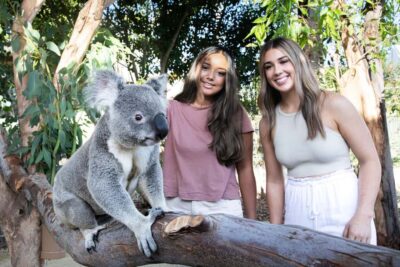 ★ 4.8From Sydney: Blue Mountains, Scenic World, Zoo, & Ferry RideFrom $1391,484 reviews
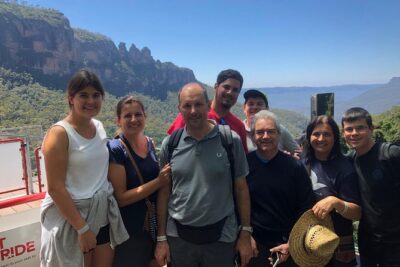 ★ 5.0Blue Mountains: Three Sisters, Scenic World and Wildlife parkFrom $1821,481 reviews
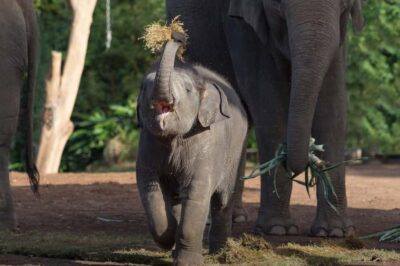 ★ 4.5Taronga Zoo Ticket with Return FerryFrom $551,142 reviews
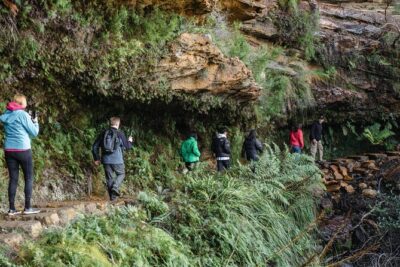 ★ 4.5Exclusive Blue Mountains Wildlife and Bushwalk Tour From SydneyFrom $1351,087 reviews
 ★ 4.3SEA LIFE Sydney Aquarium Entry TicketFrom $311,025 reviews
Browse the lists this tour appears in