
Reviewed · SYDNEY OPERA HOUSE TOURS
Sydney Opera House Architectural Tour
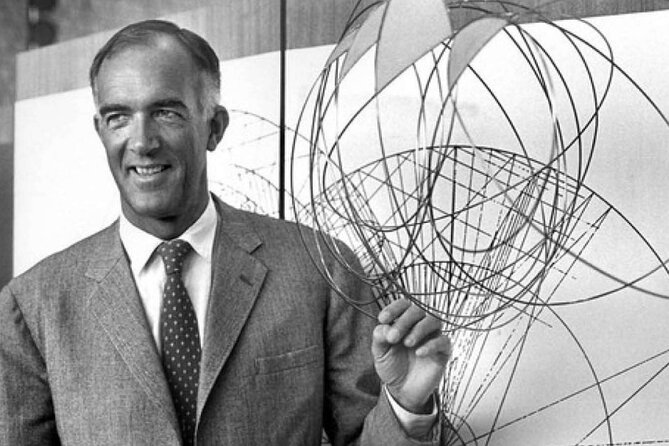
Opera House shells, explained like engineering poetry. This is Sydney Opera House’s first architectural tour, focused on the why and how behind Jørn Utzon’s landmark shapes. You’ll hear how a Danish vision met Australian ambition in the mid-1950s, and how the project’s design ideas turned into real construction.
I particularly love the small group size (up to 9) and the pace that keeps the tour feeling personal, not rushed. I also like that you get inside access moments, including time to sit in the great hall and understand how the building works as a performance space, not just a famous exterior.
One thing to consider: this is a walking tour with up to 300+ stairs, and late arrivals aren’t allowed to join once the tour departs on schedule. If stairs are an issue for you, plan carefully.
In This Review
- Key points to know before you go
- Sydney Opera House Architectural Tour: What you’re buying for $43
- A small group tour that actually works on a busy site
- From Utzon’s Danish vision to Sydney’s mid-century ambition
- How the shells became real: design, materials, and engineering headaches
- The Great Hall moment: where architecture becomes performance space
- Outside views, pacing, and what to photograph
- Stairs, late entry, and venue access: the real logistics that matter
- Who this tour is best for (and who might not love it)
- Should you book the Sydney Opera House Architectural Tour?
- FAQ
- How long is the Sydney Opera House Architectural Tour?
- What does the ticket price include?
- Where does the tour start and when is it offered?
- Is the ticket digital or paper?
- How big is the group?
- Is this tour mostly walking?
- What if I arrive late?
- Is venue access guaranteed for every guest?
- Is the tour near public transportation?
- Can I cancel and get a full refund?
Key points to know before you go
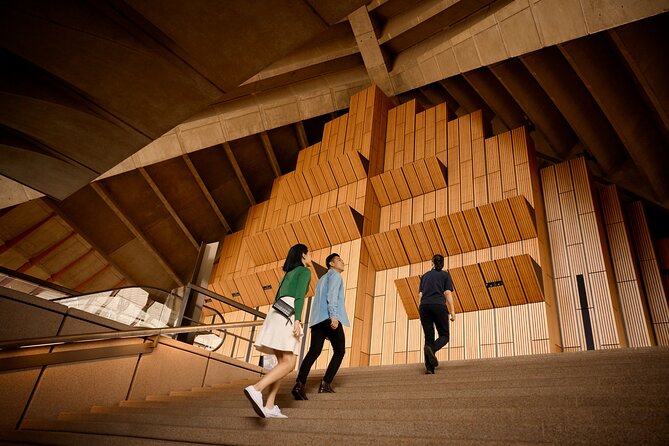
- Up to 9 people, so you hear details and can ask questions without shouting
- Architect-led storytelling, with guides like Peter and Gaston bringing first-hand technical context
- Design plus engineering focus, with explanations for materials and the tricky construction problems
- Great Hall time, so the interior isn’t just a quick peek
- Expect lots of stairs, and arrive early so you’re not caught by check-in and cloaking procedures
- Mobile ticket makes entry easier on the day
Sydney Opera House Architectural Tour: What you’re buying for $43
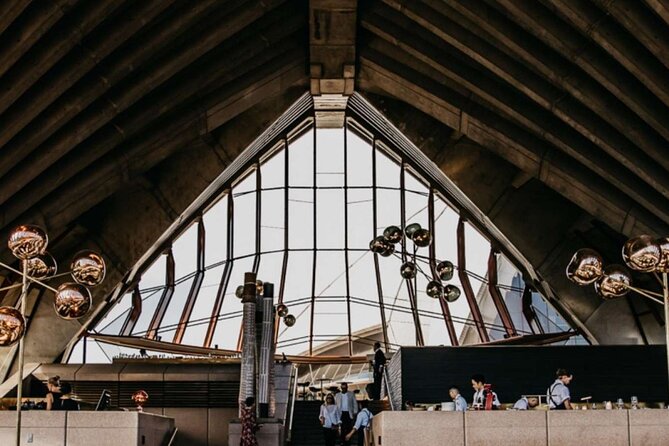
At $43.03, this tour is priced like a “real experience,” not a quick photo stop. The key value is that it’s built around the full story behind the Opera House: design intent, engineering constraints, and the human drama of getting a hard-to-build idea accepted.
The duration is about 1 hour 15 minutes, which matters because the Opera House can swallow your day if you wander without a plan. This tour gives you a tight route and a guided narrative, so you leave with a mental map of how the famous shell forms relate to the technology and planning needed to make them stand.
The other value piece is the included guided tour with admission to the parts you’re allowed to access. That’s important here, because the venue access can vary depending on availability up to tour departure time. Your best outcome comes when you show up on time and ready to move.
More ways onto the steps and inside the sails
- Sydney Opera House Official Guided Walking Tour
★ 4.5 · 3,770 reviews - Sydney: Sunrise Kayak, Opera House & Under Harbour Bridge
★ 5.0 · 869 reviews - Sydney: 1-Hour Opera House Tour with Meal and Drink
★ 4.7 · 546 reviews - Sydney: Great Opera Hits Ticket at the Sydney Opera House
★ 4.7 · 482 reviews
A small group tour that actually works on a busy site
Sydney Opera House is always busy. What makes this tour different is the maximum group size of 9. In practice, that smaller number helps the guide manage the pace, keep explanations clear, and handle questions without turning the walk into a tug-of-war.
You’ll also appreciate the way the tour is structured for hearing and clarity. Many people highlight the help of headsets, which means you’re not stuck straining over other sounds or losing a chunk of the story because you’re a few steps back. Clear audio matters more than it sounds, especially when the guide is explaining technical ideas.
In short: you’re not just looking at architecture. You’re listening to it, with just enough time inside the buildings to connect the story to what you’re seeing.
From Utzon’s Danish vision to Sydney’s mid-century ambition
The tour story starts with the mid-1950s moment when Australia and Jørn Utzon from Denmark reframed what an Opera House could be. You’ll learn how the project began with a sculptural concept for Sydney Harbour—something that helped change the course of twentieth-century architecture.
That context is more than trivia. It changes how you see the building. Without the background, the Opera House can feel like a set of iconic shapes with no explanation for why they look the way they do. With the tour framing it as a design-and-engineering problem, those shells stop being a postcard and start being a feat of problem-solving.
Expect the guide to tie together the different types of people involved—visionaries, idealists, architects, engineers, pragmatists, and artists. That mix is a big deal. Big architecture projects are rarely one person’s dream coming true in a straight line. They’re negotiation, compromise, testing, and repeated problem fixes until the idea can survive the real world.
How the shells became real: design, materials, and engineering headaches
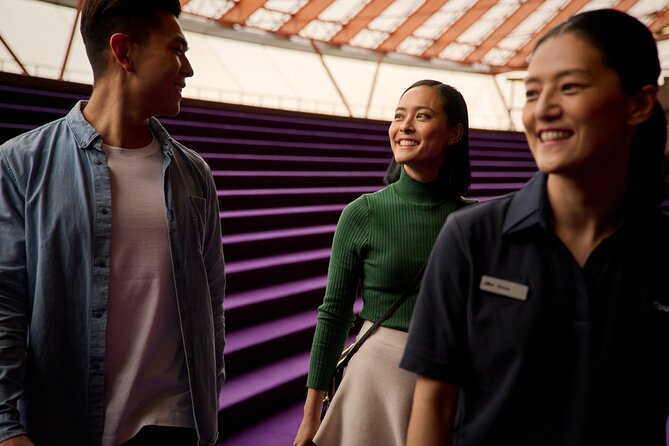
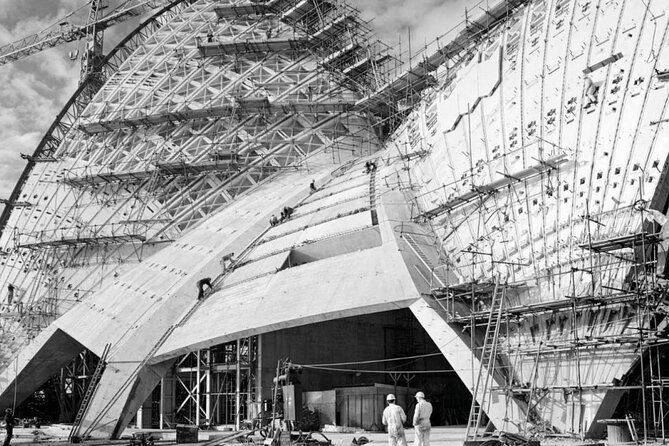
This tour leans hard into the how. People consistently come away talking about the technical narrative: conceptual design through construction, and the difficult engineering aspects that had to be solved to make the shells stand up and last.
You’ll hear about the steps to accepting the design, including the controversy around it and the years it took to complete. That part matters because the Opera House didn’t become iconic overnight. It grew from disagreement into a structure the world recognizes, while dealing with the constraints of the time and the politics around decision-making.
You’ll also get explanations about materials and how they maintain the structure. That kind of detail is useful because it helps you notice what you’re looking at instead of just admiring it. When you understand the relationship between form and engineering, the architecture becomes clearer in the way it holds together—inside and outside.
The Great Hall moment: where architecture becomes performance space
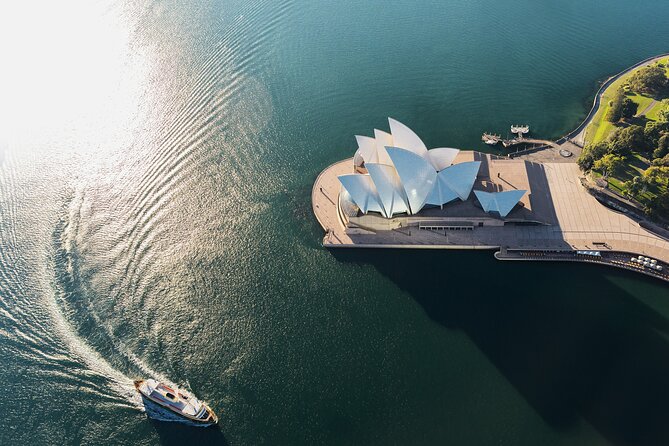
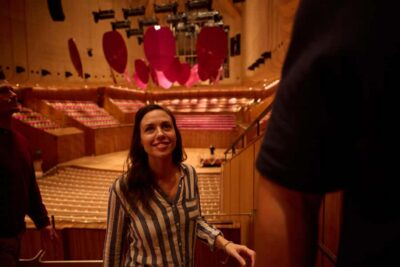
One standout part of this experience is the time to sit in the great hall. This is where the tour stops feeling like a lecture and starts feeling like understanding.
Why this works: you’re not just seeing the shells. You’re experiencing how the interior supports the idea of performance—space, scale, and the way the room holds sound and movement. Even if you’re not an architecture nerd, sitting down for the explanation helps your brain connect the building’s visual drama to its functional purpose.
This is also where the value of the guide shows up. Some guides on this tour include architecture professionals who’ve worked on parts of the project’s interior, such as Peter. When the guide has that kind of technical background, the story tends to be more specific: not only what the building looks like, but why certain choices were made for stability, workflow, or performance needs.
If you like hands-on learning, this is one of the best spots on the itinerary because it forces the architecture into a context you can feel.

Outside views, pacing, and what to photograph
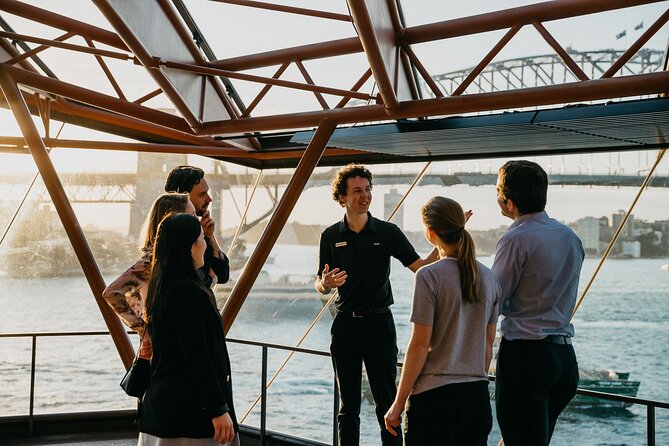
Even though the tour is focused on the story, you will still see the Opera House from outside as part of the walk. The shells, the scale against the harbour setting, and the way the structure changes with your position all help you understand why the building is more than a static monument.
The pacing is important too. People like how the guide sets a clear rhythm even when the group grows to the upper end of the size limit. If you’re trying to take photos, that pacing helps you avoid the “stop-and-shoot chaos” that can happen on larger tours.
One practical tip from the vibe of this tour: go in expecting a mix of walking, standing, and listening. If you treat it like a sightseeing loop with frequent breaks, you’ll feel rushed. If you treat it like a guided architectural walk with photo moments, you’ll get more out of it.
Stairs, late entry, and venue access: the real logistics that matter
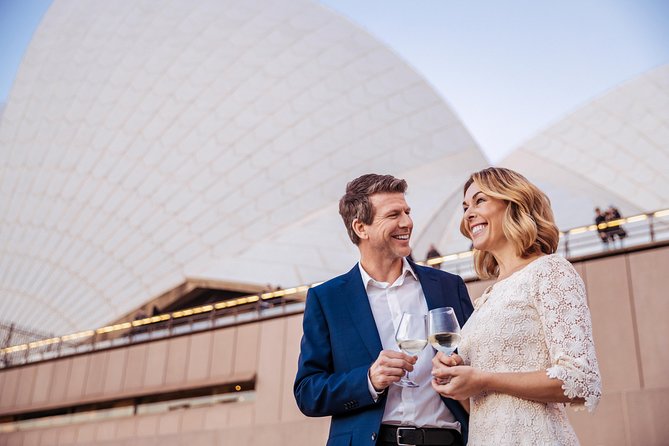
Here’s the honest part: the tour is a walking tour with up to 300+ stairs. That can affect comfort more than you’d think, especially if you’re planning to do more walking around Circular Quay after.
Also, your ability to access specific venue areas can change based on availability up to tour departure time. That’s not something you can control. The best move is to show up early, check in properly, and be flexible about what you’re allowed to enter during your specific slot.
Timing is strict. You’ll need to arrive at the Welcome Centre 15 minutes prior for check-in and cloaking procedures. If you’re more than 5 minutes late, your tour can be forfeited. And if you’re looking at “late arrivals,” the tour won’t wait for you after the scheduled departure.
So, plan your day around this tour, not the other way around. If you schedule it as a last-minute add-on, the Opera House crowds and transit delays can turn a great experience into stress.
Who this tour is best for (and who might not love it)
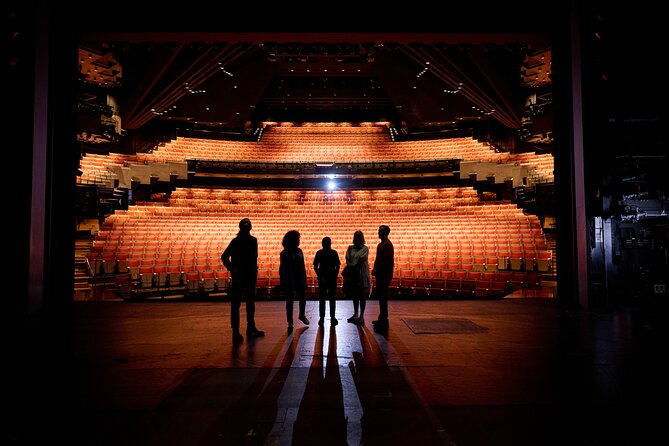
This is a strong fit if you love architecture, design stories, or engineering problem-solving. It’s also great for people who want the Opera House to make sense beyond famous photos.
You’ll likely enjoy it if you:
- like learning how iconic buildings were actually built
- enjoy technical explanations even when they’re kept human
- want a guided route through the Opera House without guessing where to look
It might be less ideal if:
- you struggle with lots of stairs or long periods of walking and standing
- you need a slow, low-structure tour with minimal movement
- you’re likely to arrive late and can’t make the 15-minute early check-in work
A nice bonus: even if you’re not an architecture professional, the tour is described as clear and structured, with guides able to explain the build details in a way you can follow.
Should you book the Sydney Opera House Architectural Tour?
I’d book it if you want the Opera House to click. This tour is built to connect the exterior icon—the shells—with the real construction challenges and the people who had to solve them. It’s also good value for the time because you’re getting guided access and a focused narrative in about 1 hour 15 minutes.
Skip it only if the stairs and timing requirements would make you uncomfortable. If you can handle a stair-heavy walk and you arrive early, this is the kind of tour that turns a must-see landmark into something you understand.
If you’re choosing between a “see it quickly” option and an “explain it properly” option, pick the architectural tour. You’ll come away with a clearer picture of why the Opera House looks the way it does—and what it took to make it stand.
FAQ
How long is the Sydney Opera House Architectural Tour?
The tour lasts about 1 hour 15 minutes.
What does the ticket price include?
The guided tour is included, and admission ticket access is included for the parts the tour allows.
Where does the tour start and when is it offered?
It starts at the Welcome Centre, with a start time listed as 10:00 am.
Is the ticket digital or paper?
The tour uses a mobile ticket.
How big is the group?
The tour has a maximum group size of 9 travelers.
Is this tour mostly walking?
Yes. It’s a walking tour and can include up to 300+ stairs.
What if I arrive late?
Late arrivals can’t join after the scheduled departure time, and you must arrive 15 minutes prior. If you are more than 5 minutes late from the start time, the tour may be forfeited.
Is venue access guaranteed for every guest?
Venue access is subject to availability at the time of your tour and can change up until tour departure time.
Is the tour near public transportation?
Yes, the meeting point is near public transportation.
Can I cancel and get a full refund?
Yes, free cancellation is available. You can cancel up to 24 hours in advance for a full refund.
More Tours in Sydney
- Blue Mountains Small-Group Tour from Sydney with Scenic World,Sydney Zoo & Ferry
★ 5.0 · 3,709 reviews



More Tour Reviews in Sydney
- Blue Mountains Small-Group Tour from Sydney with Scenic World,Sydney Zoo & Ferry
★ 5.0 · 3,709 reviews


Inside the Sails: More Opera House Tours


Fresh off the jetty: more Sydney reviews



Sydney Opera House Tours, compared.
 ★ 4.8Opera House Guided Tour with Entrance TicketFrom $338,312 reviews
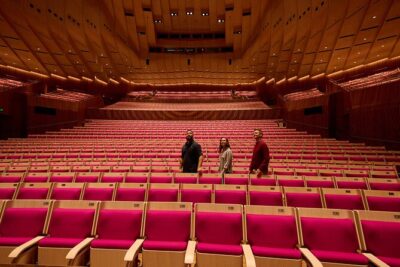 ★ 4.5Sydney Opera House Official Guided Walking TourFrom $343,770 reviews
 ★ 5.0Sunrise Kayak, Opera House & Under Harbour BridgeFrom $126869 reviews
 ★ 4.71-Hour Opera House Tour with Meal and DrinkFrom $62546 reviews
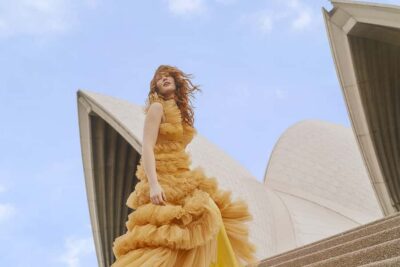 ★ 4.7Great Opera Hits Ticket at the Sydney Opera HouseFrom $52482 reviews
 ★ 4.5Sydney Opera House Tour & Dine ExperienceFrom $63404 reviews
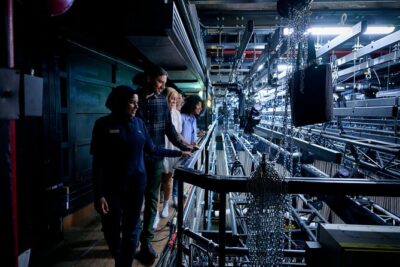 ★ 5.0Sydney Opera House Backstage Guided Tour with BreakfastFrom $142329 reviews
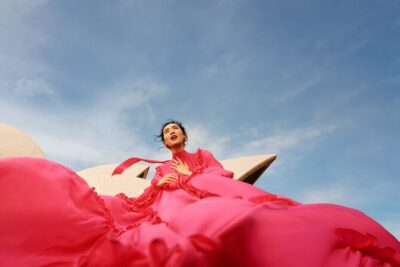 ★ 4.5Opera at the Sydney Opera House Show TicketsFrom $49269 reviews
Browse the lists this tour appears in