
Reviewed · SYDNEY OPERA HOUSE TOURS
Sydney: Eugene Onegin at Sydney Opera House
A love story with teeth. I love the way this Sydney Opera House performance turns Tchaikovsky into pure emotion, and I love the flashback staging that makes every choice feel heavy; just remember the doors close at show time, and late arrivals may not be let in until a suitable pause.
Tatyana starts in a world of romantic stories, quietly waiting for love to finally match her dreams. Then Eugene Onegin walks in, sparks her feelings, and does the exact wrong thing for her heart. The production is Russian with English surtitles, so you get the full vocal power while you track the meaning moment by moment.
This version is led by Kasper Holten, and it leans hard into memory and regret. Conducting is Anna Skryleva (an Opera Australia debut), and the casting includes Lauren Fagan as Tatyana, Andrei Bondarenko as Onegin, and Nicholas Jones as Lensky. One heads-up: the staging includes replica firearms and gunshots.
In This Review
- Key things to know before you go
- Why Eugene Onegin hits harder inside this theatre
- The story, translated into feelings: dream, rejection, and consequences
- Kasper Holten’s flashbacks: how memory becomes part of the music
- The cast and conductor: what to watch for in the vocals
- Lauren Fagan as Tatyana
- Andrei Bondarenko as Eugene Onegin
- Nicholas Jones as Lensky
- Anna Skryleva’s conducting
- Language and surtitles: how to avoid getting lost
- Price and value: is $98 worth an iconic Sydney night?
- Getting there: Circular Quay walking route and what to do at the doors
- Before you sit down: clothing, bags, and cameras
- The interval: planning your break without missing the momentum
- Are the gunshots a deal-breaker?
- A quick guide to enjoying it like a local
- Should you book Eugene Onegin at the Sydney Opera House?
- FAQ
- Is Eugene Onegin performed in English?
- How long is the performance?
- Where do I need to meet?
- Is there a dress code?
- What should I bring?
- Are latecomers allowed into the theatre?
- Are photos or filming allowed?
- Does the show include realistic weapons or gunshots?
Key things to know before you go
- Flashback-driven storytelling shows younger choices that come back to haunt the present
- Tchaikovsky’s score does the emotional heavy lifting under conductor Anna Skryleva
- Lauren Fagan returns to Sydney Opera House after her acclaimed Suor Angelica performance in Il Trittico
- Clear Russian-with-surtitles access helps you follow even if your Russian is zero
- Gunshot moments with replica firearms mean you should be ready for startling effects
- Arrive early so you’re not caught by the no-late-entry rule at door close
Why Eugene Onegin hits harder inside this theatre
The Sydney Opera House already has gravity. You feel it the second you step into the building. Then you add Tchaikovsky’s music, a tragic love plot, and a production concept built around memory, and it’s the kind of night that sticks with you.
What I like most about this evening is how the staging treats romance as something that can’t be paused. Tatyana isn’t just waiting for a love story—she’s living inside one, and when reality arrives, it doesn’t gently correct her. It reshapes her future.
The other big reason it works is the way the Opera House space amplifies everything: the orchestra, the balance of voices, and the way sets and lighting can make the past feel close. If you’ve ever wondered whether opera belongs in a famous landmark, this is a solid answer.
More ways onto the steps and inside the sails
- Sydney Opera House Official Guided Walking Tour
★ 4.5 · 3,770 reviews - Sydney: Sunrise Kayak, Opera House & Under Harbour Bridge
★ 5.0 · 869 reviews - Sydney: 1-Hour Opera House Tour with Meal and Drink
★ 4.7 · 546 reviews - Sydney: Great Opera Hits Ticket at the Sydney Opera House
★ 4.7 · 482 reviews
The story, translated into feelings: dream, rejection, and consequences
Even if you know almost nothing about Pushkin’s tale, you’ll get the emotional map quickly.
Tatyana is a dreamer. Eugene Onegin enters her romantic world like a chapter she didn’t know she was writing, and for a moment it looks like her longing might finally have a name. But Onegin rejects her—coldly, or at least in the way that matters most to her. That rejection doesn’t just hurt; it sets the path.
The opera then focuses on what happens when time turns. The production structure brings back earlier moments, replaying decisions and feelings as if the characters are watching themselves from the outside. That’s where the title concept becomes practical: it’s a journey from what could be to what might have been, and tragedy shows up between those two points.
If you like operas where the emotion changes direction—hope turning into regret—this is a very strong fit. Just know it leans serious. This isn’t a light date-night show.
Kasper Holten’s flashbacks: how memory becomes part of the music
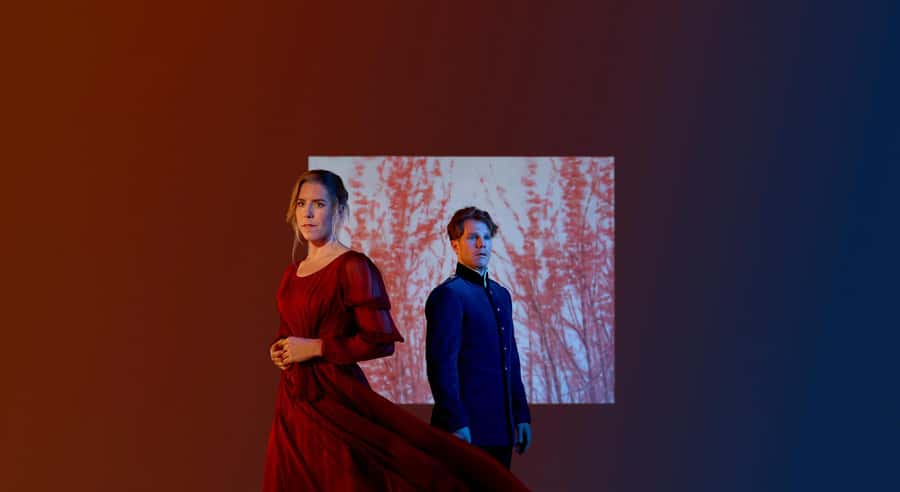
This production puts reminiscence and regret at the center, and it does it with flashback storytelling. You don’t just hear that characters are haunted by the past—you see it pile up.
As the evening continues, you watch younger versions of Tatyana and Onegin make choices that will haunt their later selves. It can feel like the opera is arguing with fate: if you could see the future inside the present, would you change anything?
That concept lands especially well with Tchaikovsky. His melodies are lush, but they’re also loaded with longing. When the staging keeps shifting between then and now, the music reads differently each time. A phrase you heard as romance can suddenly sound like warning. A moment you first took as tenderness can later feel like a turning point you missed.
The result is devastating in the best way. Not slow and vague—focused. The emotional punches arrive when you’re most ready to believe the characters have moved on.
The cast and conductor: what to watch for in the vocals
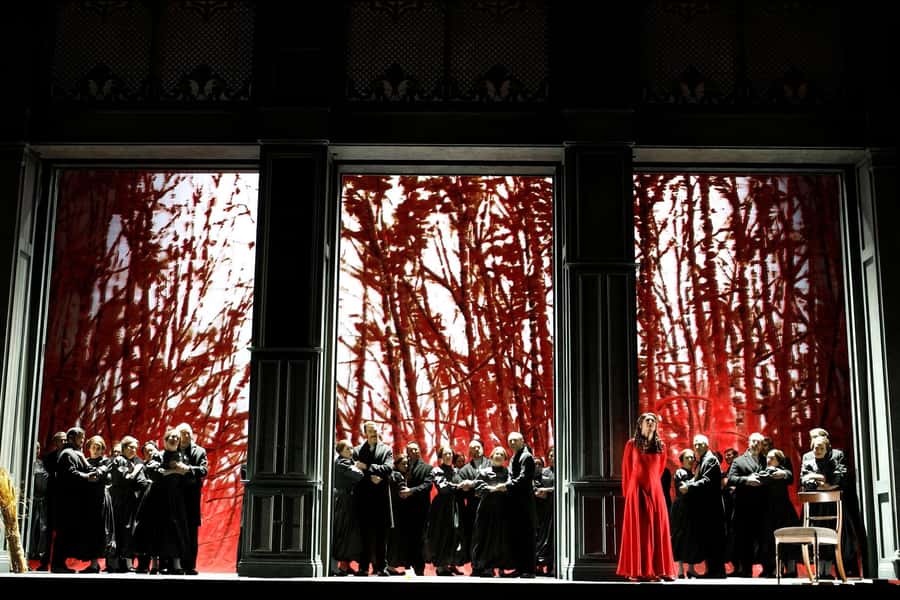
Opera is a team sport. This one has a lineup that gives you real reasons to pay attention.
Lauren Fagan as Tatyana
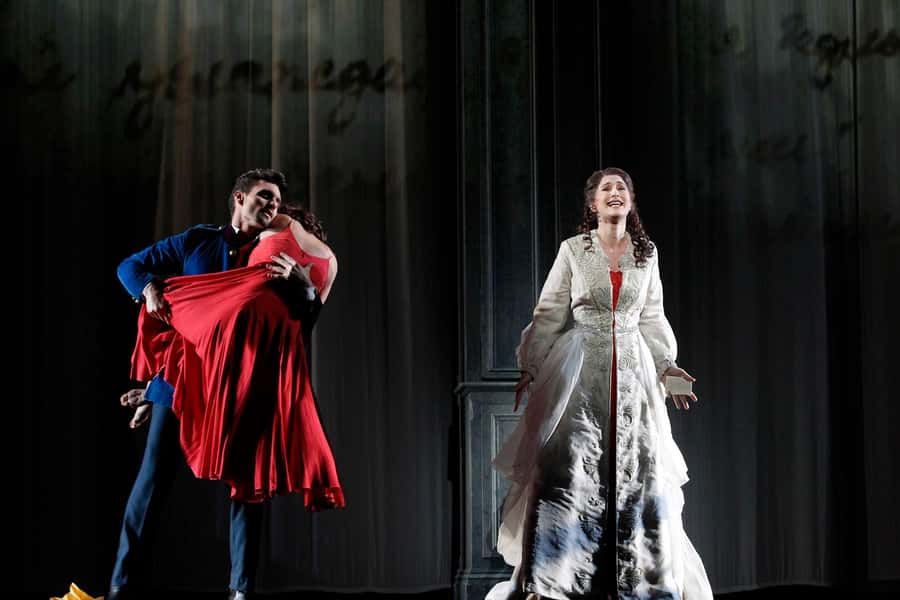
Lauren Fagan makes a triumphant return to the stage, following her unforgettable performance as Suor Angelica in Il Trittico. In Eugene Onegin, the challenge is huge: Tatyana must feel both dreamy and intensely human. You need to buy her vulnerability, her hope, and then the weight of what follows.
If you care about acting as much as singing, this is the place to lean in. The flashback approach means you’re watching Tatyana at different ages, with different emotional distances from the same wound.

Andrei Bondarenko as Eugene Onegin
Onegin’s role isn’t just about charisma. It’s about how his choices ripple forward. You’ll want to listen for the tension between control and regret—the kind of conflict that can make a character seem both compelling and dangerous.
Nicholas Jones as Lensky
Lensky often brings sharpness to the story’s emotional balance. He’s part of what makes Onegin’s rejection feel more consequential, because Lensky helps define the kind of world Onegin rejects and later faces.
Anna Skryleva’s conducting
Anna Skryleva makes an exciting Opera Australia debut as conductor. With Tchaikovsky, the orchestra can sound either glossy or emotionally precise, depending on pacing and balance. This staging leans on emotion, so you’ll likely notice how the music shapes the meaning of each memory shift.
Language and surtitles: how to avoid getting lost
The performance is in Russian, with English surtitles. That’s a normal setup at top opera houses, but it matters here because the story runs on motivation and regret.
My advice: don’t try to read every subtitle like a book page. Use them to confirm what the characters are deciding or feeling, then let the singing lead the emotional interpretation. If you’re focused on the storyline only, Tchaikovsky can start to feel like background music. If you let the music carry the mood, the subtitles become a guide rail.
Also, because the production uses flashbacks, you’ll want to stay oriented. Watch for shifts in scene and staging style, not just the words on the screen.
If you’re bringing someone new to opera, this language setup is a good sign. You can follow the meaning while still enjoying the full, original vocal sound.
Price and value: is $98 worth an iconic Sydney night?
$98 per person isn’t cheap, but it’s also not outrageous when you’re talking about the Sydney Opera House and a major Opera Australia production of a celebrated Tchaikovsky work.
Here’s the value math I’d use:
- Duration: about 170 minutes including an interval, so you’re getting a full evening, not a short event.
- Venue: this is the Sydney Opera House. Even if you’re not an opera die-hard, the setting is part of the experience.
- Production level: Kasper Holten’s memory-based approach and the casting make it feel like a major artistic event.
- Music: Tchaikovsky’s score is the engine. When the production emphasizes reminiscence and regret, the music has room to land.
What could make it not worth it is if you strongly prefer comedy or light entertainment. This opera leans tragic, and the staging is built to make those consequences sting.
Also, one thing to double-check on your confirmation: the listed included item mentions a ticket to Sunset Boulevard. Your confirmation should clearly state which performance you’re attending and on what date. Don’t assume it’s a double-show package without verifying the details on your ticket.
Getting there: Circular Quay walking route and what to do at the doors
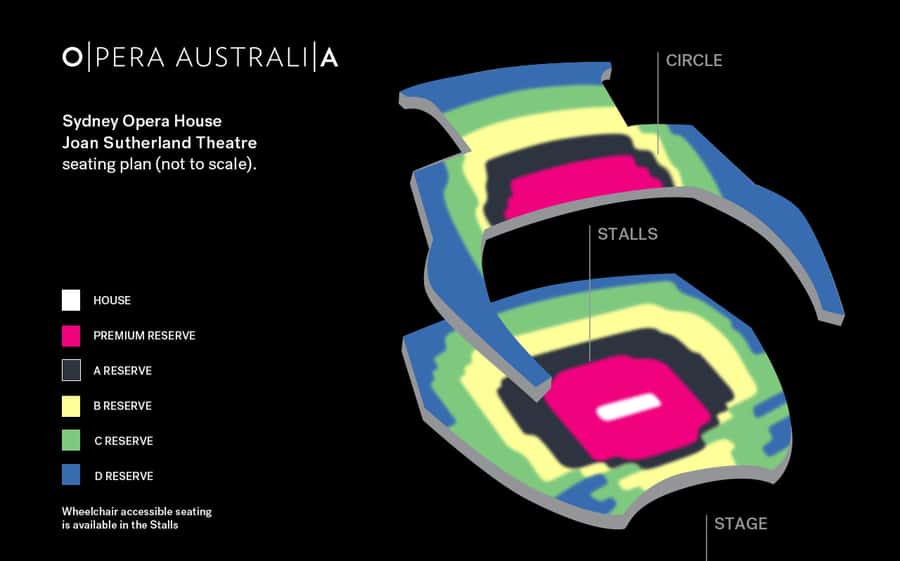
The show’s meeting point is Joan Sutherland Theatre, Level 1 inside the Opera House. The good news: transportation is easy.
- Many buses and trains and all ferries stop at Circular Quay
- From Circular Quay, it’s about a 10-minute walk to the Sydney Opera House
- Taxis drop off at the roundabout at the end of Macquarie Street, and you can usually get one from the taxi stand at the end of Macquarie Street after performances
What matters most is timing. Ushers will close the doors at show time. Latecomers may not be allowed in until an appropriate pause happens. So you’re better off treating this like a train: arrive early, get settled, then relax.
If you want a smoother start, aim to be inside the building with time to spare. Opera evenings can look easy from outside, but once you’re inside, there’s always a quick scramble for seats, cloakroom items, and finding the right corridor.
Before you sit down: clothing, bags, and cameras
This is one of those places where small rules prevent big annoyance.
- There’s no mandatory dress code, but bring an extra layer if you tend to get cold in theatres.
- Any item larger than an A4 sheet (21cm x 30cm) must be cloaked. The cloakroom is free.
- Photography, sound recording, and any filming aren’t permitted during the performance. You can take photos before and after, and at the interval.
If you’re traveling light, you’ll thank yourself. Big bags mean cloakroom time, and cloakroom time can mean more stress if you cut it close.
Also, bring a passport or ID card. It’s listed as required.
The interval: planning your break without missing the momentum
The running time is approximately 2 hours and 50 minutes, including one interval. That means the interval is built into the experience, not tacked on to stretch your legs.
Because the production is emotionally intense and memory-heavy, use the interval to reset your focus—water, a quick breath, then back to listening. Don’t treat it like a social break where you chat through the next section. You’ll want to stay connected to the story as the memories continue to stack up.
Are the gunshots a deal-breaker?
This production includes replica firearms and gunshots. If you’re sensitive to sudden noises or staged action effects, it’s worth taking seriously.
Opera can be surprisingly theatrical, and this one leans into the drama with props and sound. The practical move: decide ahead of time whether those effects are okay for you. If you’re unsure, consider sitting where you feel comfortable, and give yourself a little extra time to settle before the show begins.
A quick guide to enjoying it like a local
If you want the best experience, focus on three things as the night starts:
- Listen for emotional shifts rather than just plot points.
- Use surtitles to stay oriented, not to track every word like schoolwork.
- When flashbacks appear, treat them like a musical argument. The past is not just recap; it changes what you think you already know.
Also, if this is your first time at the Opera House, enjoy the building as part of the show. Make a moment of the walk in from Circular Quay, then let the theatre do its work once you’re seated.
Should you book Eugene Onegin at the Sydney Opera House?
Book it if you want:
- a major Opera Australia production in a world-famous venue
- Tchaikovsky’s music at full emotional power
- a production concept built around memory, regret, and the consequences of choices
- Russian opera with English surtitles (so you don’t lose the plot)
Skip it or think twice if:
- you strongly dislike tragic stories
- you arrive late often (doors close at show time)
- you’re very sensitive to sudden audio effects, since replica firearms and gunshots are included
If you’re aiming for one standout Sydney night that feels undeniably local and artistically serious, this is a strong pick. Just plan your timing, respect the house rules, and be ready for an opera that doesn’t let go.
FAQ
Is Eugene Onegin performed in English?
No. It’s performed in Russian with English surtitles.
How long is the performance?
The duration is about 170 minutes, including one interval (running time is approximately 2 hours and 50 minutes).
Where do I need to meet?
You’ll meet at Joan Sutherland Theatre, Level 1, Sydney Opera House.
Is there a dress code?
There’s no mandatory dress code, but it’s smart to bring an extra layer for comfort.
What should I bring?
Bring a passport or ID card.
Are latecomers allowed into the theatre?
Ushers close the doors at show time, and latecomers may not be allowed in until there is an appropriate pause.
Are photos or filming allowed?
No photography, sound recording, or filming is permitted during the performance. Photos are allowed before and after, and at the interval.
Does the show include realistic weapons or gunshots?
Yes. The production features replica firearms and gunshots.
More Tour Reviews in Sydney
- Blue Mountains Small-Group Tour from Sydney with Scenic World,Sydney Zoo & Ferry
★ 5.0 · 3,709 reviews


Inside the Sails: More Opera House Tours


Fresh off the jetty: more Sydney reviews

Sydney Opera House Tours, compared.
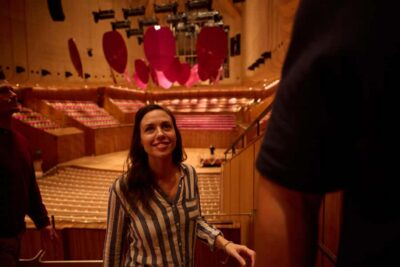 ★ 4.8Opera House Guided Tour with Entrance TicketFrom $338,312 reviews
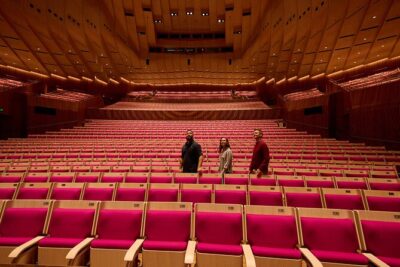 ★ 4.5Sydney Opera House Official Guided Walking TourFrom $343,770 reviews
 ★ 5.0Sunrise Kayak, Opera House & Under Harbour BridgeFrom $126869 reviews
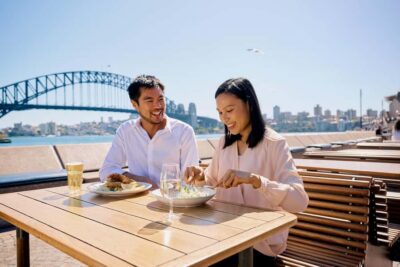 ★ 4.71-Hour Opera House Tour with Meal and DrinkFrom $62546 reviews
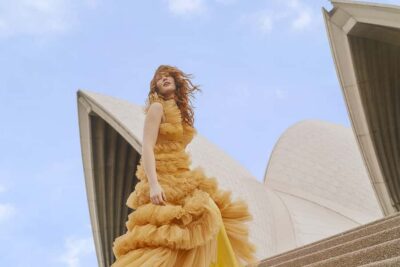 ★ 4.7Great Opera Hits Ticket at the Sydney Opera HouseFrom $52482 reviews
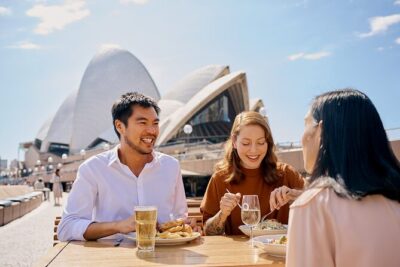 ★ 4.5Sydney Opera House Tour & Dine ExperienceFrom $63404 reviews
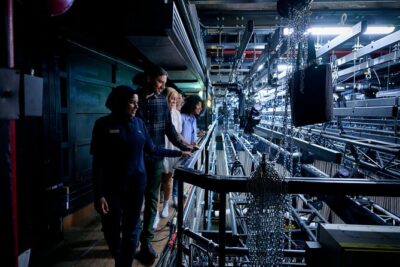 ★ 5.0Sydney Opera House Backstage Guided Tour with BreakfastFrom $142329 reviews
 ★ 4.5Opera at the Sydney Opera House Show TicketsFrom $49269 reviews
Browse the lists this tour appears in