
Reviewed · TALL SHIP & SAILING CRUISES
Learn to Sail on Sydney Harbour: Australian Sailing Start Crewing
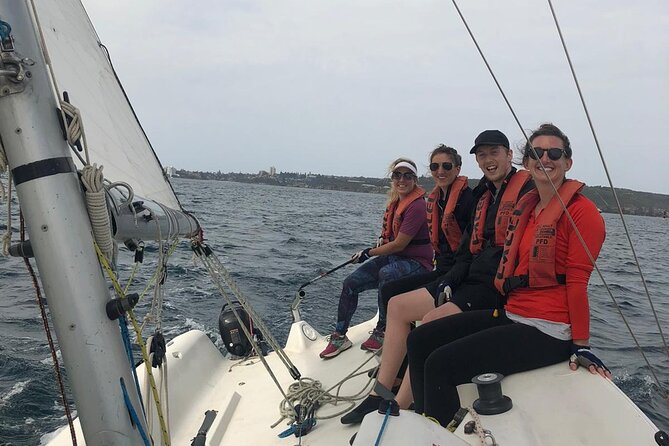
Sydney Harbour teaches you fast. On this Start Crewing course, you learn real crew duties up close, from sailing safety and terminology to hands-on skills like basic knots, tacking and gybing, and man overboard recovery. I also like that the training isn’t just classroom talk: in a small group (max 4) with an Australian Sailing-qualified instructor such as Finn or Craig, you sail toward the Harbour Bridge and back while learning the rules for boat traffic. One thing to plan for: there’s no lunch included and no hotel pickup, so you’ll want a simple morning routine to get to Manly Yacht Club and eat between lessons.
The format is two lessons of about 6 hours each, totaling a 12-hour course. You don’t need prior sailing experience, and you’ll be supplied with life jackets and sunscreen, though they still ask you to bring sun cream too. They’re also practical about conditions, and you may be contacted to shift the start time if the wind is expected to build later.
In This Review
- Key Points That Matter Before You Go
- Why Start Crewing Turns You Into Useful Crew
- Manly Yacht Club and the 9:00 AM Start: Smooth Logistics Wins
- What the 12 Hours Covers (Without Pretending You’ll Learn Everything)
- Sailing in Sydney Harbour: Bridge Views With Real Rules
- Instructors: Patient Coaching You Can Ask Questions With
- What to Bring: Sun-Safe Deck Time (And One Minor Clothing Twist)
- Price and Value: What $426.76 Buys You in Manly
- Who This Course Fits Best (And Who Might Want to Think Twice)
- Should You Book Start Crewing? My Decision Guide
- FAQ
- What is the duration of the course?
- Where does the course start?
- What time does it start?
- Is prior sailing experience required?
- How many people are in the group?
- What sailing skills and topics will I learn?
- What equipment is provided?
- What should I bring?
- Is lunch included?
- Is transportation included?
- Does the course run in bad weather?
Key Points That Matter Before You Go
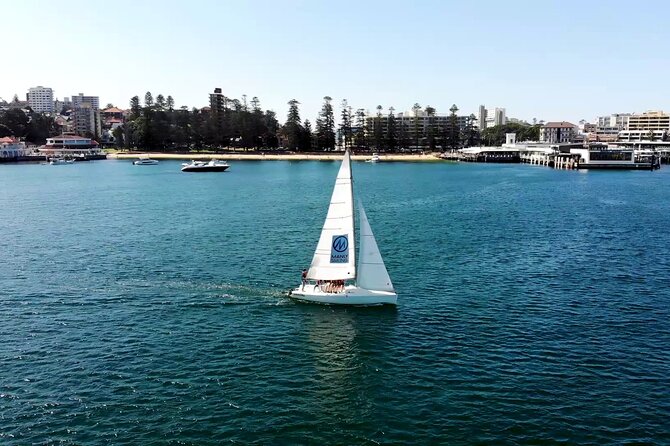
- Small group crewing (max 4): more hands-on time, less waiting around.
- Australian Sailing-qualified instructors: safety and boat handling taught in a structured way.
- Bridge-area sailing: you practice skills while thinking about Harbour traffic rules.
- Core basics, not filler: knots, terminology, tacking, gybing, and man overboard recovery.
- Manly setting: you learn in one of Sydney’s best sailing areas, not a random backwater.
- Bring sun-safe gear: you’ll be in the sun for long stretches, even if you move around on the deck.
Why Start Crewing Turns You Into Useful Crew
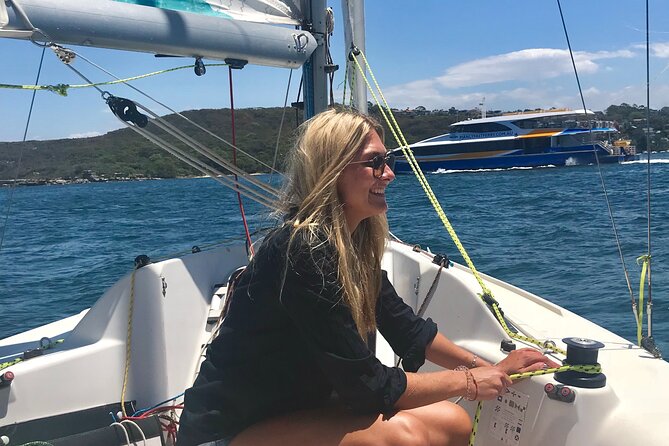
If you’re new to sailing, the hardest part is learning what matters when things get busy. This course is designed as the first step in a keelboat training pathway, so it focuses on the stuff you’ll actually use as a crew member: how to move on the boat safely, how to handle basic tasks, and how to understand what the skipper is asking for.
You also get taught the “language” of sailing—basic terminology and rules—so you’re not nodding along like you understand, while secretly guessing. That matters on Sydney Harbour, where other vessels are part of the picture. One of the most practical parts for me is that you learn traffic rules in the real environment of the Harbour Bridge area, instead of only hearing about them in theory.
Hands-on recovery training is another big deal. You cover man overboard recovery, plus safety and sailing theory. Even if you never have a real emergency, having your body and brain rehearse the sequence makes you calmer later. Several people highlight that they felt safe and confident by the end, and that’s the point of practicing the fundamentals properly.
More time under sail on the harbour
- Sydney Harbour Tall Ship Twilight Dinner Cruise
★ 4.5 · 451 reviews - Sydney Harbour: Tall Ship Afternoon Cruise
★ 4.6 · 412 reviews - Sydney: Discovery Whale Watching Tour by Catamaran
★ 4.2 · 402 reviews - Sydney: Tall Ship Harbour Twilight Dinner Cruise
★ 4.4 · 342 reviews
Manly Yacht Club and the 9:00 AM Start: Smooth Logistics Wins
You meet at Manly Yacht Club, E Esplanade, Manly NSW 2095, with a start time of 9:00 am. The operator notes it’s near public transportation, which is helpful if you’re coming from elsewhere in Sydney and don’t want to burn time on parking.
No hotel pick-up is included. That’s not a dealbreaker, but it does affect how you plan your morning. If you’re staying in the city, I’d treat Manly as its own day-trip neighborhood: get yourself there, grab water and food if you need it, and arrive a few minutes early so you’re not rushing when you should be listening.
Group size is kept small—maximum of 4 travelers—and that’s a real advantage for beginners. With fewer people onboard during training moments, you tend to get more direct instruction and more chances to physically practice tasks rather than just observing.
Also note the course uses a mobile ticket, and service animals are allowed. If you’re traveling with an animal, it’s worth confirming anything specific you need for boarding comfort, but at least you’re not starting from a hard “no.”
What the 12 Hours Covers (Without Pretending You’ll Learn Everything)
This is a 2-day course, about 12 hours total, split into two lessons around 6 hours each. The training is built around foundational crewing tasks and essential knowledge, and the course is clear that no experience is necessary.
Over the full course, you should expect to cover:
- Familiarizing yourself with the vessel and crew responsibilities
- Boat handling basics on a small keelboat
- Safety procedures and sailing theory basics
- Sailing terminology and rules
- Basic knots
- Tacking and gybing
- Man overboard recovery
That list is exactly what beginners need to feel like they’re not “just tagging along.” You’ll be learning how to assist the skipper and how to make sense of what’s happening on deck. The best part is the blend: a bit of theory so you understand the why, then practice so you learn the how.
One practical consideration: the course notes a moderate physical fitness level. You’re moving around on a boat, using your arms for lines and deck work, and dealing with the reality of being outdoors and on your feet. If you have mobility limits or health concerns, it’s worth thinking through whether you can comfortably spend several hours per day on deck.
Sailing in Sydney Harbour: Bridge Views With Real Rules
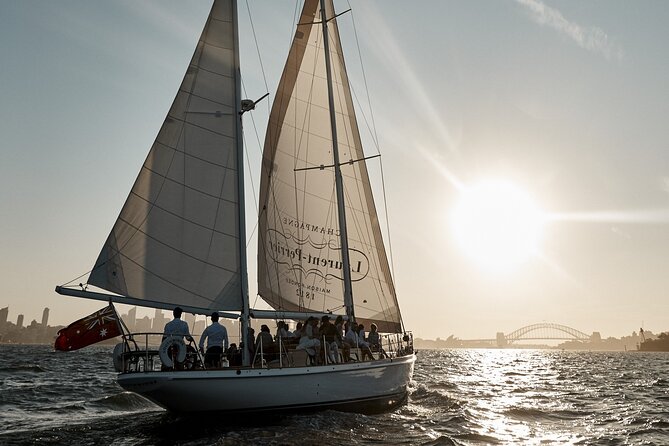
The action centers on Sydney Harbour. You’re not stuck in a tiny training zone. You sail toward the Harbour Bridge area and then return, and the focus is on applying rules and seamanship thinking in that busy waterway.
This is where the course feels more valuable than many “intro” experiences. Learning tacking, gybing, and basic crew tasks is one thing. Learning how those tasks fit into the flow of Harbour traffic is where you start to understand the bigger picture—who has right of way, how you think about movement and positioning, and how communication keeps everyone safe.
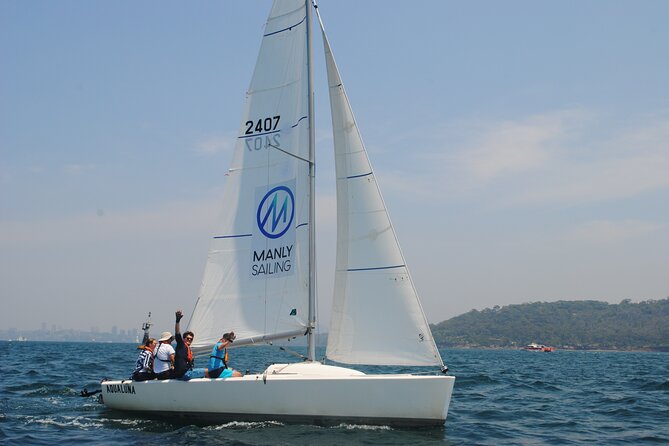
Also, the boat used in similar weekend training is referred to as Aqualuna, and people specifically call the boat great. You can treat that as a positive sign about comfort and functionality, but the key point for you is what it enables: a proper training platform for handling skills without you needing prior experience.
You might also catch wildlife. One message mentions dolphins when they go out, so while nothing is guaranteed, the Harbour can be an excellent place to share time with the local marine life as you practice.
Instructors: Patient Coaching You Can Ask Questions With
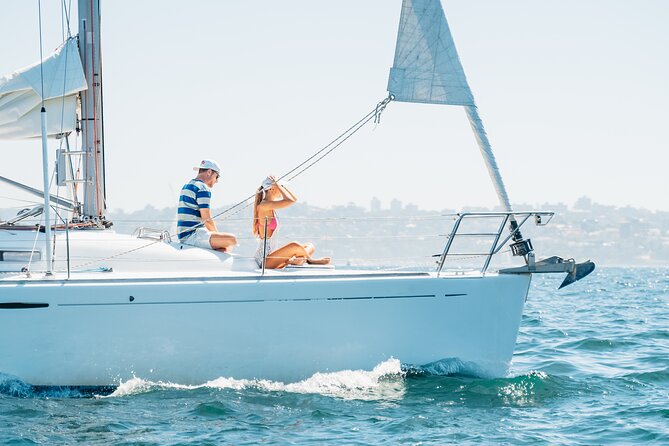
A sailing course lives or dies on the instructor style. This one is built with Australian Sailing-qualified instructors, and the feedback you’ll see for people like Finn, Craig, and Issy/Izzy is consistent: clear teaching, lots of patience, and a tone that helps beginners ask questions without feeling silly.
Finn, for example, gets singled out as someone who made people feel safe while still keeping the experience genuinely fun. Craig is also praised for thorough, patient coaching, including walking through the basics in theory before heading out. Issy/Izzy is mentioned as friendly and knowledgeable, and as someone who kept training engaging while still packing in a lot of information.
One small detail that signals good operations: if wind conditions are expected to change, they may contact you to adjust the start time so the session works with the weather. That’s the kind of practical decision that improves learning and comfort—because sailing lessons are all about timing.
More hours afloat on Sydney Harbour

What to Bring: Sun-Safe Deck Time (And One Minor Clothing Twist)
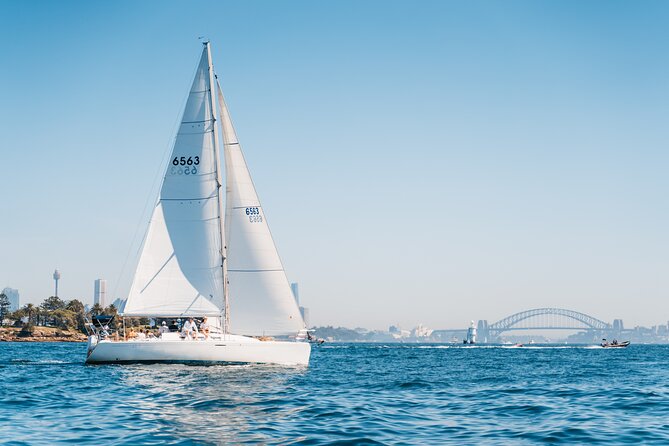
They supply life jackets and sunscreen, and they also give reminders to bring the right items. Since they both say they supply sunscreen and also ask you to bring sun cream, I’d pack your own anyway. Sunscreen runs out, and you’ll be in the sun for hours.
Here’s what you should bring:
- Sun-safe clothing (light layers you’re comfortable moving in)
- Sun cream (bring your preferred brand)
- Non-marking shoes for the deck
- A bottle of water
- Lunch, since lunch isn’t included
If you want to keep this easy, think of it like a long outdoor workout with a wet, moving platform. You’ll be safer and happier if your shoes grip well and your clothes cover you enough to avoid a sunburn that ruins the rest of your day.
And yes—take their guidance seriously on non-marking shoes. Boats and docks care about scuffs and slip risk, and the deck crew will appreciate you following the rules.
Price and Value: What $426.76 Buys You in Manly
At $426.76 per person for about 12 hours over 2 days, this isn’t a cheap activity. But the value is in the combination: professional instruction, necessary equipment, and a tight class size that supports hands-on learning.
You’re paying for:
- Australian Sailing-qualified coaching
- Equipment and safety gear (including life jackets)
- Time on Sydney Harbour in a real training context
- A structured curriculum that covers the basics of crewing, not just a boat ride
The fact that this course is commonly booked well in advance (it’s often reserved about 181 days ahead) suggests demand is strong. That usually means people find the experience worth planning for—especially if you’re aiming to build sailing skills step-by-step rather than dabble once.
One cost reality: lunch, transport to and from the attraction, and hotel pickup/drop-off aren’t included. So plan a simple add-on budget for food and getting to Manly Yacht Club. If you already live near Manly or you can use public transportation, your overall cost stays more reasonable.
Who This Course Fits Best (And Who Might Want to Think Twice)
This is ideal if:
- You’re a complete beginner with no sailing background
- You want to build a foundation for future keelboat training
- You like learning by doing, not only watching
- You want a small group experience with direct instructor attention
- You’re excited about sailing in the Harbour Bridge area with practical traffic-rule learning
It may be less ideal if:
- You can’t comfortably stand and move on a boat for extended periods (the course requests moderate physical fitness)
- You need door-to-door transport and aren’t comfortable arranging your own way to Manly
- You’re expecting meals included (they aren’t)
This course also works well for families. One example involved taking a son for a first sailing experience, and both had a great time. The key is that kids and adults alike can benefit from structured safety coaching and patient instruction.
Should You Book Start Crewing? My Decision Guide
I’d book this if you want your first sailing experience to be skill-based, not just scenic. The best reason to choose it is the training focus: you practice core crew tasks, learn safety procedures and rules, and you do it with an instructor who’s trained to teach beginners.
I’d also book it if you’re heading to Sydney and want to spend your time in a place that feels like part of the city, not a tourist bubble. Manly and Sydney Harbour give you the right setting—big water views, real-world conditions, and the Harbour Bridge area as your training backdrop.
Hold off only if logistics are a dealbreaker for you. Because there’s no pickup and no lunch included, you need to show up prepared. If you’re good at simple planning (food, water, sun gear, non-marking shoes, and getting to Manly by 9:00 am), this course is a smart first step.
FAQ
What is the duration of the course?
The course is about 2 days, totaling 12 hours. It’s split into two lessons of about 6 hours each.
Where does the course start?
You start at Manly Yacht Club, E Esplanade, Manly NSW 2095.
What time does it start?
The start time is 9:00 am.
Is prior sailing experience required?
No. The course states that no experience is necessary.
How many people are in the group?
The course has a maximum of 4 travelers.
What sailing skills and topics will I learn?
You’ll cover basic sailing terminology and rules, basic knots, tacking and gybing, and man overboard recovery, along with vessel familiarisation, safety, and sailing theory.
What equipment is provided?
Life jackets are provided, and the course also states it supplies sunscreen.
What should I bring?
Bring sun-safe clothing, sun cream, non-marking shoes, and a bottle of water. Lunch is recommended since it isn’t included.
Is lunch included?
No, lunch is not included.
Is transportation included?
Hotel pickup and drop-off, and transport to and from the activity, are not included.
Does the course run in bad weather?
The experience requires good weather. If it’s canceled due to poor weather, you’ll be offered a different date or a full refund.
More Hours on Sydney Harbour




More Tour Reviews in Sydney
- Blue Mountains Small-Group Tour from Sydney with Scenic World,Sydney Zoo & Ferry
★ 5.0 · 3,709 reviews





Under Sail on Sydney Harbour




Fresh off the jetty: more Sydney reviews



Tall Ship & Sailing Cruises, compared.
 ★ 4.5Sydney Harbour Tall Ship Twilight Dinner CruiseFrom $63451 reviews
 ★ 4.6Sydney Harbour: Tall Ship Afternoon CruiseFrom $48412 reviews
 ★ 4.2Discovery Whale Watching Tour by CatamaranFrom $63402 reviews
 ★ 4.4Tall Ship Harbour Twilight Dinner CruiseFrom $77342 reviews
 ★ 4.5Sydney Harbour Tall Ship Afternoon Discovery CruiseFrom $49293 reviews
 ★ 4.4Sydney Harbour: Tall Ship Vivid Dinner CruiseFrom $65272 reviews
 ★ 4.8Sydney Harbour: Sunset Catamaran CruiseFrom $41261 reviews
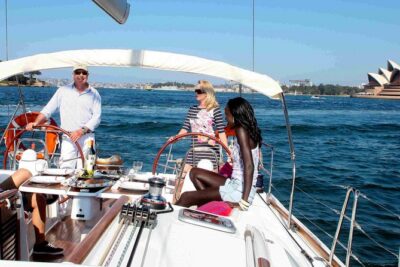 ★ 5.0Luxury Sailing Cruise on Sydney Harbour with LunchFrom $251171 reviews
Browse the lists this tour appears in