Reviewed · SYDNEY
From Sydney: Tandem Skydive Experience over Beach
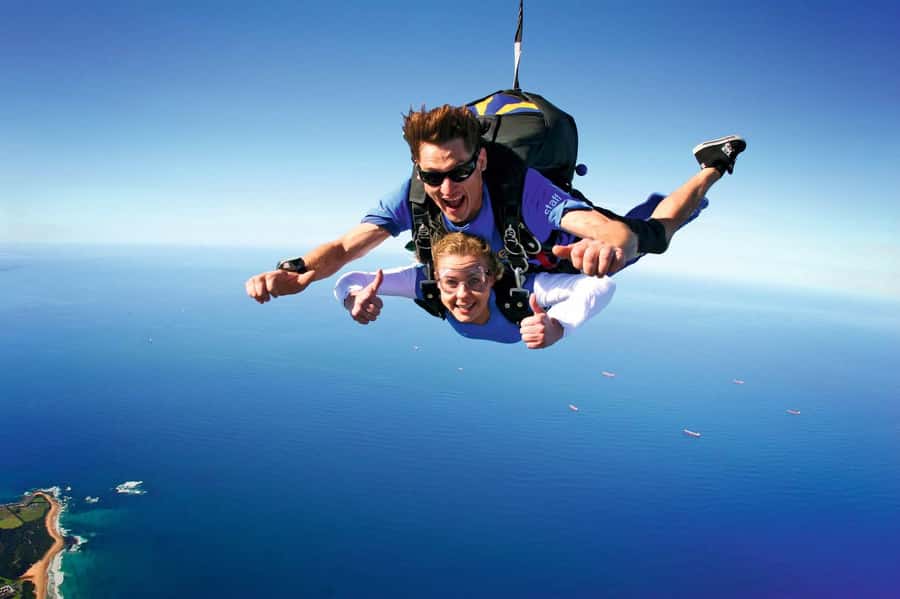
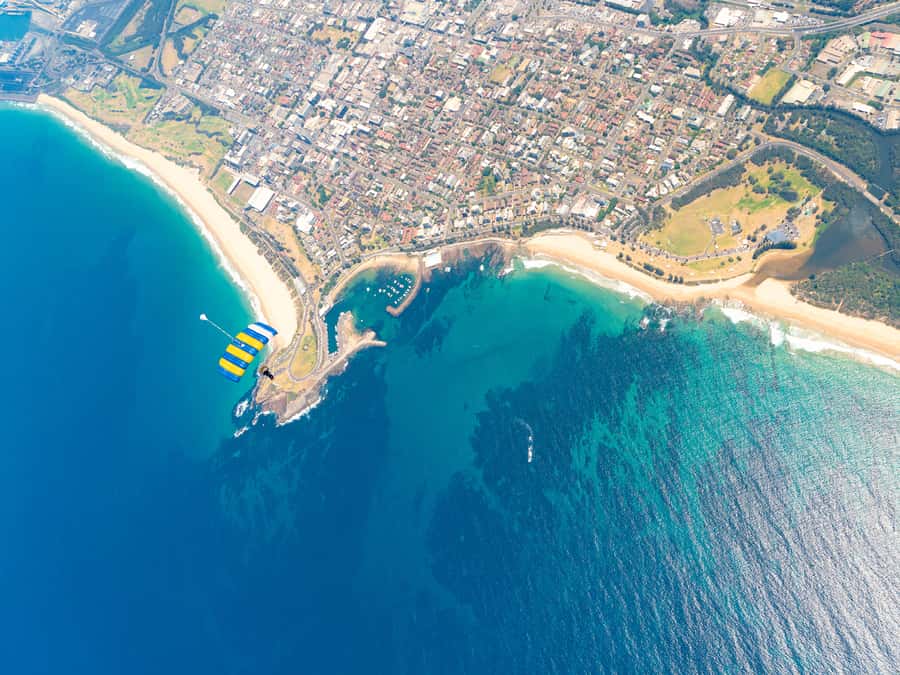
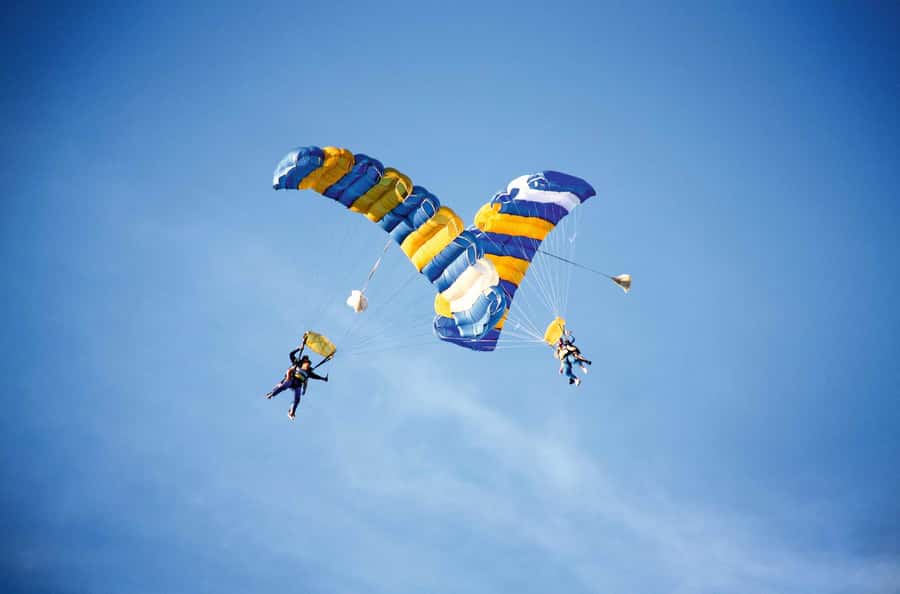
You’ll feel the world tilt. A tandem parachute jump over Wollongong puts you up to 15,000 feet, then drops you into a short rush of freefall before you finish with a beachside touchdown. It’s the kind of Sydney-area activity where the scenery does half the work, especially with route options over Lake Macquarie and views out toward Newcastle and the coast.
I especially love two things: the beach landing on sand (it feels movie-visual, but it’s real), and the chance to see coastline geometry from above—Hunter River lines, Newcastle edges, and shoreline curves you can’t really appreciate from the ground. The team’s focus on safety and calm coaching also comes through clearly, with instructors like Andy and Mitch repeatedly described as steady, supportive, and focused on getting you through each step right.
One consideration: your day can involve waiting. You’ll spend some time at the drop zone after you land (and return-bus timing isn’t always tight), so build in patience—then reward yourself with that nearby café time and ocean-walk vibe.
In This Review
- Key things to know before you go
- Why this jump feels made for first-timers
- The view: Lake Macquarie, Newcastle, Hunter River, and the coast
- Up to 15,000 feet: how the timing usually feels
- Getting there from Sydney: transfers that keep the day sane
- The small-group setup (10 people) and what it changes
- Instructors and the confidence factor you should look for
- The beach landing: why it’s more memorable than you expect
- What to wear and bring (and what to skip)
- Who should not book (based on the rules)
- Weather reality: part of planning in NSW
- Photo and video packages: how to decide
- Value check: is $282 good value?
- Who this is perfect for (and who it isn’t)
- Should you book this tandem parachute jump over the NSW coast?
- FAQ
- How high is the jump?
- How long is the freefall?
- Where does the jump happen?
- Do I get a beach landing?
- Is transport from Sydney included?
- What’s the group size?
- What language are the instructions in?
- What’s the minimum age requirement?
- What should I wear and bring?
- Are photo and video packages included?
Key things to know before you go
- Freefall up to 60 seconds plus a finish with a beachside landing
- Up to 15,000 feet for sky-to-coast views that feel far bigger than expected
- Route includes Lake Macquarie with outlooks over Newcastle and the Hunter River
- Sydney CBD transfers included (you avoid the “how do we get there” headache)
- Small group feel, limited to 10 participants
- Built for spectators too, so the operation has a practiced rhythm for watching friends land
Why this jump feels made for first-timers
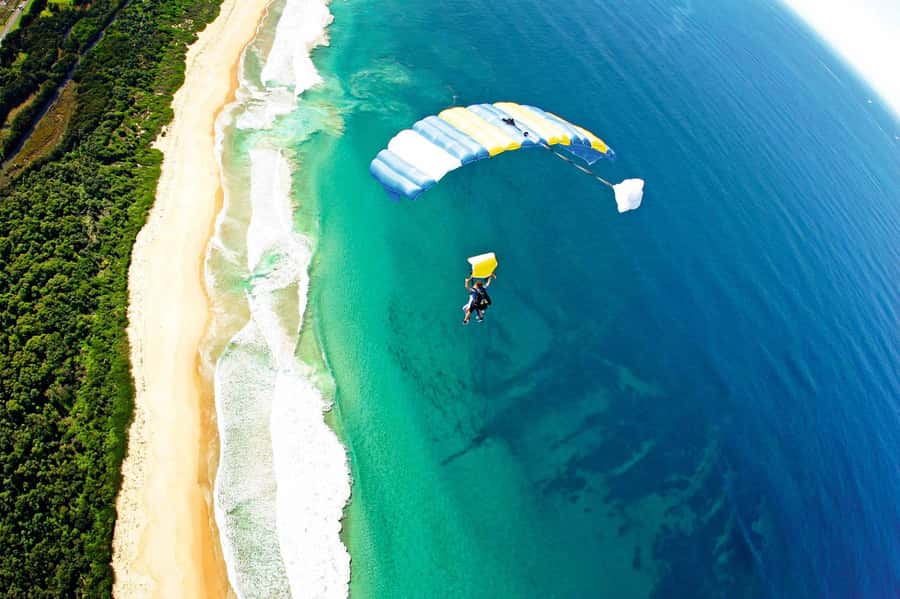
This is one of those experiences where the location does a lot of the storytelling. You’re not just looking at generic sky—you’re looking at NSW coastline, the shapes of the headlands, and the way water changes color and texture as you get closer to shore.
I like that the jump is framed as an experience you can actually complete without drama. There’s a safety briefing first, then you’re guided step-by-step into harness fit, the aircraft routine, and the exit. You’ll hear the same theme across instructors who get mentioned often—people like Andy and Jason are described as calm, friendly, and organized, which matters when your brain is doing that normal first-timer thing where it asks questions faster than your mouth can answer.
And then there’s the landing: touching down on sand tends to make the whole event feel grounded. It’s a tactile finish after all that sky. Even if you’re the type who thinks you’ll hate heights, a beach landing helps your body understand you’re returning to earth.
Weighing this one up? Here is how it sits against a few Sydney favourites:
- Sydney: Opera House Guided Tour with Entrance Ticket
★ 4.8 · 8,312 reviews - All Inclusive Blue Mountain,Scenic World,Lunch,Koalas,ferry
★ 5.0 · 7,832 reviews - From Sydney: Blue Mountains Full-Day Trip
★ 4.5 · 4,471 reviews - Sydney Opera House Official Guided Walking Tour
★ 4.5 · 3,770 reviews
The view: Lake Macquarie, Newcastle, Hunter River, and the coast
The “over Wollongong” part is the headline, but the best thing for photographers (and map nerds) is that you’re likely to get a route that also takes you over Lake Macquarie. That means you get more than ocean-you’re-in-the-clouds visuals. You’re seeing water bodies with edges, inlets, and river connections—plus coastline that stretches enough to feel cinematic.
You also get outlooks that include Newcastle and the Hunter River. From above, rivers look like lines that stitch the land together, and that’s exactly the sort of detail that makes this more memorable than a plain “jump and scream” day.
What I’d tell you to do in the air: don’t stare at one tiny thing. Instead, sweep your eyes slowly—track the shoreline first, then find where the river or lake shape contrasts with the rest of the coastline. That simple habit helps you actually process what you’re seeing while you’re busy having your adrenaline moment.
Up to 15,000 feet: how the timing usually feels
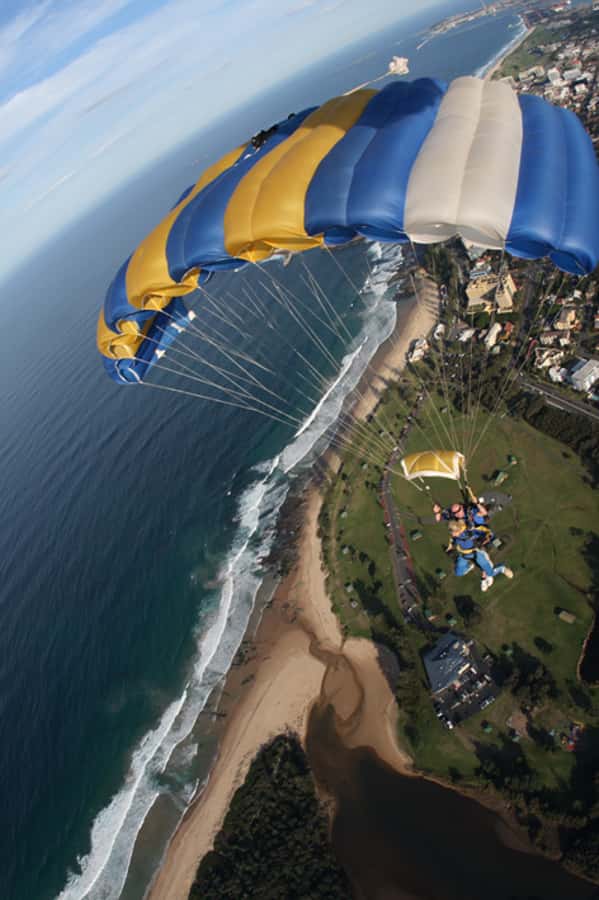
The big specs are clear: you go up to 15,000 feet, with freefall for up to 60 seconds, then you slow down and ride the parachute for the rest.
Here’s what that sequence means for you, practically:
- Height first: you’ll have a few minutes to get your bearings during the climb and once you’re at the door. If you’re anxious, this is where your instructor’s calm coaching really earns its keep.
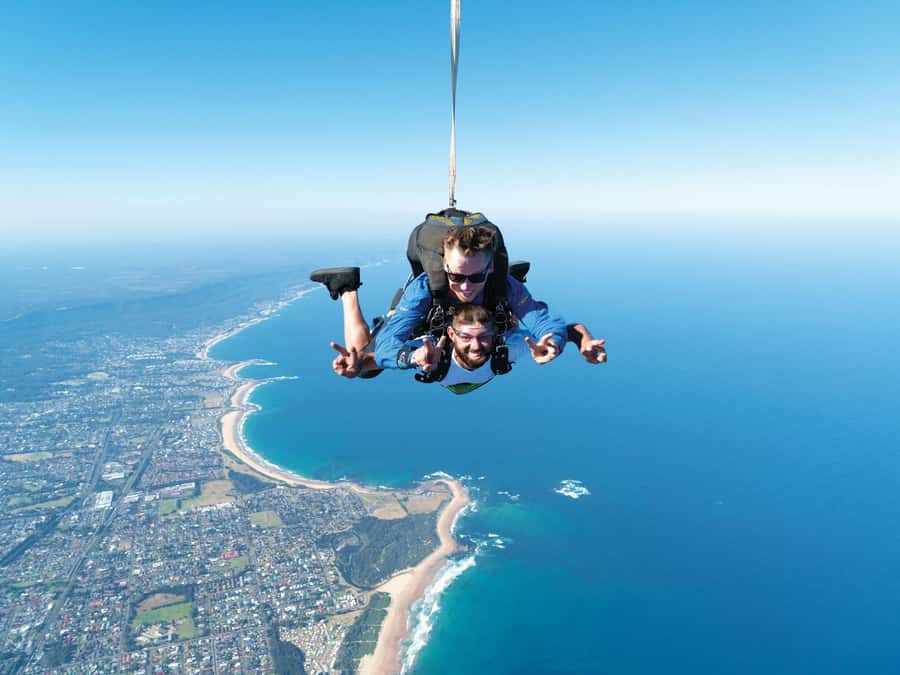
- Freefall chunk: the freefall is short—up to 60 seconds—but it’s intense. The important thing is you’re not making decisions. Your job is to follow cues and stay present.
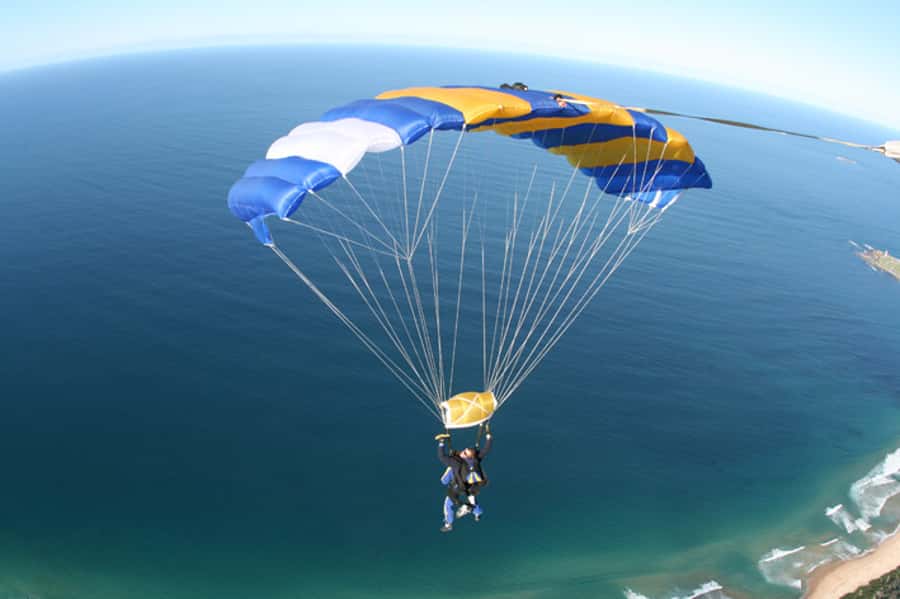
- Parachute phase: this is when you can actually look around. That’s when the coastline view turns into something you can enjoy rather than something you’re enduring.
If you’re a nervous flyer, consider this a win: the freefall is brief. If you’re an adrenaline seeker, consider it a win too: you still get a real drop moment, not a “slow drift and photos” situation.
Getting there from Sydney: transfers that keep the day sane
One of the best value touches is complimentary transfers from Sydney CBD. That matters because sky-related activities punish you for bad timing. You don’t want to be stressed about parking, trains, or finding the meeting point when weather can affect schedules.
The operation is about 20 minutes south of Newcastle CBD and roughly 1.45 hours from Sydney CBD. So yes, it’s a day trip. But because transport is handled, you can treat it like an outing instead of a logistics project.
In the real world, the bus ride can also be a mini warm-up. People mention friendly drivers like Pete and Mario, with commentary on the area and a relaxed chat during breaks. That kind of human touch helps take the edge off.
Pro tip for you: eat something before you go, then stay light. You’re not in a high-performance gym workout, but you will feel better if your stomach isn’t empty or too heavy.
The small-group setup (10 people) and what it changes
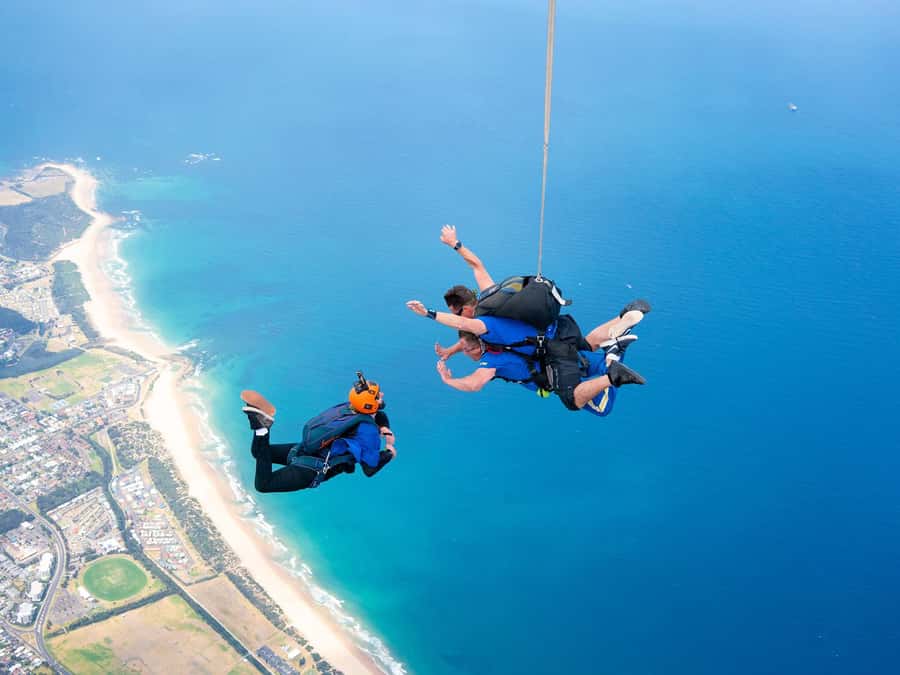
This isn’t a giant cattle-call. The experience is limited to 10 participants, which usually means the staff can move you along without making you feel lost in the crowd.
For you, that can translate into:
- easier time with the safety briefing (less waiting for the next person to finish)
- more personal attention when you’re fitted and double-checked
- a calmer vibe when everyone is gearing up in parallel
Many people also emphasize that the staff are focused on safety and comfort. If you’re worried you’ll be rushed, a smaller group helps. You’ll still be excited and maybe a little shaky, but the process is more controlled.

Instructors and the confidence factor you should look for
The best sign of a good tandem jump partner is not how loud they are—it’s how calm they stay when you’re nervous.
Names that come up again and again include Andy, Mitch, Callum, Danny, Jason, Ken, and Riss. People describe them as:
- experienced and steady
- friendly with a sense of humor
- focused on instructions, timing, and comfort
Here’s how you can use that info without guessing. When you meet your instructor, watch for these cues:
- clear, short explanations
- confidence when they talk about what will happen next
- a calm attitude during harness checks and door prep
If you feel any intimidation vibe at all, pause and ask questions. It’s your body on the line and your comfort matters.
The beach landing: why it’s more memorable than you expect
Most people expect a thrilling moment at exit, but the landing often becomes the “wait, that’s real” moment.
This experience ends with a beach landing, meaning your parachute ride concludes with a touchdown on sand. That detail matters because it changes the emotional tone. After the sky moment, you’re back in a normal place—ground, breeze, and the visual cue of the shoreline.
It also makes the ending feel complete for non-adrenaline people. Even if you came out of curiosity, that final step gives your brain closure.
If you’re a photographer, aim to keep one hand free for key instructions (your instructor will guide you). For everything else, the team typically handles the visual part with optional photo and video packages (sold separately at the drop zone).
What to wear and bring (and what to skip)
You don’t need fancy gear. You do need sensible clothes and shoes.
Bring:
- comfortable shoes
- comfortable clothes
Don’t wear:
- jeans
- high-heeled shoes
That restriction is practical. Loose or stiff clothing can interfere with harness comfort and movement. Shoes with good grip help you feel stable for any pre-flight walking and for landing.
If you tend to get cold, bring layers you can wear comfortably. But you also want to avoid anything bulky that might snag. The team will tell you what fits the harness and what doesn’t.
Who should not book (based on the rules)
This experience has clear limits, and I respect those limits. They’re not there to be annoying—they exist to keep you safe.
It’s not suitable for:
- children under 16
- pregnant women
- people with heart problems
- people with epilepsy
There’s also a weight limit and surcharge structure:
- customers 94 kg and over may face a weight surcharge
- it’s not suitable for people over 110 kg (243 lbs)
Age note: if you’re under 18, a guardian must be present on the day.
If any of these apply to you, don’t “hope for the best.” Check eligibility early so you don’t lose time or planning momentum.
Weather reality: part of planning in NSW
Parachute activities depend on conditions. The activity description includes risk warnings tied to weather and health factors.
Translation for you: don’t plan your whole day around a strict departure-to-everything timeline. You might have some waiting. If the weather is not ideal, schedules can shift.
The good news is the operation has a practiced setup for spectators and small groups. Still, keep your mindset flexible. If you go in expecting a smooth, military-precise experience every minute, you may get grumpy. If you go in expecting a “we’ll do it when it’s safe” approach, you’ll probably enjoy the day more.
Photo and video packages: how to decide
Photo/video are not included. They’re available to buy at the drop zone.
Are they worth it? That depends on what you care about:
- If you want proof and a shareable memory, it can be tempting because freefall is brief and your brain might not capture details in real time.
- If you’re trying to keep the budget tight, remember the base price already covers instructors, briefing, insurance, and the jump itself.
One practical tip from people who mentioned add-ons: the packages can feel pricey. So I’d treat this like a choice you make on the day, not a decision you lock in months earlier. Once you’re calm and you see how your instructor works, you’ll know whether you want the extra documentation.
Value check: is $282 good value?
At $282 per person, this isn’t a cheap impulse buy. But it also isn’t just a “seat on a plane” situation.
You’re paying for:
- highly qualified instructors and safety briefing
- a personalized certificate
- a 3-month membership of the Australian Parachute Federation
- compulsory personal accident insurance through that federation
- optional return transfers (and in your case, Sydney CBD transfers are complimentary depending on the option)
When I look at the total package like that, the price starts to make sense. The cost isn’t only the aircraft minutes. It’s the safety systems, training, and insurance framework that make the whole thing possible.
If you also factor in the scenic value—Lake Macquarie, Newcastle, Hunter River, coastline, plus a beach landing—it’s closer to a premium “experience per hour” than a random thrill-ticket.
Who this is perfect for (and who it isn’t)
You’ll likely love this if:
- you want a bucket-list style activity in the Sydney area without complicated planning
- you care about views, not only adrenaline
- you’re comfortable following clear instructions and letting your instructor take charge
- you want a small-group feel and included transfers
You might think twice if:
- you hate waiting around after your jump
- you need very tight timing for the rest of your day
- you’re not eligible due to age, health, or weight limits
And if you’re going as a couple or with friends, you’ll probably appreciate the atmosphere. People bring birthdays, milestones, and honeymoon plans—because this is one of those rare activities that still feels special even after the excitement settles.
Should you book this tandem parachute jump over the NSW coast?
If your goal is a high-impact, high-scenery adventure with a professional safety setup and the convenience of Sydney CBD transfers, I think this is an easy yes.
Book it if:
- you’re eligible and can meet the clothing/shoe rules
- you want up to 15,000 feet and freefall up to 60 seconds
- you like the idea of finishing with a beach landing on sand
Consider skipping or postponing if:
- weather on your dates makes you nervous about delays
- you can’t be flexible with waiting time at the drop zone
- your health or weight falls outside the listed limits
If you’re on the fence, here’s my simplest advice: treat it as a guided, structured experience first, and an adrenaline moment second. Do that, and you’ll spend less time fighting your nerves—and more time enjoying the coastline from a place most people never reach.
FAQ
How high is the jump?
The tandem parachute jump can go up to 15,000 feet.
How long is the freefall?
Freefall is up to 60 seconds.
Where does the jump happen?
It’s over the Wollongong area in New South Wales, with mention of an exclusive jump over Lake Macquarie and views including Newcastle, the Hunter River, and the coastline.
Do I get a beach landing?
Yes, the experience includes a beachside landing.
Is transport from Sydney included?
Complimentary transfers from Sydney CBD are offered with the experience option, and optional return transfers may be available.
What’s the group size?
The group is small, limited to 10 participants.
What language are the instructions in?
The instructor provides instruction in English.
What’s the minimum age requirement?
The minimum age is 16 years. If you’re under 18, a guardian must be present on the day.
What should I wear and bring?
Bring comfortable shoes and comfortable clothes. Jeans and high-heeled shoes aren’t allowed.
Are photo and video packages included?
No. Photo and video packages are available to purchase directly at the drop zone.
More Tour Reviews in Sydney
- Blue Mountains Small-Group Tour from Sydney with Scenic World,Sydney Zoo & Ferry
★ 5.0 · 3,709 reviews