Reviewed · SYDNEY
Flying Fox Experience, Thousands of Australia’s Largest Bat
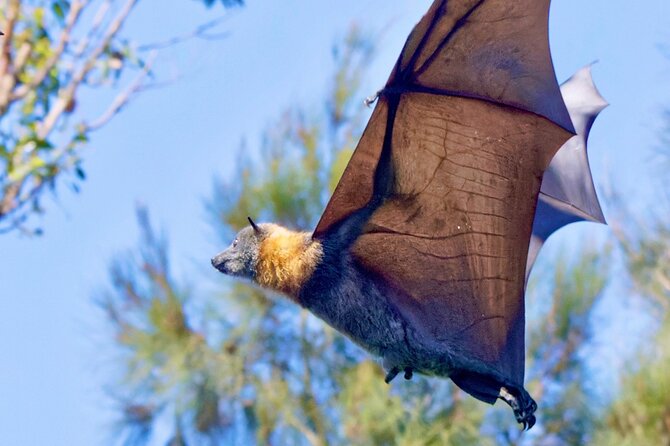
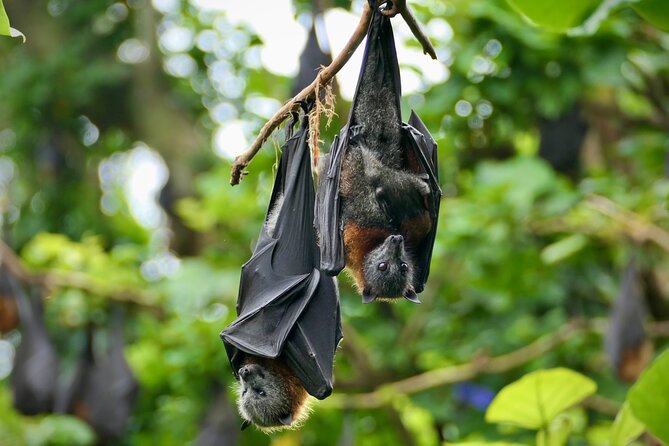
Bat watching in Sydney, but make it wild. This small-group outing puts you at eye level with one of Australia’s biggest fruit bat colonies, so you’re not stuck staring at distant nature-on-a-screen. You’ll learn why these endangered flying foxes matter, then use provided optics to capture wingspan detail without fiddling.
I also love the practical photo setup: high-zoom cameras (plus extra gear like binoculars in the experience) mean you can get crisp shots, not just blurry phone snapshots. And because the group caps at 14, the guide can steer you where the action is and answer questions as they come up.
One consideration: the experience runs only when conditions allow, since it requires good weather. If it’s not suitable, they’ll offer a different date or a full refund.
In This Review
- Key Things That Make This Flying Fox Tour Worth It
- Flying Foxes at Eye Level: What Makes This Sydney Experience Work
- Meeting at Thomas Sutcliffe Mort and Getting Out of the City
- The 2.5-Hour Bat Encounter: What to Expect Once You Arrive
- Cameras, Binoculars, and the Photo Help That Actually Makes a Difference
- Why Flying Foxes Are Endangered, and Why the Colony Matters
- Bonus Wildlife Moments: Birds That Sometimes Steal the Spotlights
- Price and Value: Is $57.38 a Smart Spend in Sydney?
- Who Should Book This Flying Fox Tour (and Who Might Want to Skip)
- Should You Book This Flying Fox Experience?
- FAQ
- Where does the Flying Fox Experience start?
- What time does the tour begin?
- How long is the experience?
- How much does the tour cost?
- How big is the group?
- Is there a mobile ticket?
- What animals will you see?
- Are cameras provided?
- What if the weather is bad?
- Can I cancel and get a refund?
Key Things That Make This Flying Fox Tour Worth It
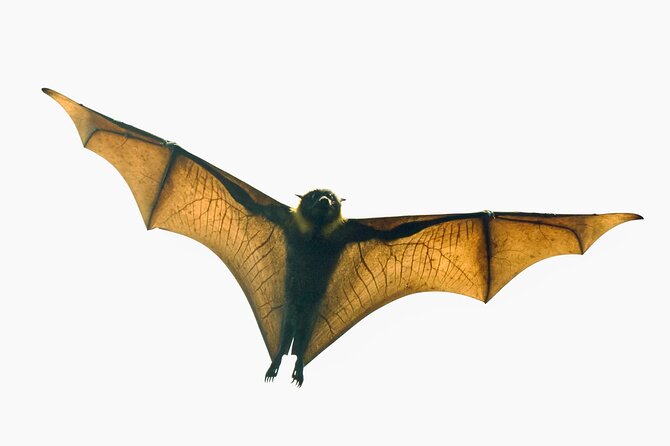
- A 3-foot / 1-meter wingspan in the wild: you’re watching true scale, not cartoon bats.
- Small group feel (max 14): more attention, less waiting around for the next photo spot.
- Provided high-zoom cameras: you get better results than you’ll get on your own.
- Endangered flying fox focus: you’ll get the story behind the species, not just the show.
- Bonus wildlife chances: native birds can show up during the outing.
- Short, easy time block: about 2 hours 30 minutes, yet it feels like a full-on wildlife morning.
Flying Foxes at Eye Level: What Makes This Sydney Experience Work
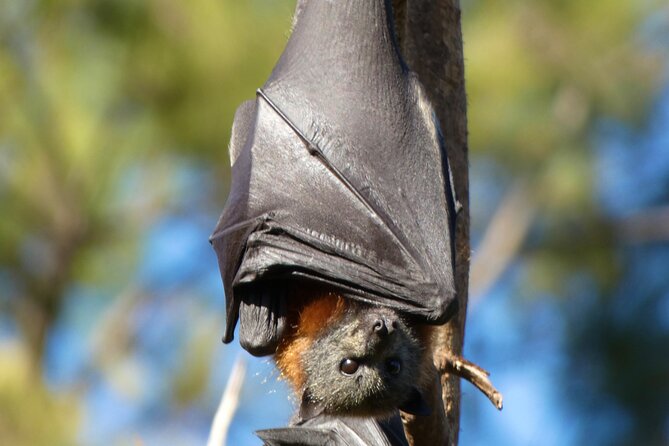
Sydney usually means harbors, ferries, and photos with landmarks in the background. This is different. You’re trading city views for a living colony of flying foxes—endemic fruit bats—right where they actually hang out. The big hook is simple: you get to see the bats up close, including that dramatic, 3-foot (1-meter) wingspan scale.
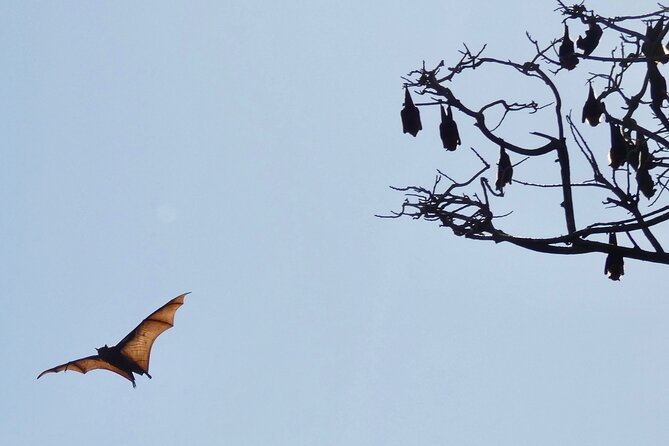
And the best part is the pacing. This isn’t a rushed bus-and-point routine. The group stays small, and you’re guided to where the bats are active, so you spend your time watching rather than chasing. When the colony moves—climbing, flapping, and doing their daytime routines—you’ll feel like you’re getting a real glimpse into how they live.
I also like that the experience is built around understanding, not only spectacle. You’ll hear why these are endangered and why they matter—plus some extra facts that help you make sense of what you’re seeing in front of you.
The overall vibe is relaxed but focused. You’re there for an animal encounter, not a sales pitch.
Weighing this one up? Here is how it sits against a few Sydney favourites:
- Sydney: Opera House Guided Tour with Entrance Ticket
★ 4.8 · 8,312 reviews - All Inclusive Blue Mountain,Scenic World,Lunch,Koalas,ferry
★ 5.0 · 7,832 reviews - From Sydney: Blue Mountains Full-Day Trip
★ 4.5 · 4,471 reviews - Sydney Opera House Official Guided Walking Tour
★ 4.5 · 3,770 reviews
Meeting at Thomas Sutcliffe Mort and Getting Out of the City
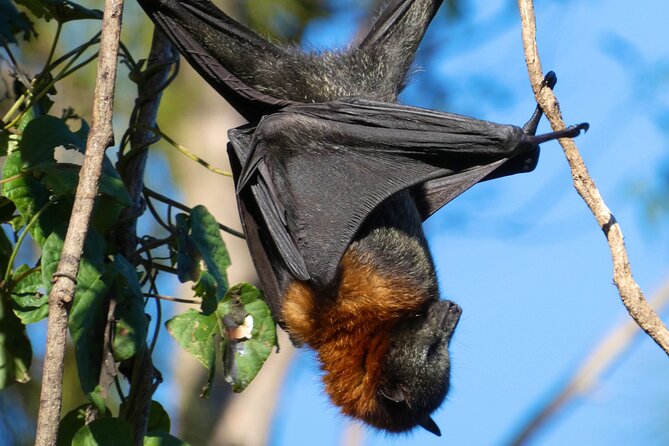
Your start point is in central Sydney: Thomas Sutcliffe Mort, 36 Bridge Street. The meeting is set for 10:00 am, and the tour ends back at the same meeting place.
From there, you drive to a Sydney reserve where the colony resides. That short transfer matters more than you’d think. In a city, it’s easy to waste time trying to line up the right spot and the right viewing angle. Here, the guide does the route and the timing, so you’re in position when the bats put on the show.
If you like a morning plan that doesn’t swallow your entire day, this fits nicely. It’s about 2 hours 30 minutes total, and the whole thing is designed as a focused wildlife block rather than a half-day sprawl.
The 2.5-Hour Bat Encounter: What to Expect Once You Arrive
Once you reach the reserve, you’ll get the core orientation first. The guide explains the endemic fruit bat (the Australian flying fox) and the basics of why they’re endangered. Then the watching begins.
A key detail: you’ll get a true eye-level encounter. That doesn’t mean you’re stepping into a cave or hand-feeding wildlife. It means the colony is close enough that you’re watching birds-as-animals, not bats-as-dots. When they flap and shift positions, you can actually track movement and behavior instead of just hoping they’ll do something photogenic.
This is also where the small-group size helps. With fewer people, it’s easier to adjust your position when the guide calls out what’s happening—like a particular section of the colony becoming active or bats stretching wings for a better angle.
During the time on site, you’re given structured photo time as well. You’ll use provided equipment to zoom in on details and capture the bats without standing back where details get soft.
One note from how the experience is described in practice: the bats can be surprisingly active during the middle of the day. So if you’re thinking, Won’t daytime be too quiet?—you should know the group is set up for real viewing, not a gloomy waiting game.
Cameras, Binoculars, and the Photo Help That Actually Makes a Difference
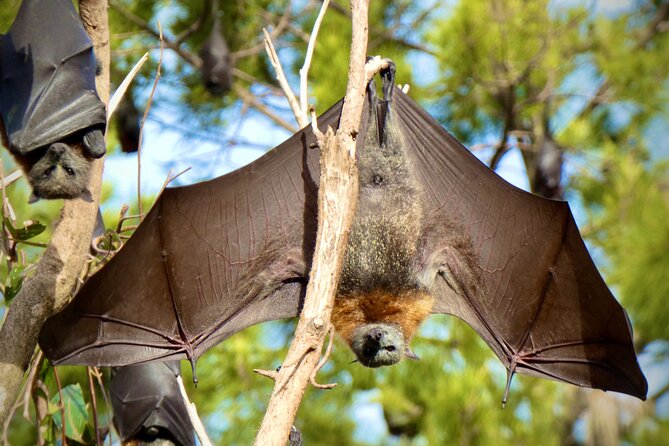
This tour takes photography seriously, and it shows in the gear.
You’ll be provided high-zoom cameras, which is a big deal if you’ve ever tried to photograph wildlife with a phone. Zoom changes everything: you get cleaner framing, more detail, and less frustration.
On top of that, the experience commonly includes binoculars for spotting and tracking movement before you commit to the camera shot. Some guides also bring their own professional-style cameras for more options and better results.
Then comes the part I really think about as a value-add: photo sharing support. In multiple accounts, the guide helps you download the photos at the end of the tour (including telephoto-style shots). That’s a quiet but powerful upgrade, because wildlife photography often punishes you with motion blur and missed focus.
If you care more about walking away with solid images than learning every setting on your own camera, this is one of the easiest ways to get strong results.
Also, the provided gear frees you from fiddling. You can keep your eyes on the colony and still come away with detailed shots.
Why Flying Foxes Are Endangered, and Why the Colony Matters
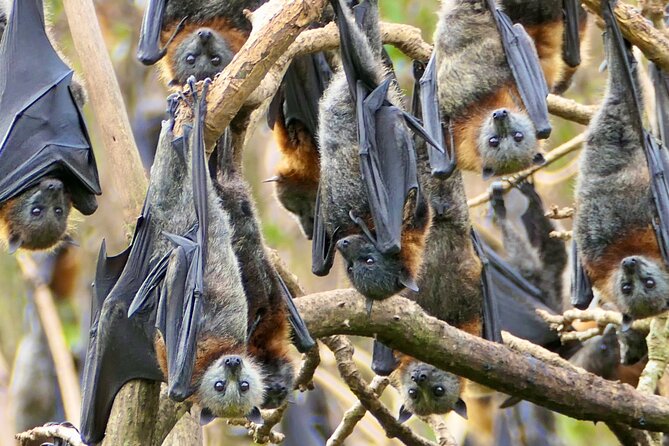
The bats you’ll see here aren’t just cute. They’re endangered, and the guide will cover their importance and the reasons they’re under pressure. The goal isn’t to overwhelm you with science jargon. It’s to give you enough context so your watching makes sense.
Here’s how I think about it: wildlife encounters feel better when you know what you’re looking at. When you understand that these are an endemic fruit bat species and that their conservation status is serious, you pay closer attention to behavior. Even small actions—movement between branches, wing stretching, group activity—register as part of a bigger story.
And because you’re watching a large colony, you see that it’s not one bat doing one thing. It’s a community rhythm. That’s a huge difference from seeing a single animal somewhere distant.
So yes, it’s fun. But it’s also one of those experiences where you leave with a changed perspective on a species people often ignore.
Bonus Wildlife Moments: Birds That Sometimes Steal the Spotlights
A cool extra: this area can produce more than bats.
In the guide’s notes and follow-up responses, it’s mentioned that you may spot other native birds during the outing—like White Ibis with young in the nest and brush turkeys. Those sightings aren’t guaranteed in the information provided, but they’re a real possibility, which makes the reserve feel more alive than just a one-species viewing.
This also makes the timing on a short tour more rewarding. Instead of thinking, I hope the bats do something, you get an active nature setting where other birds might pop into your sightline.
Price and Value: Is $57.38 a Smart Spend in Sydney?
At $57.38 per person, the price is in the range where you want to ask: what am I actually getting?
Here’s the honest breakdown. You’re paying for more than entry. You’re paying for:
- transportation from central Sydney to the reserve
- a guide who teaches as you watch
- a small group (max 14)
- provided high-zoom cameras
- the chance at close, real wildlife viewing in numbers
If you tried to DIY this, you’d likely spend time figuring out where to go, when to arrive, and how to get close enough for meaningful photos. Even if you found the right spot, you’d still be limited by your own equipment.
The provided photo support pushes the value further. If you’re serious about getting decent shots without bringing a big camera setup, this tour solves that problem.
So I don’t see it as overpriced. I see it as a good spend if your priority is a high-quality wildlife encounter with support built in.
Who Should Book This Flying Fox Tour (and Who Might Want to Skip)
This tour is a great fit if you:
- want a short Sydney outing that feels like a real wildlife mission
- love nature photography but don’t want to fight with gear
- prefer small-group experiences where the guide can help with viewing and questions
- like learning alongside watching (not only watching)
You might consider skipping if you:
- hate weather-dependent plans (the tour requires good weather)
- want a long, multi-stop sightseeing day with lots of varied stops
- only want landmark sightseeing and don’t care about wildlife-focused time
One more practical note: because it starts at 10:00 am, plan your day around that morning slot. If you’re the type who likes to wander Sydney late into the night, this might feel a bit early.
Should You Book This Flying Fox Experience?
I’d book it if your ideal Sydney day includes something you can’t easily recreate on your own: a large colony of flying foxes with close viewing and strong photo help. The combination of a small group, provided high-zoom cameras, and an end-of-tour photo download/photos sharing support makes it feel more complete than a basic wildlife walk.
It’s also a good value way to see an endangered endemic species up close without turning it into a science field trip. You get facts, you get context, and you get the kind of moment that sticks: watching bats move at a scale that’s hard to believe until you see it.
Just keep in mind the weather requirement. If the forecast looks rough, don’t treat this like a guaranteed sure-thing. When the conditions cooperate, though, this is one of the more memorable wildlife experiences Sydney offers.
FAQ
Where does the Flying Fox Experience start?
It starts at Thomas Sutcliffe Mort, 36 Bridge St, Sydney NSW 2000, and it ends back at the meeting point.
What time does the tour begin?
The start time is 10:00 am.
How long is the experience?
It lasts about 2 hours 30 minutes.
How much does the tour cost?
The price is $57.38 per person.
How big is the group?
The tour has a maximum of 14 travelers.
Is there a mobile ticket?
Yes, the tour uses a mobile ticket.
What animals will you see?
You’ll see Australia’s largest bat colony—endemic fruit bats, also known as flying foxes—with wingspans around 1 meter (about 3 feet).
Are cameras provided?
Yes. High-zoom cameras are provided for photos.
What if the weather is bad?
The experience requires good weather. If it’s canceled due to poor weather, you’ll be offered a different date or a full refund.
Can I cancel and get a refund?
Yes. You can cancel up to 24 hours in advance for a full refund. If you cancel less than 24 hours before, it’s not refundable.
More Tour Reviews in Sydney
- Blue Mountains Small-Group Tour from Sydney with Scenic World,Sydney Zoo & Ferry
★ 5.0 · 3,709 reviews